ChatGPT Starts Showing Ads in Pakistan
OpenAI has introduced advertisements in ChatGPT for users in Pakistan, allowing businesses to display sponsored content based on what people discuss with the AI chatbot.
The company announced the expansion on October 21, 2026, making Pakistan one of 26 additional countries where ChatGPT advertising is available. The service now supports advertisements in 89 countries worldwide.
However, ads will only appear for users on ChatGPT's Free and Go plans. Paid subscribers on Plus, Pro, Business, Enterprise, and Edu plans will continue using the service without advertisements.
The rollout marks a major shift in how artificial intelligence platforms monetize free access tiers. Users engaging with the chatbot for everyday tasks, homework help, or casual inquiries will now encounter sponsored placements embedded within their workflow.
OpenAI states that the inclusion of commercial messaging allows the organization to sustain affordable and free access tiers globally. By opening the platform to advertisers, the company aims to offset the immense computational costs required to run advanced language models for millions of non-paying users.
This monetization strategy mirrors traditional search engines and social media networks, which rely on targeted marketing to fund consumer-facing tools. Yet, integrating commerce into an interactive conversational agent introduces unique dynamics regarding user attention and data handling.
How ChatGPT Chooses Which Ads to Show You
Unlike traditional advertisements that rely mainly on browsing activity, ChatGPT can use the context of your current conversation to select relevant ads.
For example, someone discussing smartphones may see advertisements related to mobile devices, while a conversation about travel could lead to sponsored travel services.
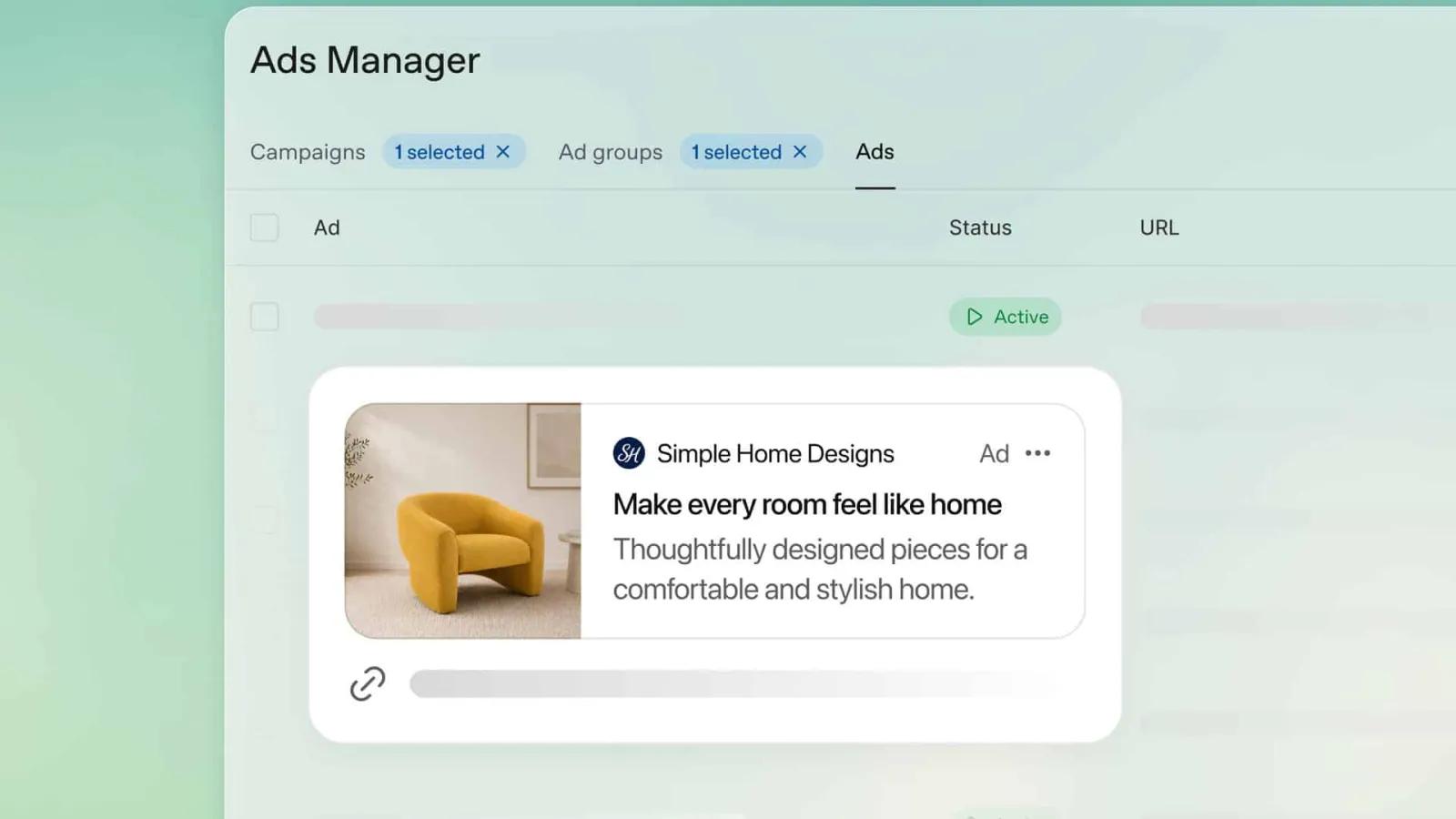
These advertisements appear separately below ChatGPT's responses rather than inside the AI-generated answers.
If ad personalization is enabled, ChatGPT may also consider information from previous conversations and how users interact with advertisements.
Users who have enabled ChatGPT Memory may have relevant memories and recent conversations considered when the platform selects ads.
This means information previously used to personalize ChatGPT responses can also influence advertising.
However, OpenAI says advertisements do not affect the answers generated by ChatGPT.
The system evaluates the real-time dialogue to determine intent, matching commercial partners with users at the exact moment a topic arises. This contextual awareness represents a departure from static banner ads found on standard web pages.
Developers designed the interface to clearly separate sponsored blocks from the actual text generated by the neural network. This visual boundary ensures readers can distinguish between synthesized information and paid promotional material.
Can Advertisers Read Your ChatGPT Conversations?
OpenAI says advertisers cannot access users' conversations, chat history, memories, or personal information.
The company also says it does not sell user data to advertisers.
Instead, advertisers receive combined performance statistics, such as how many people viewed or clicked their advertisements.
ChatGPT uses relevant information internally to select advertisements without sharing the underlying conversations with advertisers.
However, if a user directly messages an advertiser through an advertisement, that advertiser can see the messages the user chooses to send.
Data privacy remains a primary concern for individuals interacting with artificial intelligence systems. Users share intimate details, professional queries, and personal dilemmas with chatbots, making security paramount.
By keeping raw logs away from third parties, the platform intends to maintain confidentiality while still offering targeted reach to brands. Advertisers only view aggregated metrics that measure campaign effectiveness rather than individual user profiles.
How to Turn Off Personalized Ads in ChatGPT
Pakistani users who do not want their previous conversations or memories used for advertising can disable ad personalization.
To change the setting:
- Open ChatGPT and sign in to your account.
- Go to Settings.
- Select Ad Controls.
- Find the ad personalization option.
- Turn off personalized advertisements.
Disabling personalization prevents ChatGPT from using previous conversations, advertising history, and other personalization signals to select ads.
However, it does not remove advertisements entirely.
Users may still see ads selected according to the topic of their current conversation.
The same menu also allows users to clear data used for advertising.
Taking advantage of these controls empowers individuals to curate their digital environment. While commercial messages remain visible, stripping away behavioral tracking limits how deeply commercial algorithms can profile a user's habits.
How to Stop ChatGPT From Using Your Memories for Ads
ChatGPT Memory can remember useful information from previous conversations to provide more personalized responses.
When ad personalization is enabled, relevant memories may also influence which advertisements appear.
Users who do not want their memories used for this purpose can turn off ad personalization without disabling Memory itself.
Alternatively, they can open Settings > Personalization and turn off Memory if they do not want ChatGPT to use remembered information more broadly.
However, disabling Memory can also reduce personalization in regular ChatGPT responses.
Managing memory retention helps balance the convenience of a tailored assistant against privacy preferences. Users must weigh whether the utility of stored facts outweighs the potential influence those memories exert on commercial targeting.
Use Temporary Chat to Avoid Advertisements
Another option is ChatGPT's Temporary Chat feature.
OpenAI says advertisements do not appear in Temporary Chats.
To use it, open a new conversation and select Temporary before entering your message.
Users can also select Unpersonalized to prevent the temporary conversation from using existing memories and other personalization information.
Temporary Chats do not create or update memories while they remain temporary and are not used to train OpenAI's models.
However, OpenAI may retain temporary conversations for a limited period for safety purposes.
This mode serves as a practical workaround for individuals seeking an uninterrupted session without commercial interruptions or lingering data footprints.
How to Hide or Report ChatGPT Ads
Users in Pakistan can also hide advertisements they do not want to see.
To do this, tap the three-dot menu on an advertisement and select Hide this ad.
Users can choose Not relevant to me where available or select Report this ad if they believe an advertisement is inappropriate or misleading.
The menu also provides information about why a particular advertisement was shown.
These controls allow users to provide feedback, although hiding one advertisement does not disable all future ads.
Active user moderation helps flag problematic content and refines the overall targeting mechanisms employed by the platform over time.
Which ChatGPT Users Will Not See Ads?
OpenAI says advertisements are restricted to eligible adult users on the Free and Go plans.
Accounts identified as belonging to people under 18 will not receive advertisements.
The company also prevents advertisements from appearing alongside sensitive conversations involving personal health, mental health, and political topics.
Meanwhile, Plus, Pro, Business, Enterprise, and Edu subscribers will not see advertisements.
OpenAI also offers an ad-free option for eligible Free users with reduced usage limits. Availability may vary by account and region.
For Pakistani users who want to continue using the standard Free or Go experience, advertisements will remain part of the service unless they switch to an available ad-free option.
The company says advertising is intended to support free and lower-cost access to ChatGPT while keeping sponsored content separate from its AI responses.
These exemptions protect vulnerable demographics, such as minors, from targeted marketing while safeguarding sensitive discussions from commercial exploitation. Premium subscribers bypass these interruptions entirely through their subscription fees.