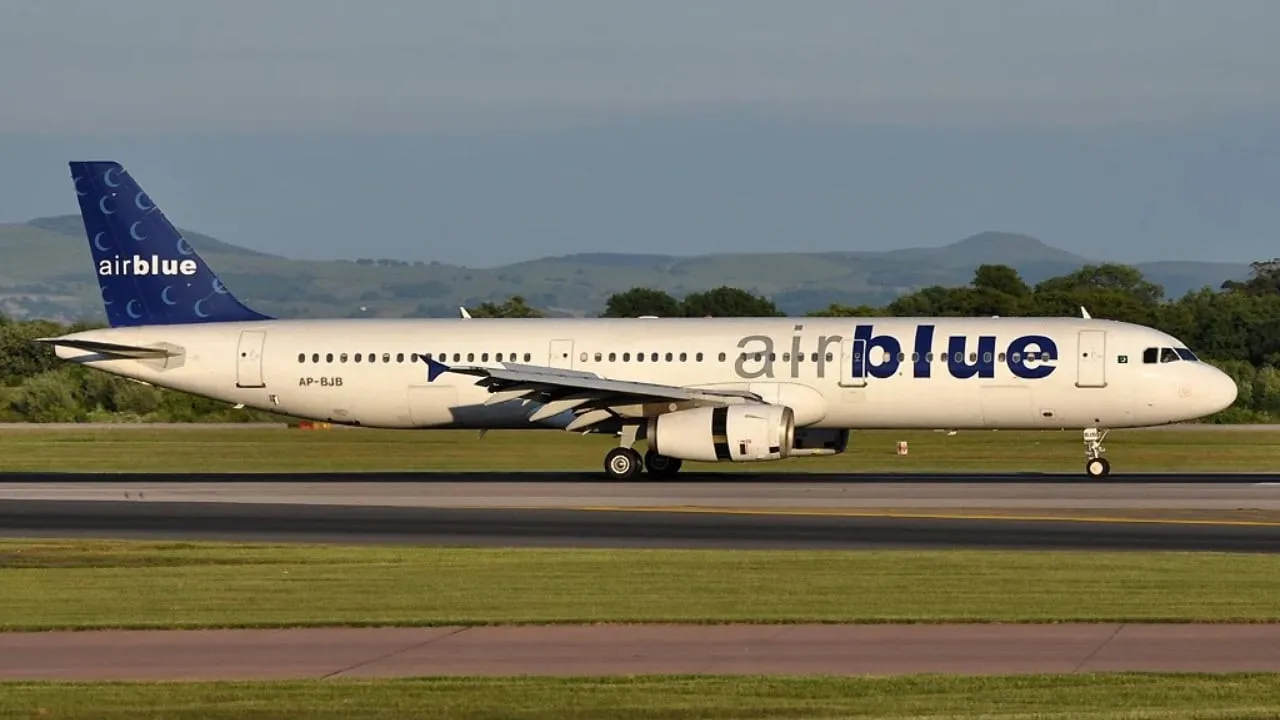
Pakistan's private airline Airblue announced an overnight layoff of more than 300 employees, sending shockwaves through the local aviation sector.
The decision, explained by senior management as a forced reassessment of operations, targets staff across the corporate hierarchy, from engineers to pilots and senior executives.
How Many Workers Were Let Go and Which Departments Were Affected?
According to the termination emails, 69 engineering staff members lost their jobs. The passenger handling and airside operations teams also face significant cuts, although exact numbers for those groups were not disclosed. Around 40 pilots were dismissed, and several director-level executives are among those let go.
What Procedure Was Followed for the Dismissals?
All affected employees received their termination notices via email. Management instructed them to return official service cards and airport entry passes directly to Human Resources on the same day. The HR department has been given strict instructions to settle all outstanding financial dues for the terminated personnel.
Why Did Airblue Decide to Reduce Its Workforce So Drastically?
The airline cited regional uncertainty as a major factor. In addition, broader challenges within the aviation industry, such as rising fuel costs, fluctuating passenger demand and tighter regulatory requirements, forced the carrier to restructure. Executives said the reassessment was necessary to keep the business viable under current market conditions.
What Is the Historical Context Behind This Move?
Airblue, founded in 2003, has grown to become one of Pakistan's leading private carriers, operating domestic routes and a limited number of international flights. Over the past decade the airline has expanded its fleet and route network, but it has also faced periodic financial pressure. In 2020, the COVID-19 pandemic forced a temporary grounding of many flights and a reduction in staff. The airline recovered gradually, but the post-pandemic environment remains volatile.
Regional political tensions, especially those affecting air traffic rights and airport access, have added to operational risk. At the same time, the global aviation sector is coping with a shortage of qualified pilots, higher maintenance costs and the need to invest in newer, more fuel-efficient aircraft. These trends have pressured airlines worldwide to tighten cost structures.
How Does This Layoff Compare With Similar Actions in the Industry?
Large-scale layoffs are not new in the airline industry. In 2021, a major South Asian carrier reduced its workforce by roughly 15 percent after pandemic losses. However, Airblue's overnight dismissal of over 300 staff is notable for its speed and the inclusion of senior pilots and directors, groups that are often protected in restructuring plans.
What Are the Immediate Implications for Airblue's Operations?
With 69 engineers removed, the airline may need to adjust its maintenance schedule or outsource certain tasks to third-party providers. The loss of about 40 pilots could affect flight crew availability, especially on high-frequency routes. The airline has not announced any schedule changes yet, but industry observers expect a temporary reduction in flight frequency until staffing levels stabilize.
What Are the Potential Long-Term Effects on Employees and the Market?
For the dismissed workers, the abrupt nature of the termination means limited time to seek alternative employment. Engineers and pilots with specialized certifications may face a competitive job market, although demand for qualified aviation professionals remains relatively high in the region.
For the broader market, the layoff may signal heightened caution among private airlines operating in Pakistan. Investors could view the move as a sign of financial strain, potentially affecting future capital raising efforts. Conversely, a leaner cost base might improve Airblue's profitability if demand stabilizes.
Regulators are likely to monitor the situation to ensure that safety standards are not compromised by reduced staffing levels. The Civil Aviation Authority of Pakistan may require the airline to demonstrate that remaining personnel can meet required maintenance and flight operation standards.
What Steps Should Affected Employees Take Next?
Employees are advised to follow the HR instructions to return service cards and airport passes promptly. They should also request written confirmation of the settlement amounts due, including any severance, accrued leave and statutory benefits. Consulting a labor lawyer or a union representative can help ensure that all legal rights are protected.
What Should Passengers Expect Going Forward?
While Airblue has not announced any immediate changes to flight schedules, passengers may notice minor adjustments in check-in times or boarding procedures as the airline reallocates remaining staff. Customers with upcoming bookings are encouraged to check the airline's official website or contact its call centre for the latest information.
What Is Likely to Happen Next at Airblue?
The airline has not disclosed a timeline for rehiring or further restructuring. Management will likely assess operational performance over the next few weeks and may issue additional updates if further staffing changes are required. Stakeholders should watch for official statements from Airblue's CEO or the board of directors.
In summary, Airblue's overnight layoff of more than 300 employees, including 69 engineers, about 40 pilots and several directors, reflects a rapid response to regional uncertainty and industry-wide challenges. The move carries immediate operational implications and raises questions about the airline's future staffing strategy.