Why Cheap Electricity Remains Impossible in Pakistan
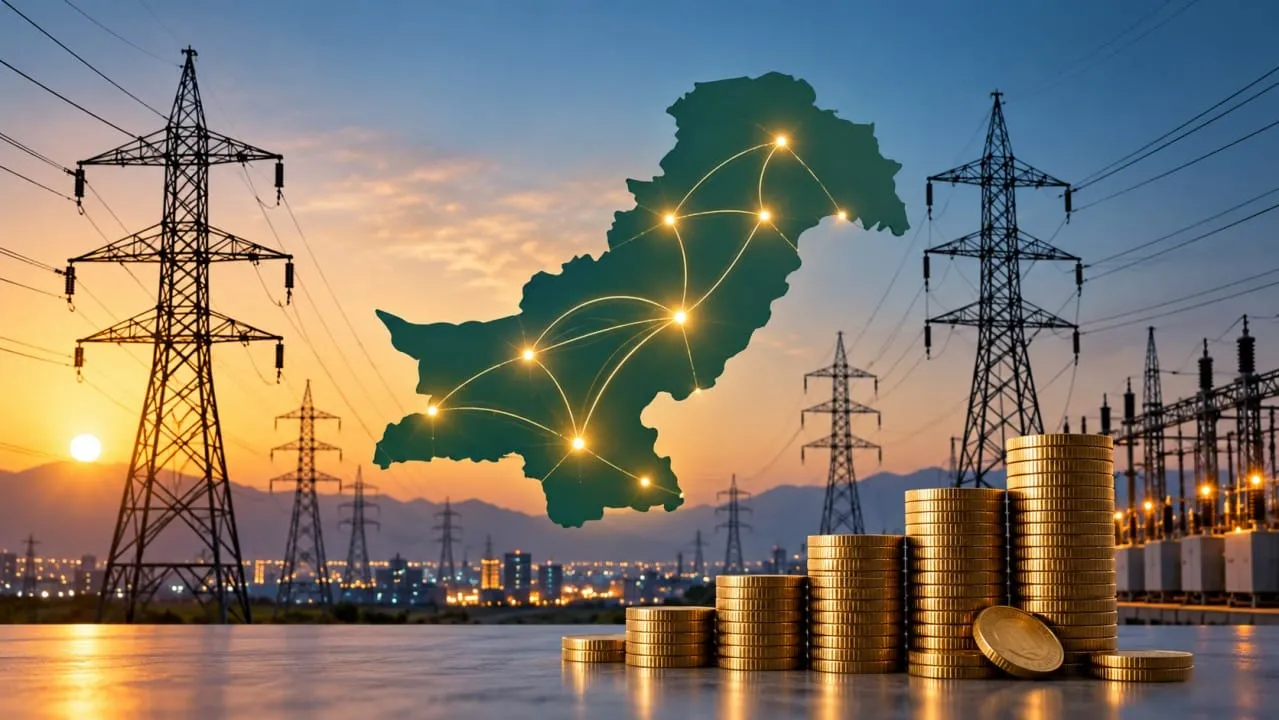
Electricity consumers across Pakistan are bearing billions of rupees in additional costs because the National Grid Company, formerly known as NTDC, has failed to transfer cheaper electricity from Sindh and southern Pakistan to major consumption centers in the north. Transmission hurdles force the power system to rely on more expensive regasified liquefied natural gas and imported coal generation, while cheaper electricity from Thar coal, nuclear and wind sources remains underutilized. The resulting inefficiencies are adding to the country already high electricity tariffs.
The burden falls directly on citizens and industrial users who must pay for power plants that sit idle or operate below capacity while expensive alternatives run instead. Experts and business representatives point out that building generation capacity is only half the battle. Without a working transmission network to move that power across provinces, consumers see no financial relief on their monthly utility bills.
Transmission Constraints Cost Consumers Rs. 400 Billion
The issue has drawn criticism from the Federation of Pakistan Chambers of Commerce and Industry, which has questioned the proposed CY2027 Power Purchase Price Reference and demanded accountability for transmission-related inefficiencies. In its response to the Central Power Purchasing Agency petition, the business body warned that consumers should not be forced to absorb the financial consequences of a transmission network that cannot deliver cheaper electricity despite available generation capacity.
The Federation of Pakistan Chambers of Commerce and Industry also raised concerns about the proposed increase in fixed charges, particularly capacity payments, arguing that the additional revenue could be used to sustain disproportionately high salaries, perks and administrative expenses of managing directors, CEOs and other senior executives across power sector entities.
How Fixed Charges Offset Tariffs
The industry body further cautioned that a proposed reduction in variable electricity charges could create a misleading impression of lower tariffs while shifting more of the financial burden onto consumers through higher fixed charges. At a National Electric Power Regulatory Authority hearing on the June 2026 Fuel Cost Adjustment, transmission constraints were reported to have imposed an annual financial burden exceeding Rs. 400 billion.
Based on projected electricity generation of 130,081 gigawatt hours, the additional burden translates into an estimated cost of approximately Rs. 3.07 per unit, adding significantly to expenses for consumers and businesses. This structural problem means that even when energy generation becomes theoretically cheaper at the source, end users experience little to no relief in their cost of living.
Cheaper Thar Coal Versus Expensive RLNG
The difference in generation costs highlights the potential savings from better transmission infrastructure. In June 2026, the fuel cost of regasified liquefied natural gas based electricity stood at Rs. 35.5087 per unit, compared with Rs. 11.4629 for Thar coal and Rs. 2.8501 for nuclear power.
Replacing regasified liquefied natural gas generation with Thar coal could therefore reduce fuel costs by approximately Rs. 24 per unit, highlighting the financial impact of transmission constraints that prevent cheaper electricity from reaching major consumption centers. Until the National Grid Company upgrades its high-voltage lines and dispatch systems, consumers will continue paying for the most expensive fuel sources on the grid.