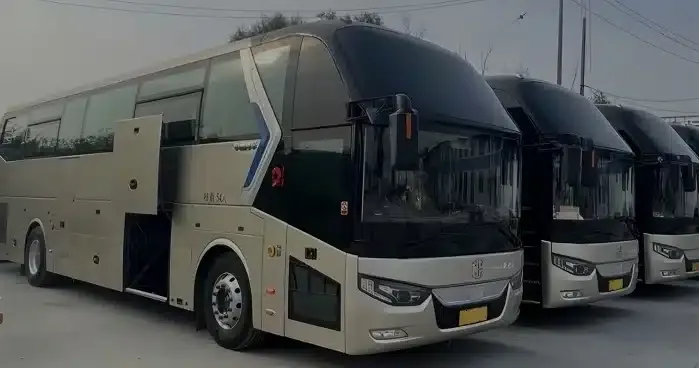
Ghandhara Industries Invests in Zhongtong Bus Assembly in Pakistan
Ghandhara Industries Limited has allocated approximately Rs. 2 billion to Rs. 3 billion for its Zhongtong bus assembly line in Pakistan, including the installation of a solar power system at the facility. The company shared the details during its corporate briefing, outlining a strategic approach to commercial vehicle manufacturing in the region. By integrating renewable energy into the plant, the enterprise seeks to address high electricity tariffs that typically burden heavy manufacturing operations.
The total investment aims to establish a modern assembly framework capable of meeting rising commercial transit demands. Management revealed that the solar-powered setup is expected to reduce operating costs in the coming years. This financial commitment reflects corporate confidence in the local transport sector, despite broader economic challenges affecting capital-intensive industries across the country.
Production Targets and Market Strategy
As part of its commercial strategy, Ghandhara is targeting annual sales of 300 to 400 Zhongtong buses. Achieving this sales volume would secure a steady market share within the domestic transport and fleet operator segments. Commercial transport operators continually seek reliable fleet additions, and local assembly helps avoid the heavy duties associated with fully imported built-up units.
The company offers the buses in 10-metre and 12.5-metre variants to cater to different operational requirements. Transit authorities and private transport companies often require varying capacities for urban routes versus intercity travel. Providing two distinct size options allows the manufacturer to bid effectively for municipal contracts and private fleet upgrades.
Pricing and Competitive Advantage
Affordability remains a central pillar of the sales strategy for the new assembly line. The larger 12.5-metre version is priced at approximately Rs. 44 million. Management stated that this pricing makes the 12.5-metre model around Rs. 4 million to Rs. 5 million cheaper than comparable Yutong buses currently available in the market.
This price differential provides a distinct competitive edge against rival imported and locally assembled commercial vehicles. Fleet buyers operate on tight profit margins, meaning a reduction of several million rupees per vehicle significantly impacts total capital expenditure. The cost advantage is expected to drive buyer interest toward the Zhongtong brand as fleet operators renew their aging vehicles.
Reducing Operating Costs Through Solar Energy
Industrial electricity rates remain a major expense for manufacturing plants and assembly facilities. To mitigate this financial pressure, Ghandhara has prioritized renewable energy integration from the outset of the project. The company expects the solar installation to generate cost savings as the facility moves towards fully solar-powered operations.
Lower baseline energy expenditures protect the company from unexpected utility price hikes. These internal savings can be passed down to customers or reinvested into further manufacturing improvements. Using solar infrastructure aligns with modern corporate sustainability goals while delivering practical financial benefits to the bottom line.
Outlook for Pakistan Commercial Transport Sector
The introduction of locally assembled Zhongtong buses contributes to the ongoing evolution of public and private transit infrastructure. Reliable, cost-effective buses are essential for improving passenger movement in growing urban centers. As the assembly line ramps up production toward its target of 300 to 400 units annually, market observers will monitor delivery timelines and fleet adoption rates.
Manufacturing commercial vehicles domestically also supports local engineering skills and supply chain development. While the immediate focus remains on completing the facility and rolling out the 10-metre and 12.5-metre models, the broader impact extends to employment and industrial capability. Stakeholders across the transport sector will watch how this financial and operational strategy unfolds in the competitive automotive market.