Punjab Introduces New Road Safety Measures on Major Highways
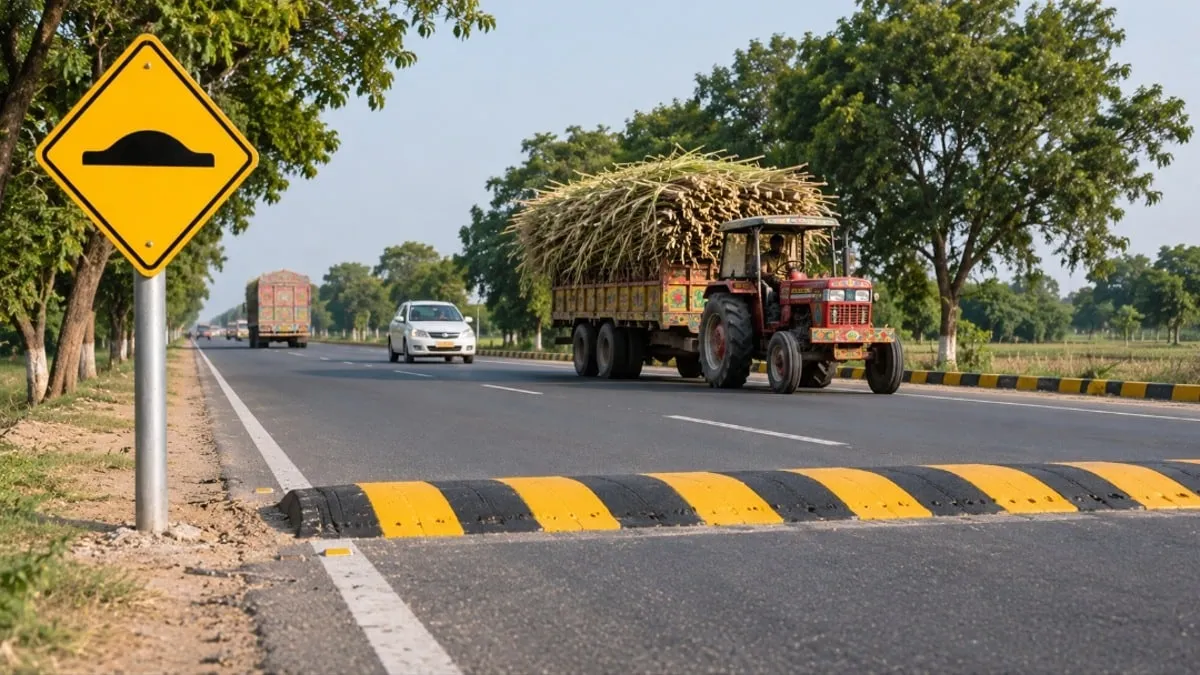
Punjab has decided to introduce new road safety measures on major highways to reduce traffic accidents, particularly at points where smaller roads connect to main routes. Under the plan, authorities will construct speed breakers on connecting roads and install signboards and other safety measures at accident hotspots across the province.
Traffic safety has long been a major concern for regional authorities, especially as commercial vehicle traffic surges during specific times of the year. The latest initiative aims to address specific structural vulnerabilities on suburban roadways where local traffic merges with high-speed highway corridors. By targeting these junctions, provincial departments hope to lower the frequency of collisions and protect motorists traveling across the region.
How Traffic Police and Punjab Highway Patrol Coordinate Safety
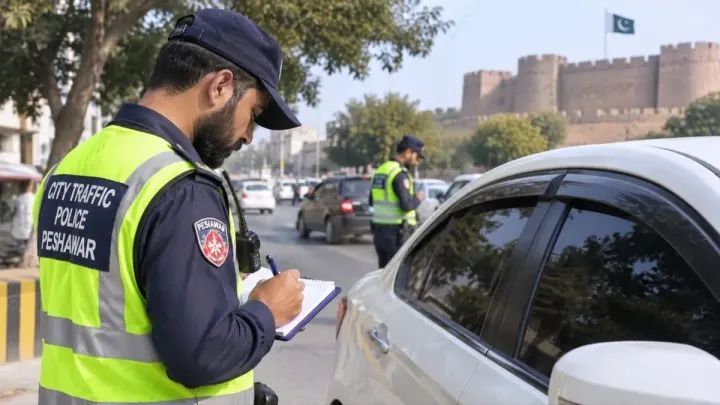
Deputy Inspector General (DIG) Traffic Waqas Nazir said traffic police and the Punjab Highway Patrol (PHP) would work together to improve road safety during the sugarcane harvesting season. He directed district traffic officers to coordinate with the PHP to identify accident hotspots and submit details for further action.
This joint effort brings together municipal traffic units and provincial highway patrols to pool resources and intelligence. Officers on the ground will rely on historical collision data and local reports to pinpoint dangerous intersections that require immediate engineering interventions and increased police presence.
Identifying Accident Hotspots in Suburban Areas
According to Nazir, most accidents occur on roads connecting to major highways in suburban areas. In Lahore, authorities are paying particular attention to Kahna, Raiwind Road, Band Road and other outlying areas.
Suburban corridors often experience rapid transitions in speed limits and traffic density, creating hazardous conditions for drivers unfamiliar with local layouts. Outlying zones like Kahna and Raiwind Road feature heavy mixing of local commuter traffic, pedestrians, and large commercial haulers, which elevates the risk of severe road incidents.
Managing Sugarcane Transport Hazards During Harvest Season
The DIG said around 10,000 tractor trolleys and trucks transport sugarcane to sugar mills across Punjab every day during the harvesting season. He added that sugarcane-loaded trolleys often remain parked along highways, creating hazards for passing motorists and increasing the risk of accidents.
The agricultural harvest places a massive logistical burden on rural and suburban road networks as thousands of heavy vehicles move raw crops to processing plants. Unlit or improperly parked transport trailers frequently cause nighttime collisions when fast-moving passenger vehicles fail to spot stationary obstructions in time.
Required Equipment and Visibility Enhancements for Tractors
Nazir directed officials to install reflectors on all sugarcane trolleys and at roadside parking areas to improve visibility and prevent collisions. He said traffic police and the Punjab Highway Patrol would take coordinated measures to protect lives and reduce road accidents during the harvesting season.
Reflectors and warning signs serve as critical visual aids for drivers navigating unlit rural stretches during early morning fog or late evening darkness. Enforcement teams will verify that every commercial vehicle operating within the agricultural transport sector meets these mandatory visibility standards before moving produce to mills.