FoodAg Pakistan 2026 Generates Millions in Expected Business Deals
Pakistan's fourth International Food and Agriculture Exhibition, FoodAg Pakistan 2026, generated approximately $875.4 million in expected business through 5,486 business-to-business meetings, bringing together Pakistani exporters, international buyers and investors at the Expo Centre Karachi.
Organized by the Trade Development Authority of Pakistan (TDAP), the four-day exhibition ran from November 23 to 26 under the theme "Harvesting Innovation, Cultivating Sustainability." The event helped Pakistani food and agricultural exporters establish international partnerships and explore new markets.
According to consolidated exhibitor feedback, the exhibition recorded 5,486 B2B meetings, with participating companies reporting expected business worth approximately $875.4 million.
Foreign Buyers Sign Commercial Contracts With Pakistani Companies
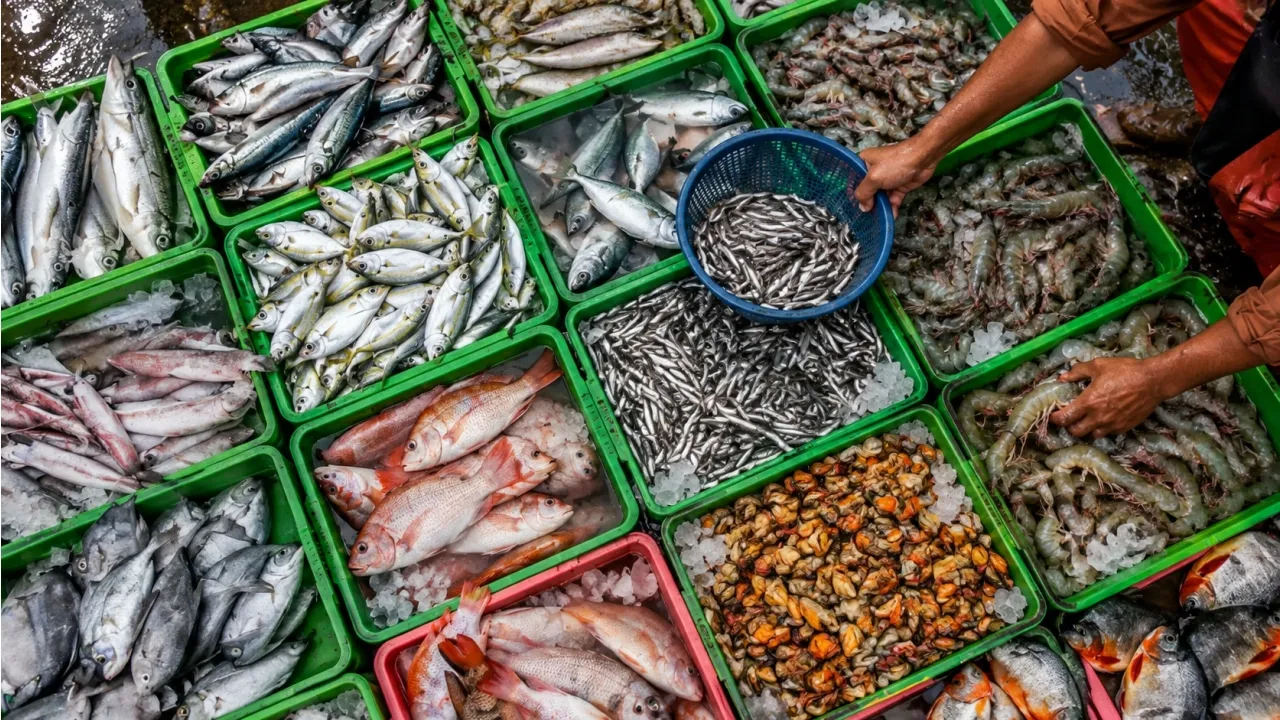
Several international trade agreements, commercial contracts and memorandums of understanding were signed during the exhibition. A Chinese delegation entered into agreements with Pakistani companies covering seafood, fish meal, sesame seeds, rice, beef and other agricultural commodities.
Delegations from the United Kingdom, Saudi Arabia, the Philippines and Kenya also reported substantial business engagements with Pakistani exporters, according to the report.
Federal Commerce Minister Jam Kamal Khan met Pakistan's Trade and Investment Officers (TIOs), emphasizing their role in helping exporters access international markets, build buyer-seller connections and convert business discussions into actual export orders.
Understanding the Role of the Trade Development Authority of Pakistan
The Trade Development Authority of Pakistan operates under the Ministry of Commerce to promote the country products abroad. TDAP organizes trade fairs, business delegations, and exhibitions to bridge the gap between local producers and global retail markets.
By hosting events like FoodAg Pakistan, the authority provides a physical platform where small and medium enterprises can display goods without traveling overseas. These initiatives are central to the national strategy of expanding the export base beyond traditional textiles.
International exhibitions also allow agricultural producers to understand sanitary and phytosanitary standards required by importing nations. Meeting these regulatory benchmarks is essential for food items to clear customs in North America, Europe, and East Asia.
How International Trade Delegations Participated in Karachi
Foreign participation at FoodAg Pakistan 2026 reflected a diverse mix of sourcing agents, retail distributors, and government trade promotion officials. The presence of delegations from China, the United Kingdom, Saudi Arabia, the Philippines, and Kenya demonstrated broad geographic interest in Pakistani crops and processed foods.
Chinese buyers focused heavily on protein sources and bulk grains, securing supply chains for seafood, fish meal, and rice. Meanwhile, delegates from Gulf nations and European markets explored opportunities in fresh produce, meat, and oilseeds.
Federal and provincial leaders observed these interactions firsthand. Sindh Governor Syed Nehal Hashmi visited the exhibition and received a briefing on international buyer participation, business engagements, and potential export opportunities.
Chairman of the Senate Standing Committee on Commerce Anousha Rehman and several senators also toured the exhibition pavilions to inspect stalls and speak with local business owners.
Knowledge Sharing and Agricultural Innovation at the Expo
Alongside commercial activities, FoodAg Pakistan featured knowledge-sharing sessions and panel discussions on agricultural innovation, sustainable farming, intellectual property protection, and export diversification.
Experts discussed modern irrigation techniques, seed technology, and cold chain logistics needed to reduce post-harvest losses. These discussions help farmers and processors adopt practices that align with international buyer expectations.
Intellectual property protection was another major theme, ensuring that unique regional agricultural products gain proper recognition and legal protection in global commerce.
Panelists emphasized that diversifying export destinations reduces reliance on traditional markets and protects local growers from regional economic shocks.
What the $875.4 Million Figure Represents for Pakistan Exporters
The reported $875.4 million represents expected business based on exhibitor feedback, rather than confirmed export earnings. Converting these discussions and agreements into actual orders will be key to realizing the exhibition's commercial potential.
Trade and Investment Officers stationed abroad face the task of following up on the memorandums of understanding signed during the four-day event. Their coordination with local chambers of commerce determines how quickly negotiations translate into shipped cargo.
Business owners must now fulfill sample requests, finalize pricing structures, and secure necessary quality certifications to turn preliminary talks into binding commercial contracts.





