Pakistan Goods Transporters Announce 5 Percent Freight Charge Reduction
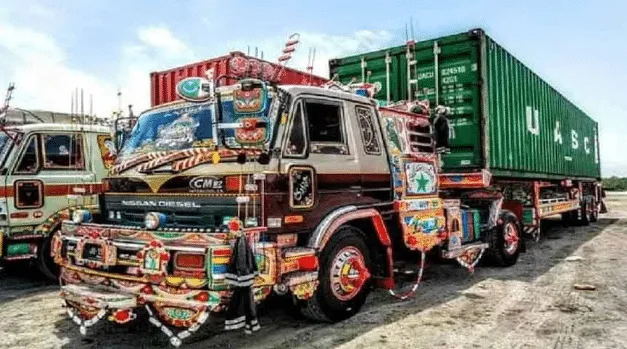
Goods transporters across Pakistan have announced a 5 percent reduction in freight charges following recent cuts in petrol and diesel prices. The decision brings immediate financial relief to businesses and consumers alike as supply chain costs adjust to lower energy expenses.
President of the All Pakistan Goods Transport Ittehad Malik Shehzad Awan announced the decision on November 26, saying the reduction in petroleum prices over the past 20 days had convinced transporters to lower their charges nationwide. He welcomed the government's decision to reduce fuel prices and said lower transportation costs would directly benefit the public.
Background on Pakistan Fuel Prices and Transport Economics
Fuel prices in Pakistan have experienced significant volatility over recent cycles, directly impacting the broader economy. Transportation expenses form a major component of the final retail price for nearly all consumer goods, foodstuffs, and industrial inputs moving across the nation. When fuel costs escalate, logistics operators face higher operational expenditures, which typically force them to raise freight tariffs. Conversely, downward adjustments in petroleum tariffs create room for relief across the commercial sector.
The All Pakistan Goods Transport Ittehad represents a crucial segment of the nation's logistics network, coordinating freight operators who move cargo between major ports, industrial hubs, and consumer markets. Logistics associations monitor daily petroleum pricing announcements closely, as diesel powers the vast majority of heavy commercial trucks operating on national highways. Recent downward adjustments in diesel and petrol rates provided the necessary financial margin for the association to pass savings down the supply chain.
Impact of Lower Freight Rates on Businesses and Consumers
Awan also expressed hope that the government would further reduce petrol and diesel prices to provide additional relief to consumers and the transport sector. The reduction in freight charges could help lower transportation expenses for businesses that rely on trucks to move raw materials, agricultural produce, and finished goods across the country.
Industrial manufacturers, wholesale traders, and agricultural producers stand to gain from decreased shipping expenditures. Lower trucking costs reduce the cost of goods sold, which can ease inflationary pressures on retail items in local markets. Households purchasing daily essentials, perishable food items, and manufactured products may see more stable pricing as distribution costs decrease.
The Role of Goods Transport in Pakistan Economy
Awan said goods transportation plays an important role in Pakistan's economy, particularly in supporting industrial activity, trade, and the movement of essential commodities. The vast majority of domestic trade relies on road freight rather than rail networks, making truck operators central to commercial connectivity between provinces.
From textile mills in Punjab to agricultural farms in Sindh and import cargo arriving at southern ports, commercial trucks form the backbone of national distribution. Ensuring the financial viability of this sector remains essential for maintaining steady supply chains and preventing supply bottlenecks that disrupt manufacturing schedules and consumer markets.
Unresolved Demands and Government Commitments
Alongside announcing the tariff cut, Awan called for the implementation of commitments made by the federal and provincial governments during nationwide transport strikes held in August and December. Transport unions have previously negotiated with administrative authorities regarding various regulatory concerns, toll taxes, and operational policies.
Fulfilling these past agreements remains a key priority for transport associations seeking long-term stability in the logistics industry. While the 5 percent freight reduction demonstrates cooperation between private operators and public sector price adjustments, union representatives continue to press authorities for comprehensive policy support and regulatory relief.