Pakistan Navy Honors 17-Year-Old Heart Patient With Sub-Lieutenant Rank
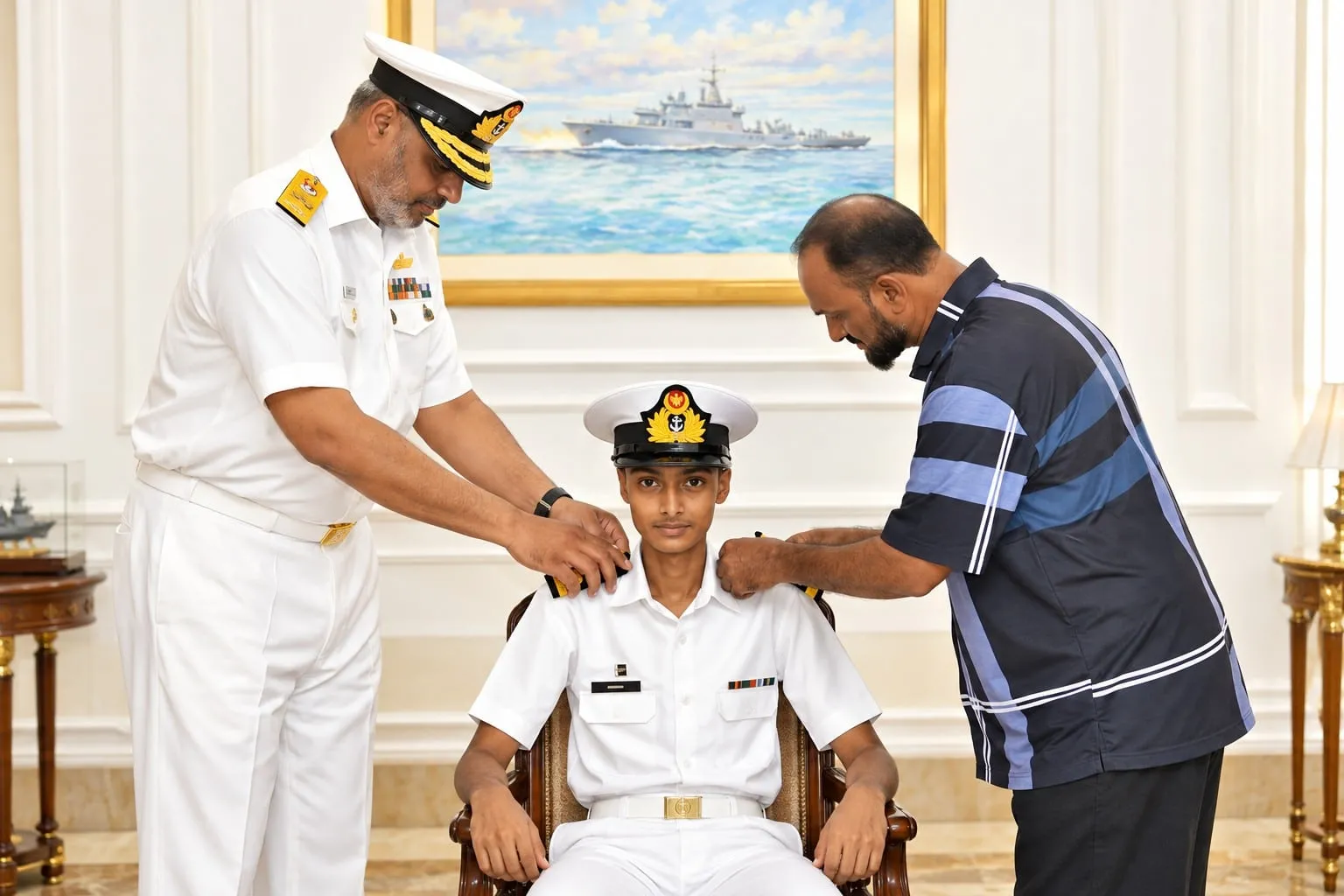
The Pakistan Navy has fulfilled a lifelong ambition for a 17-year-old heart patient by granting him an honorary commission. Muhammad Ibad Hussain, a resident of Rajanpur who has lived with a congenital heart condition since birth, received the honorary rank of sub-lieutenant following formal approval from Chief of the Naval Staff Admiral Naveed Ashraf. This gesture brought a moment of profound joy to a teenager whose medical condition prevented him from pursuing a traditional military career.
Military organizations around the world occasionally grant honorary military ranks to civilians facing severe illnesses or terminal conditions as part of community outreach and morale-boosting programs. For Hussain, whose medical struggles have defined much of his young life, the recognition bridges the gap between his personal aspirations and the reality of his health limitations. The decision by the naval leadership underscores a commitment to public engagement and empathy, reaching beyond standard defense duties to touch individual lives.
Background on Childhood Ailments and Military Aspirations
Growing up in Rajanpur, Hussain developed a deep fascination with the maritime military branch and its role in national defense. However, living with a cardiac condition since birth meant that rigorous physical standards for military recruitment remained permanently out of reach. Standard enlistment protocols for naval officers require high levels of physical fitness, endurance, and rigorous medical clearances to ensure candidates can withstand demanding operational environments at sea.
Despite these barriers, his ambition to wear the uniform never wavered. Stories of young individuals with serious medical challenges receiving honorary titles from armed forces highlight a compassionate side of military institutions. These programs provide comfort and acknowledgment to patients who display immense resilience in their daily battles against illness. By stepping into an honorary role, Hussain joined a select group of civilians recognized for their spirit rather than combat readiness.
Touring the Warship PNS Khyber
Following the official approval of his honorary rank by Admiral Naveed Ashraf, Hussain experienced a day of immersion in naval life. Accompanied by his parents, the teenager traveled for a special visit to the navy warship PNS Khyber. Such visits offer civilians a rare glimpse into the complex machinery and human organization required to maintain modern naval defense vessels.
During the tour of PNS Khyber, the young honorary sub-lieutenant received a thorough briefing regarding the operational capabilities of the vessel. Naval personnel explained how the ship navigates, defends against threats, and executes missions at sea. Additionally, he was introduced to the daily routines, duties, and living quarters of the officers and sailors serving aboard the ship, gaining firsthand insight into the discipline required for naval service.
Previous Honors and Connections Between Sports and Service
The Pakistan Navy has a documented history of recognizing individuals who bring honor to the nation through various fields, including sports. In past ceremonies held at Naval Headquarters in Islamabad, leadership has honored personnel who balanced demanding military duties with extraordinary achievements in the public sphere. For instance, ceremonies presided over by naval leadership have celebrated sailors who transitioned from internal service branches to represent the country on international stages.
Historically, programs within the armed forces have supported talented individuals in pursuing external excellence, such as athletic careers, while maintaining their official ties to the service. While Hussain's recognition stems from personal perseverance against a severe medical condition rather than athletic prowess, it shares a common thread with past acknowledgments of dedication and national representation. These events reinforce the bond between the institution and the wider public it defends.
What This Means for Patients and Community Relations
For civilians and families dealing with severe pediatric illnesses, high-profile recognitions by national institutions offer emotional uplift and public visibility. Families navigating the emotional and financial tolls of congenital heart conditions often find solace in moments where their children are celebrated for their character and dreams. Public institutions use these events to demonstrate compassion, reminding citizens that the armed forces remain connected to the communities they protect.
Observers of military outreach programs note that such gestures foster goodwill and demonstrate institutional empathy. While the honorary rank of sub-lieutenant granted to Hussain carries no operational authority or military responsibility, its symbolic weight remains significant for the recipient and his family. As military branches continue to engage in community welfare, individual stories of fulfilled dreams serve as powerful reminders of shared human values beyond defense strategies.