French Blood Establishment Refrigeration Systems Targeted by Hackers
Hackers reportedly targeted refrigeration systems used by the French Blood Establishment (EFS), changing temperature settings from around -30°C to 110°C and potentially putting blood samples and plasma intended for medical transfusions at risk.
The attack took place overnight between November 1 and 2, 2026, and reportedly involved Coolworld, a company responsible for supplying and maintaining refrigeration equipment at healthcare facilities. According to French media reports, facilities in the Bourgogne-Franche-Comté region were among those affected.
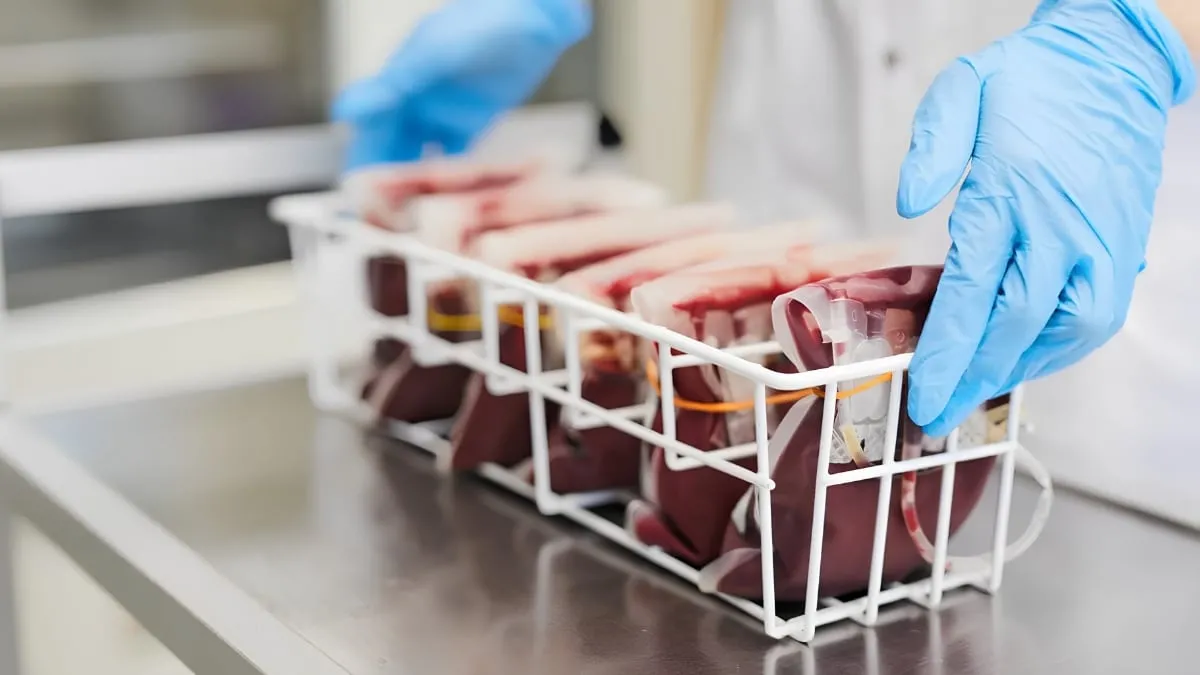
France's Health Ministry confirmed that an on-call technician detected the unusual temperature changes during the night, allowing staff to take immediate action and prevent operational disruption. Initial reports suggested that the affected refrigeration units contained donor samples used for blood safety monitoring. However, EFS later confirmed that frozen blood plasma intended for transfusions was also stored in the affected equipment.
Authorities have not reported any loss of plasma, disruption to transfusion services, or harm to patients.
Understanding the Role of the French Blood Establishment
The French Blood Establishment, known locally as Etablissement Français du Sang or EFS, operates as the public monopoly responsible for blood collection, processing, and distribution across France. Every year, the organization collects millions of blood donations from volunteers to supply hospitals and clinics for emergency surgeries, cancer treatments, and trauma care.
Maintaining a steady supply of blood products requires rigorous cold chain management. Fresh frozen plasma, red blood cells, and platelets must be kept at precise, freezing temperatures from the moment of collection until the exact time of clinical use to preserve cellular integrity and therapeutic value.
Because blood components have limited shelf lives and cannot be manufactured artificially, any compromise to the inventory threatens public health infrastructure. The EFS relies on complex logistical networks and specialized industrial refrigeration machinery to store these vital biological materials safely.
How the Cyber Incident Unfolded Overnight
The security breach occurred during the overnight hours between November 1 and November 2, 2026. Unauthorized actors gained access to the digital controls governing the cooling units, which are managed in partnership with Coolworld, a company responsible for supplying and maintaining refrigeration equipment at healthcare facilities.
Instead of manually breaking into physical storage rooms, the perpetrators manipulated the digital control panels of the cooling apparatus remotely or via connected networks. French media reports identified facilities within the Bourgogne-Franche-Comté region as specific targets of this unauthorized digital intrusion.
Fortunately, automated monitoring alerts and vigilant human oversight prevented a disaster. An on-call technician noticed the aberrant telemetry data during the night shift. This rapid detection enabled facility personnel to intervene before the physical environment inside the storage chambers could reach dangerous levels.
Technical Realities of Freezing and Temperature Settings
The reported 110°C figure refers to the temperature setting entered into the refrigeration control system rather than the actual temperature reached inside the freezers. Industrial refrigeration units cannot instantly heat up to such extremes, especially when loaded with frozen mass, but altering the digital setpoint tricks the machinery into shutting off cooling cycles or activating defrost mechanisms.
Fresh frozen plasma must be stored at -25°C or below, as prolonged exposure to higher temperatures could make it unsuitable for transfusions. When plasma thaws or experiences significant warming, the labile clotting factors degrade rapidly, rendering the biological product medically useless for patients suffering from severe hemorrhages or clotting disorders.
Beyond plasma, the affected units contained donor samples used for routine blood safety monitoring and pathogen screening. Protecting these diagnostic samples is critical to ensuring that every unit released for clinical transfusion is free from infectious diseases.
Response from Health Authorities and Ongoing Investigations
Following the discovery of the tampering, institutional leaders and government regulators launched immediate reviews to assess the breach. France's Health Ministry stepped in to coordinate communication and confirm that containment protocols worked as intended.
Authorities have not reported any loss of plasma, disruption to transfusion services, or harm to patients. The swift response by technical staff ensured that hospital deliveries continued without interruption across the affected healthcare network.
Despite the successful containment, significant questions remain unanswered. The identity of the hackers and the method used to access the refrigeration systems remain unknown. Furthermore, authorities have not disclosed the number of affected units or how long the altered settings remained in place before being corrected.
Broader Implications for Critical Healthcare Infrastructure
This incident highlights the growing vulnerability of medical supply chains to cyber physical attacks. As hospitals and blood banks digitize their infrastructure to improve efficiency, they also expose traditional industrial machinery to remote interference.
Refrigeration units, heating ventilation systems, and power generators increasingly rely on internet connected controllers for remote diagnostics and maintenance. When cybersecurity measures fail to protect these operational technology environments, physical assets such as blood plasma, vaccines, and pharmaceuticals face direct risks.
Security specialists across Europe continue to monitor critical healthcare networks for similar vulnerabilities. Healthcare institutions face mounting pressure to isolate their critical environmental controls from broader enterprise networks to prevent unauthorized access by malicious actors.