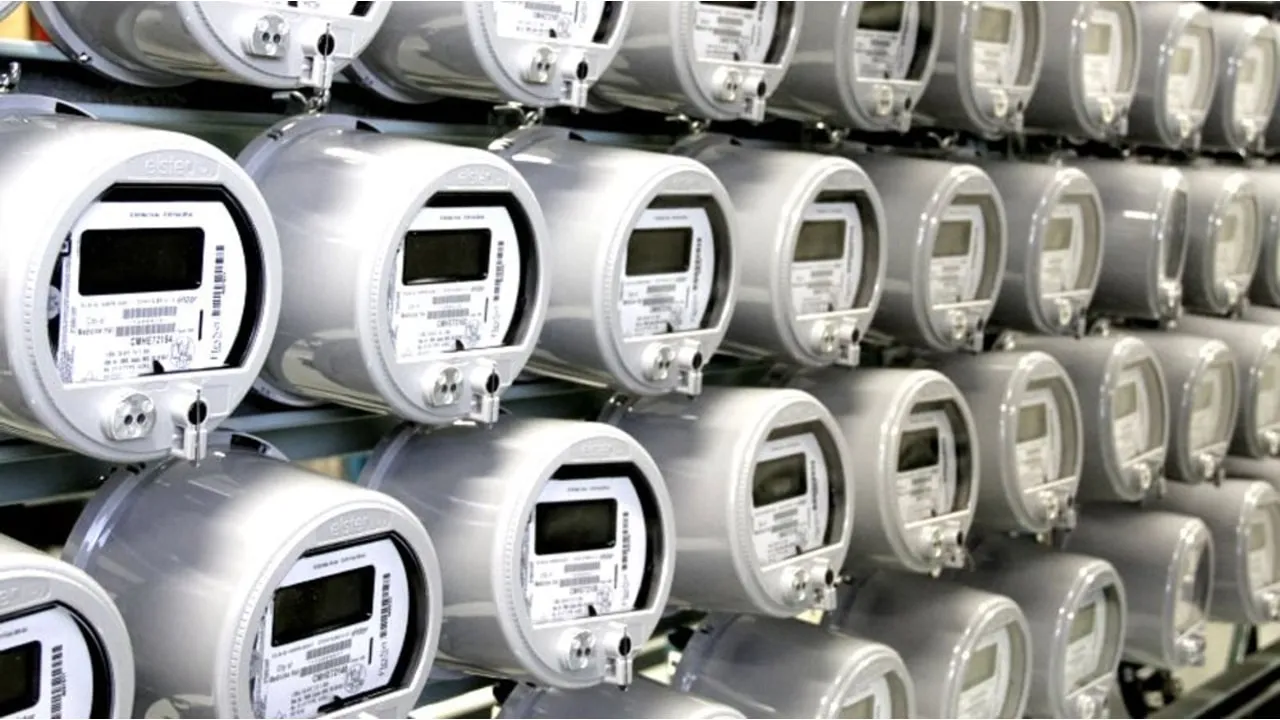
Pakistan Plans Massive 16.2 Million Smart Meter Rollout
Pakistan is planning to replace 16.219 million conventional electricity meters with advanced smart metering systems across five power distribution companies, in a project estimated to require up to $1.3 billion in investment. This large-scale modernization effort targets systemic inefficiencies that have plagued the national energy grid for decades, driving up circular debt and frustrating consumers with billing disputes. By transitioning to digital infrastructure, authorities hope to modernise the utility sector and curb rampant electricity theft.
The International Finance Corporation, which acts as the private sector investment arm of the World Bank Group, is preparing to discuss the initiative and broader power sector reforms with the Power Division during a visit to Pakistan from November 24 to December 2, 2026. High-level delegations will review how international financial institutions can assist the government in upgrading national utility networks and lowering operational overheads. These discussions form part of a sustained dialogue aimed at restoring fiscal health to a vital economic sector.
How the Smart Meter Financing and Payment Structure Works
One of the key features of日本の the proposed arrangement is that consumers will not have to pay upfront for replacing their existing meters. Installation will be provided free of cost, while private investors will receive an agreed payment per meter through monthly electricity bills. This mechanism prevents households and businesses from facing sudden capital outlays while still enabling private sector participation in public utility upgrades.
Payments to investors will be made in local currency. The structure is intended to attract private capital without requiring the government or consumers to bear the full initial cost of replacing millions of meters. Foreign exchange risk is thus managed domestically, shielding the arrangement from currency fluctuations that often complicate infrastructure projects in developing economies.
IFC's preliminary assessment estimates the investment requirement at $60 to $80 per meter, putting the overall project cost between approximately $973 million and $1.298 billion. The estimate includes meter supply and installation, connectivity with Head End Systems and Meter Data Management systems, licensing fees and associated expenses. These digital backbones allow utilities to monitor power flows in real time and detect tampering instantly.
The final project cost will be determined after the first international competitive bidding process. Sources said the program is expected to be completed within two years. Transparent bidding ensures that contractors compete on price and technical capability, driving down costs for the end consumer.
Which Power Distribution Companies Are Included
The proposed Advanced Metering Infrastructure programme will cover Lahore Electric Supply Company, Multan Electric Power Company, Peshawar Electric Supply Company, Hazara Electric Supply Company and Quetta Electric Supply Company. These five utilities serve millions of residential, commercial, and industrial customers across different provinces, each facing unique geographical and security challenges in power distribution.
Under the proposed arrangement, 16.219 million conventional single-phase meters will be replaced or upgraded through private AMI service providers under a public private partnership model. The rollout will take place in multiple phases, with initial implementation focusing on priority feeders. Prioritising high-loss areas allows the utilities to secure immediate financial returns by stopping theft where it is most prevalent.
The project aims to reduce electricity distribution losses, improve billing accuracy and revenue recovery, strengthen operational efficiency and network reliability, and restore consumer confidence in the power sector. Accurate data collection eliminates human error in manual meter reading and ensures that bills reflect actual consumption rather than estimations.
Role of the International Finance Corporation and Transaction Advisors
IFC has already been engaged as the transaction advisor for the project. A Transaction Advisory Services Agreement was signed on April 17, 2026, for a period of three years. This multi-year engagement gives the government continuous expert guidance through the complex phases of procurement, structuring, and financial closing.
Its role includes developing the project's financial, technical, and legal framework and structuring a commercially viable arrangement. Any direct investment by IFC would require a separate investment decision and applicable approvals. By maintaining this advisory capacity, the institution helps reassure international lenders about the governance and transparency of the rollout.
The advisory assignment will proceed in four phases. The first will cover project diagnostics, data validation, business case development and preparation of the rollout plan. The second will focus on transaction structuring and market sounding, including technical, commercial, financial, and legal assessments.
The third phase will involve procurement support and management of the bidding process, while the final phase will cover contract finalization and achievement of financial close. Each milestone must be cleared before moving to physical installations on the ground.
Assessing Investor Interest and Market Readiness
The Private Power and Infrastructure Board is expected to hold market sounding sessions in Karachi and Islamabad to assess investor interest and obtain feedback on the proposed transaction structure. These workshops allow prospective contractors and financiers to voice concerns and suggest adjustments before formal tender documents are published.
IFC's consultants are also working on a feasibility assessment covering the project's financial, technical, and legal components to determine its viability and identify an appropriate PPP structure. Rigorous feasibility studies protect both the public purse and private investors from unexpected pitfalls during the operational phase.
The program is part of broader efforts to address persistent problems in Pakistan's electricity distribution system, including high distribution losses, inaccurate billing, electricity theft and weak recovery of billed amounts. Fixing these structural weaknesses is vital for ending the cascading financial crises that routinely destabilise the national budget and disrupt power supplies.