Pakistan Railways Launches Special Pilgrim Trains for Religious Tourism
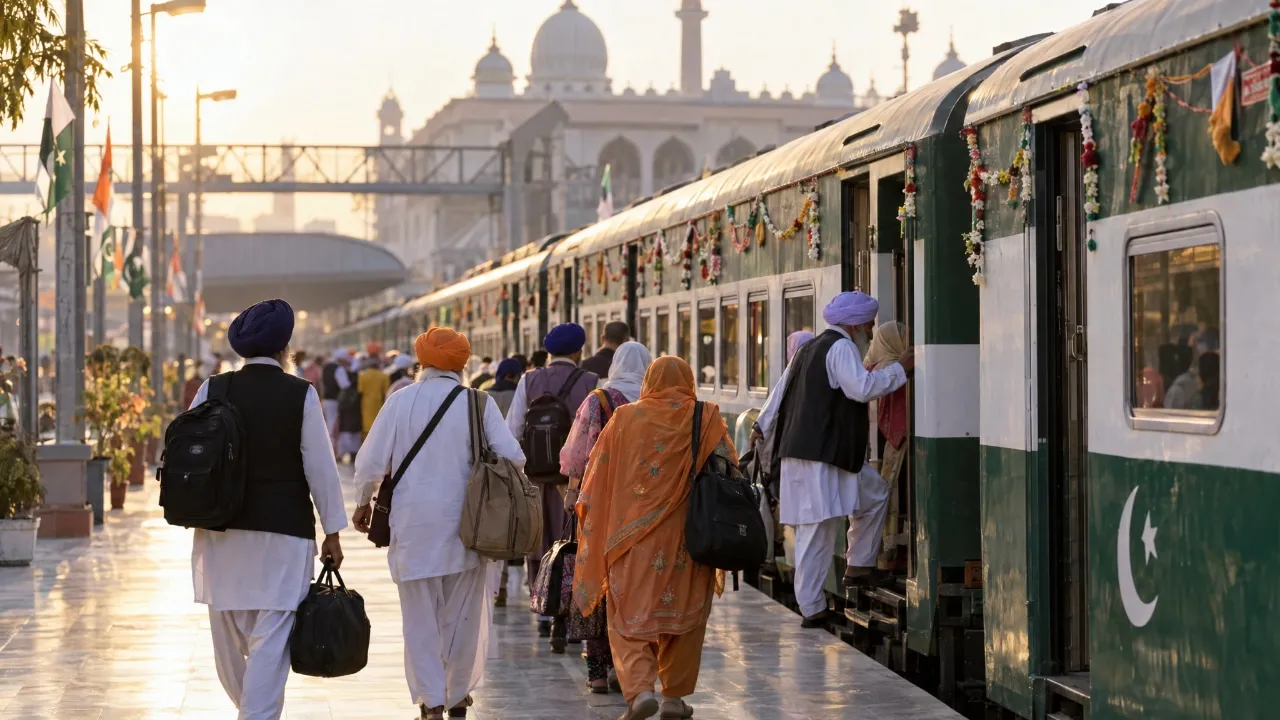
Pakistan Railways has operated two special trains from Karachi and Hyderabad to facilitate Sikh and Hindu pilgrims travelling to Nankana Sahib, marking a major step in boosting religious tourism, interfaith harmony and travel facilities for minority communities across the country. The initiative brings together travellers from various regions, providing them with dedicated transportation to one of the most revered spiritual sites in the region. By organizing these direct services, the transport ministry seeks to address long-standing travel challenges faced by minority groups during important religious observances and annual gatherings.
The special operation was arranged under the vision of the Federal Minister for Railways. Divisional Superintendent Karachi Division Jamshed Alam and Member of the National Assembly Ramesh Lal, who serves on the National Assembly Standing Committee on Railways, were present at the departure points to oversee the arrangements and bid farewell to the travellers. Their presence highlighted the institutional importance attached to this transport venture and the commitment of government officials to supporting minority communities in practicing their faiths openly and comfortably.
Composition and Capacity of the Pilgrim Trains
The two specially arranged trains departed separately from Karachi Cantt and Hyderabad, carrying a combined total of 25 coaches. The breakdown of the rolling stock included 14 coaches originating from Karachi and 11 coaches starting from Hyderabad. To accommodate additional travellers along the route, operational adjustments were made at key junctions. Three additional coaches were attached to the Karachi train at Rohri, while three more joined the Hyderabad service via a shuttle arrangement operating from Larkana.
These transport services offer both economy and air-conditioned accommodation options to suit the financial needs of the travellers. The combined capacity of the two formations exceeds 1,700 passengers, directly benefiting pilgrims residing in Karachi, Hyderabad, Rohri and Larkana. The availability of diverse seating and sleeping classes ensures that families, elderly individuals and youth can undertake the long-distance journey with adequate comfort and safety.
Schedule and Route Details for Nankana Sahib Services
Understanding the exact timetable is vital for the smooth execution of such large-scale passenger movements. The Karachi Cantt service departed at 11:30 am on November 20, arriving at Nankana Sahib at 9:45 am on November 21. Meanwhile, the second train departed from Hyderabad at 11 am, arriving at the destination at 6:50 am on November 21. Both trains are scheduled to begin their return journeys on November 25, ultimately reaching Karachi and Hyderabad on November 26.
- Karachi Cantt: departed at 11:30 am on November 20, arriving in Nankana Sahib at 9:45 am on November 21
- Hyderabad: departed 11 am, arriving 6:50 am on November 21
- Both trains begin their return journeys on November 25, reaching Karachi and Hyderabad on November 26.
Commitment to Equitable Travel for All Faiths
Representatives of Pakistan Railways stated that providing safe, comfortable and equitable transport to followers of all religions remains a key priority. Officials noted that this initiative is expected to strengthen religious tolerance, interfaith harmony and national unity by bringing diverse groups together through accessible public infrastructure. The transport department reaffirmed its ongoing commitment to delivering better travel options for members of all religious communities who need to visit sacred sites and attend major religious ceremonies across the national rail network.
Historical Context of Railway Services for Minorities
Special transport arrangements for religious festivals have a long history within the public transit framework, though dedicated multi-coach corridors of this scale represent a targeted policy effort. Historically, communities celebrating events at sacred destinations relied on regular scheduled services, which often faced heavy congestion during peak pilgrimage seasons. By deploying dedicated trains with rolling stock pooled from multiple divisions, the railway administration aims to bypass ordinary capacity constraints and provide a streamlined travel experience.
Nankana Sahib holds profound spiritual significance as the birthplace of Guru Nanak, the founder of Sikhism. Pilgrims from around the world, as well as domestic minority populations, visit the historic gurdwara complex throughout the year. Facilitating domestic transit from southern urban centers like Karachi and Hyderabad to the Punjab province bridges a significant geographical gap for minority citizens residing far from these central holy sites.
Operational Challenges and Inter-Divisional Coordination
Running special passenger services across vast distances requires meticulous coordination among multiple railway divisions. The Karachi Division, Hyderabad station management, Rohri junction staff and the Larkana shuttle service had to synchronize their operations to ensure that supplemental coaches attached seamlessly to the main formations without causing delays. Managing passenger boarding for over 1,700 individuals across multiple departure hubs demands strict adherence to safety protocols and crowd management strategies.
Railway personnel worked alongside community leaders and parliamentary representatives to verify ticketing, manage baggage and assist elderly travellers onto the platforms. Such inter-divisional cooperation serves as a template for future holiday and pilgrimage specials, demonstrating the capacity of the national carrier to mobilize resources rapidly in response to social and cultural demands.
Economic and Social Impact of Religious Tourism
The expansion of transport facilities for spiritual travel directly supports the broader development of religious tourism within the country. When minority communities receive reliable transport options, it stimulates local economies around major shrines, including Nankana Sahib, through hospitality, food services and local transport provisioning. Furthermore, official backing of these travel corridors signals a supportive state environment for cultural preservation and freedom of movement.
Civil society organizations and minority representatives have frequently advocated for dedicated transit concessions or special holiday trains. The successful deployment of these 25 coaches indicates a responsive approach by the Ministry of Railways to public petitions and parliamentary recommendations put forward by members such as Ramesh Lal. Observers will monitor whether this model is replicated for upcoming festivals associated with other minority calendars throughout the year.