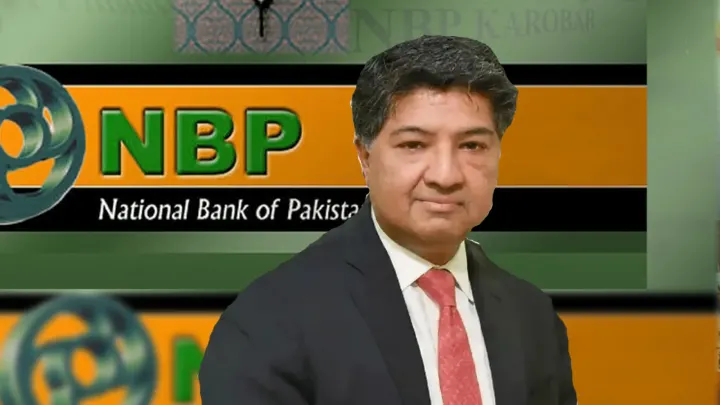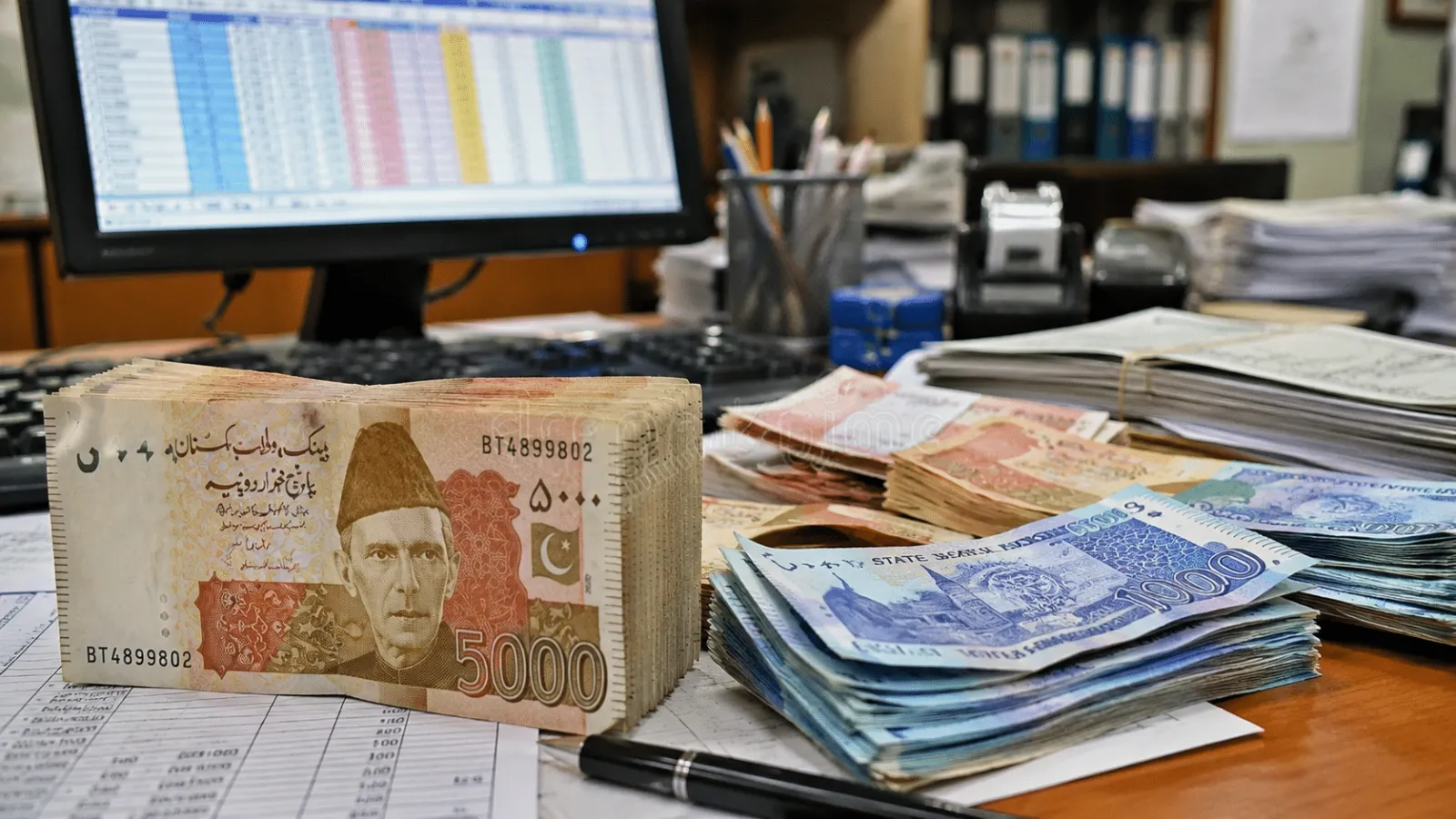
Pakistan has lifted the cash-transaction reporting ceiling to Rs. 3 million, up from Rs. 2 million, a 50 percent rise intended to sharpen the nation's anti-money-laundering and counter-terrorism financing system.
The National Executive Committee on Anti-Money Laundering and Countering Financing of Terrorism (AML CFT), led by Finance Minister Muhammad Aurangzeb, approved the adjustment for Currency Transaction Reports (CTRs) filed with the Financial Monitoring Unit (FMU) of the State Bank of Pakistan.
New Threshold Changes: Mandatory Cash Reporting
Under the updated rule, banks and other reporting bodies must submit a CTR when a cash deal reaches or exceeds Rs. 3 million. The previous limit was Rs. 2 million.
The revision concerns CTRs, which capture cash movements above a set amount. Separate Suspicious Transaction Reports (STRs) are required whenever a transaction or activity triggers suspicion of money laundering or terrorism financing, irrespective of the CTR limit.
The NEC sets reporting thresholds for banks, financial institutions and other agencies handling financial flows, and it coordinates strategy to reinforce Pakistan's AML CFT framework and ensure uniform monitoring and enforcement.
Maritime Piracy Added to Money Laundering Framework
The committee approved inserting Section 28 of the Pakistan Maritime Zones Act, 2023, into Schedule I of the Anti Money Laundering Act (AMLA), thereby classifying maritime piracy as a predicate offence.
Section 28 describes piracy as illegal violence, detention or depredation carried out for private gain by the crew or passengers of a private ship or aircraft against another vessel, aircraft, or persons and property aboard.
The NEC also approved adding the Pakistan Virtual Assets Regulatory Authority (PVARA) to Schedule IV of the AMLA, expanding its role in meeting AML and counter-terrorism financing obligations for virtual and digital assets.
FMU to Strengthen Financial Intelligence
Under the AMLA, the FMU receives and reviews CTRs and STRs from reporting parties and may request transaction records and related data from any agency or individual in Pakistan.
Targeted agencies and persons must promptly supply the requested information, allowing the FMU to share its analysis confidentially with investigative and prosecutorial bodies or foreign financial intelligence units under reciprocal sharing agreements.
Finance Minister Calls for Stronger AML Monitoring
An official statement noted the NEC examined compliance with earlier decisions and progress on Pakistan's AML CFT framework, including the FMU's performance, institutional capacity and projects involving artificial intelligence and machine learning.
Aurangzeb emphasized the need for timely follow-up and tighter coordination among relevant institutions to ensure effective implementation of the national framework. He also urged a clear roadmap with set timelines to boost the FMU's analytical and operational capacity.
The committee stressed keeping Pakistan's AML CFT framework adaptable to changing financial risks and emerging technologies while enhancing the analytical abilities of pertinent institutions.