Pakistan Refineries Oppose New Petrol Pricing Formula
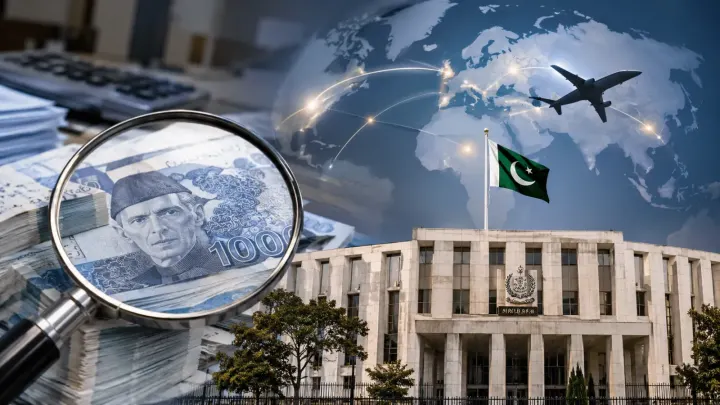
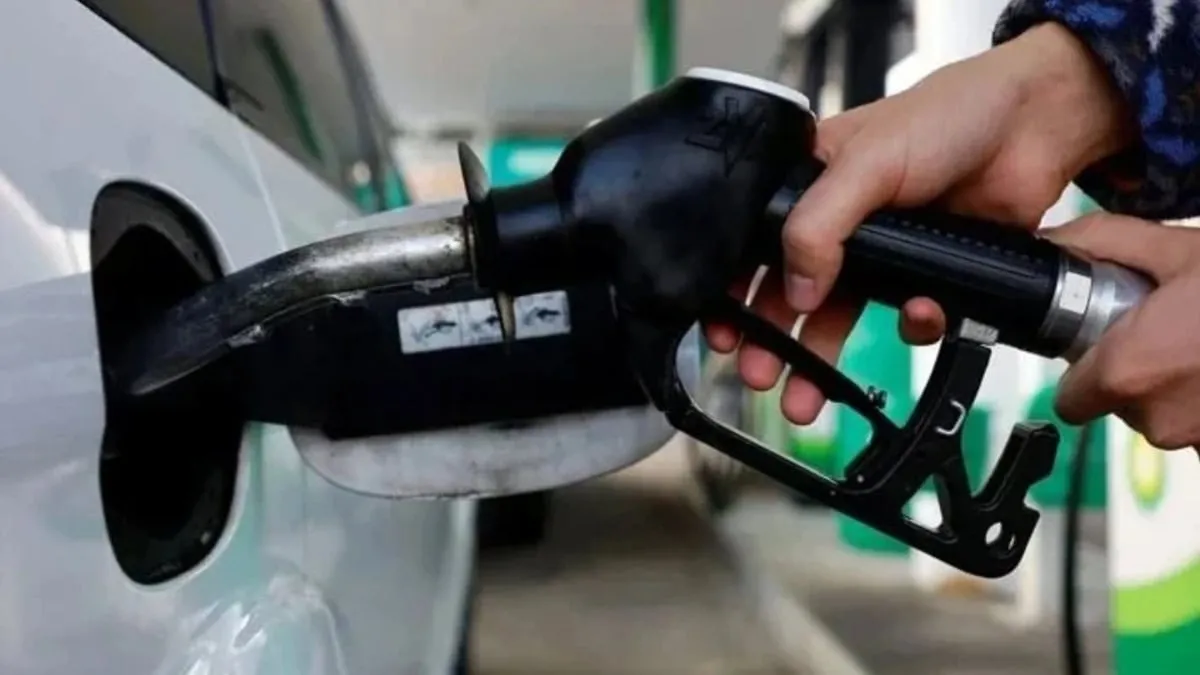
Pakistan's oil refineries have urged the government to withdraw the revised petrol pricing mechanism introduced on October 31, 2026, warning that it could impose a financial burden of Rs. 49.02 per litre on domestic producers. Meanwhile, the Pakistan Petroleum Dealers Association (PPDA) has demanded a forensic audit of refinery profits, claiming consumers could receive petrol price relief of up to Rs. 50 per litre.
The latest disagreement highlights deep structural tensions within the domestic energy sector regarding fuel pricing, profit margins, and import parities. Industry participants and retail representatives hold sharply contrasting views on how petroleum products should be costed and sold to the public. The debate directly influences consumer pump prices, refinery operational viability, and the broader economic stability of the energy supply chain.
Why Refineries Want the Pricing Formula Withdrawn
In a joint letter to the federal government, Attock Refinery, National Refinery, Cnergyico and Pakistan Refinery called for the restoration of the previous pricing formula and immediate consultations with relevant authorities. The refineries argued that the revised mechanism freezes premium, incidental and customs duty components at their March 7, 2026 levels while using updated import cargo costs for petrol pricing. They warned that the change could affect financial viability, fuel supplies and investment commitments under the Brownfield Refining Policy.
Domestic refiners operate under complex regulatory frameworks that dictate how crude oil is sourced, refined, and priced for the local market. By freezing specific cost components while allowing import benchmarks to fluctuate, the updated mechanism creates a financial squeeze for local production plants. Executives point out that failing to account for rising operational expenses threatens ongoing upgrades required to meet modern fuel standards.
The Demand for a Forensic Audit by Petroleum Dealers
Meanwhile, PPDA Chairman Malik Khuda Bakhsh called for a comprehensive audit to determine the actual earnings of oil refineries. The association claimed that consumers could receive relief of Rs. 40 to Rs. 50 per litre instead of the proposed Rs. 15 per litre. Retail dealers argue that pricing structures must reflect true market costs and eliminate excessive margins enjoyed by manufacturing units.
The retail sector contends that fuel consumers bear an unnecessarily heavy financial load due to opaque pricing calculations across the supply chain. By pushing for a forensic audit, retail representatives aim to uncover hidden profits and redirect potential savings toward lowering the final retail price of motor spirit for everyday citizens.
Dealers Seek Representation on Government Committees
Dealers also demanded representation on government committees responsible for petroleum pricing and policy decisions, arguing that a transparent audit should be conducted before finalising any consumer relief package. Retailers feel sidelined in key ministerial discussions that ultimately dictate their operational margins and sales volumes.
Giving retail associations a formal voice in pricing committees would bridge the communication gap between fuel stations and policy makers. Dealers maintain that firsthand experience with daily consumer demand and pump economics provides vital insights that bureaucrats often overlook when drafting nationwide energy regulations.
Background on Pakistan Energy Sector Policies
The current friction builds upon years of regulatory adjustments designed to modernize the country's refining sector while balancing public affordability. Policies such as the Brownfield Refining Policy encourage local plants to upgrade their facilities to produce cleaner fuels, requiring substantial capital investment. Refineries argue that sudden regulatory shifts undermine long term financial planning and deter foreign and domestic investors from committing capital.
Energy pricing in the country typically depends on international Brent crude benchmarks, exchange rate fluctuations, and government tax structures. Whenever global oil markets experience volatility, domestic stakeholders clash over how to distribute the financial impact between refineries, oil marketing companies, retail dealers, and end consumers.
Potential Impact on Fuel Supplies and Consumers
A prolonged standoff between refiners and retail dealers creates uncertainty for the entire petroleum supply chain. If refineries face severe financial losses, they may scale back production or delay necessary maintenance work, potentially threatening uninterrupted fuel availability across retail stations. On the other hand, consumers continue to struggle with high inflation and energy costs, making price relief a politically sensitive issue.
Observers are closely watching federal ministries to see how officials respond to the joint demands from refiners and the counter-claims from retail dealers. Resolving this dispute requires balancing the operational needs of domestic manufacturing plants against the urgent calls for consumer affordability in an inflationary economic climate.