Understanding the 173 Percent Rise in Pakistan Wheat Flour Prices
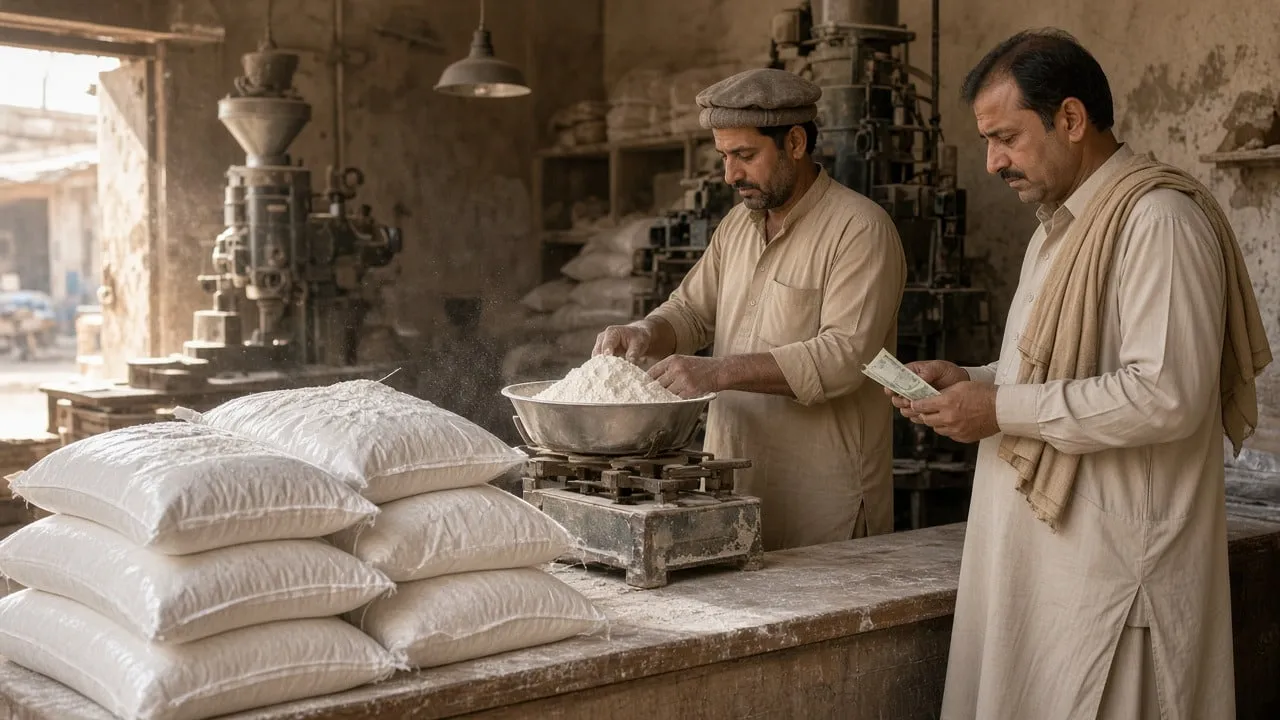
Wheat flour prices in Pakistan have risen 173% since January 2020, climbing faster than petrol and cooking oil and posting the steepest increase among key household staples. This dramatic surge places an immense financial strain on ordinary citizens who rely on the commodity for daily sustenance. Inflationary pressures across the country have affected multiple sectors, but food items, particularly grain products, bear the heaviest burden.
According to Pakistan Bureau of Statistics (PBS) price data compiled in the Gallup Pakistan Digital Analytics prices dashboard, the average price of a 20 kg bag of wheat flour rose 173% between January 2020 and July 2026. This extensive six-year tracking period demonstrates a relentless upward trajectory in the cost of living. Families across the nation have had to adjust their monthly budgets repeatedly to accommodate the mounting expenses associated with basic survival.
How Fuel and Cooking Oil Price Increases Compare
While wheat flour claimed the top spot for price escalation, other essential commodities followed closely behind with triple-digit percentage gains. Petrol was the next biggest gainer, with the price per litre rising 168% from Rs. 117.6 to Rs. 315.5 over the same period. Energy costs directly influence the transportation and production expenses of almost all goods, linking fuel hikes directly to food inflation. Cooking oil rose 159%, moving from Rs. 1,185 to Rs. 3,066.5, compounding the cost of daily meal preparation.
Additional household goods also recorded substantial jumps during the same timeframe. Chicken prices climbed 102%, making animal protein significantly less accessible for average wage earners. Meanwhile, sugar rose 96%, nearly doubling in price and adding further distress to grocery shoppers trying to maintain a standard pantry.
The Impact of Wheat Flour Costs on Low-Income Households
Flour is the staple of most Pakistani diets, so the increase hits hardest in low-income homes where food takes up a large share of the budget. Households with limited financial resources must dedicate a much larger portion of their earnings simply to acquire bread and roti. Taken together, flour, cooking oil and petrol now cost more than two and a half times what they did six years ago, altering the economic stability of millions of families.
The continuous escalation of food prices forces difficult choices at the household level. Many citizens reduce their consumption of nutritious foods, cut back on healthcare spending, or borrow money to cover basic grocery bills. Small businesses and local bakeries also face tighter profit margins as they attempt to absorb or pass on the soaring expenses of raw wheat and energy.
Current Market Pressures and Imported Wheat Challenges
The pressure on flour has not eased. ProPakistani recently reported that a 20 kg flour bag had hit Rs. 3,600, while flour prices rose again despite the arrival of imported wheat. Bringing foreign grain into the domestic market typically aims to stabilize local supplies and lower costs through increased availability, yet retail prices continue to defy downward expectations.
Supply chain complications, currency fluctuations, and international market rates contribute to the persistence of high food costs within the country. Authorities and market observers continue to monitor the agricultural sector closely as distribution networks grapple with the high costs of production and transport. The ongoing friction between supply volumes and consumer demand keeps retail prices stubbornly elevated.
Background on Pakistan Economic Shifts Since 2020
The period beginning in January 2020 brought profound economic disruptions globally, and Pakistan experienced severe macroeconomic shocks during this window. Currency depreciation, foreign exchange reserve constraints, and adjustments to energy subsidies drove up the cost of imported goods, agricultural inputs, and domestic manufacturing. Wheat production relies heavily on imported fertilizer, diesel for tractors, and electricity for irrigation pumps, all of which became noticeably more expensive.
Government policy interventions over the years attempted to regulate flour distribution through subsidized releases of wheat from official reserves to flour mills. However, logistical bottlenecks, hoarding, and disparities in distribution often prevented subsidized flour from reaching the most vulnerable populations effectively. As a result, open market prices served as the primary indicator of the true cost burden borne by consumers.
What to Watch for in Pakistan Food Inflation Trends
Observers tracking the economy must look toward upcoming agricultural harvest reports, government procurement targets, and fuel price adjustments to gauge the future direction of staple costs. Weather patterns and water availability for irrigation remain critical variables for domestic wheat yields in upcoming seasons. Any disruption in domestic crop production or international grain corridors could introduce further volatility into local markets.
Consumers and policymakers alike will also track the effectiveness of market monitoring committees tasked with preventing illegal price gouging and hoarding. Understanding how wage growth aligns with the 173% increase in flour prices will clarify the long-term sustainability of current household budgets. Maintaining transparency in price data collection by institutions like the Pakistan Bureau of Statistics remains essential for assessing the true daily reality of the nation's consumers.





