Pakistan State Oil Expands EV Infrastructure and Supply Chain Automation
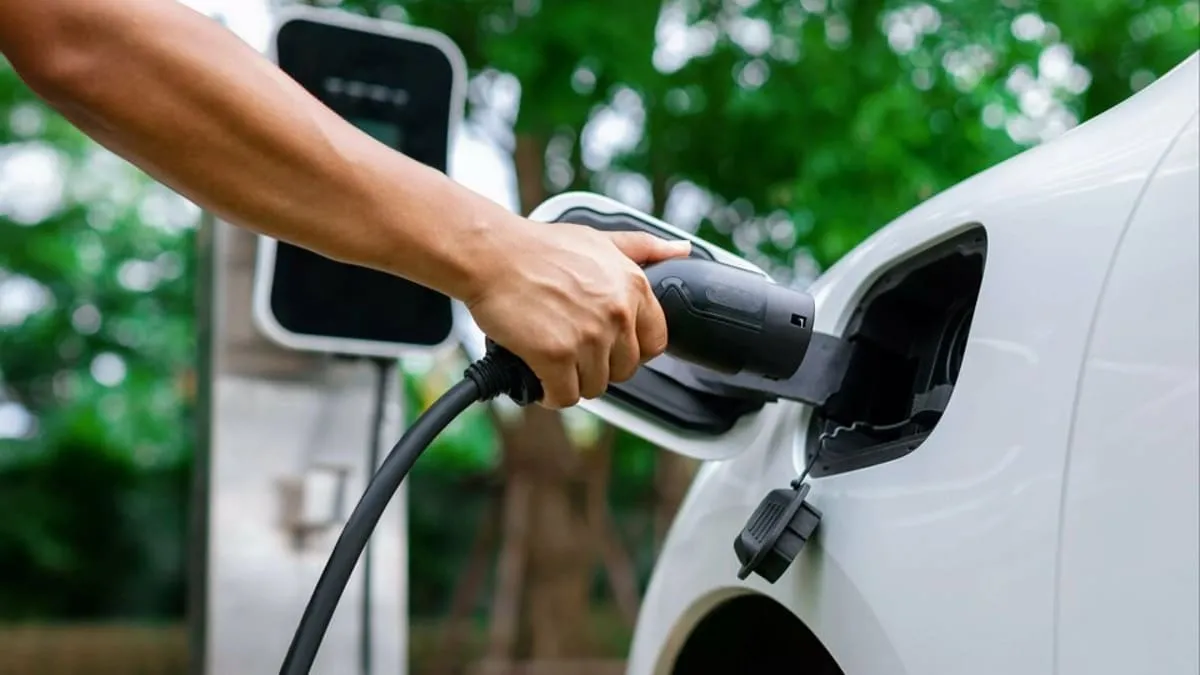
Pakistan State Oil plans to install more than 300 electric vehicle charging stations in busy cities and on highways across the country. The state-backed energy giant revealed the infrastructure expansion during a corporate briefing held on November 25, marking a significant step toward cleaner transport networks.
Alongside the electric vehicle charging network, the company will invest between Rs. 1.5 billion and Rs. 1.8 billion to automate its supply chain and approximately 3,600 retail outlets. This technological upgrade is designed to meet government criteria for higher oil marketing company margins, positioning the firm for long-term revenue growth despite current financial hurdles.
Understanding the Government Oil Marketing Company Margin Policy
The oil marketing company margin on petrol and diesel has remained fixed at Rs. 7.87 per liter since October 2023, when authorities increased the rate from Rs. 6 per liter. Fuel margins represent the regulated amount that companies earn on the sale of petroleum products to cover operational costs, logistics, and retail support.
On December 9, 2025, the Economic Coordination Committee approved a further increase of Rs. 1.22 per liter. Half of this proposed increase was scheduled to take effect from December 15, 2025, while the remaining portion was explicitly linked to corporate digitization targets set by regulators.
The federal cabinet subsequently tied the entire increase to 100 percent digitization of the supply chain network. However, the additional Rs. 1.22 per liter has yet to be officially notified by the government, leaving companies waiting for formal implementation before realizing the full financial benefit.
Revenue Potential from Digitization and Fuel Sales
Pakistan State Oil sold 1.539 million tonnes of petrol and 1.532 million tonnes of diesel during the first half of the 2026 financial year. Based on standard fuel densities, these sales translate into approximately 3.9 billion liters over six months, or around 7.8 billion liters annually.
At the additional rate of Rs. 1.22 per liter, the full margin increase could generate approximately Rs. 9.5 billion in additional annual revenue for the company before taxes, according to calculations cited in the corporate report. This influx of capital would allow the enterprise to recover its planned automation investment through higher margins within a short timeframe.
Management expects to complete the digitization drive between March and June 2027. Company leadership anticipates receiving part of the additional margin before completion, with the full increase to follow once all digitization requirements are fully met.
Deployment Plans for New Electric Vehicle Charging Stations
The rollout of more than 300 electric vehicle charging stations will take place over the next two to three years in major urban centers and along primary highway corridors. Company management told analysts that electric vehicle charging represents a profitable business model that justifies continued capital expenditure, although the firm has not disclosed the estimated capital cost of building the network.
Pakistan had an estimated 30 to 50 public electric vehicle charging stations in May 2026. The National Electric Vehicle Policy 2025-30 targets 3,000 charging stations nationwide by 2030, including 40 fast-charging stations along motorways at intervals of approximately 105 kilometers.
The national policy also requires oil marketing companies to install chargers at 10 percent of their fuel stations. For Pakistan State Oil, which operates approximately 3,600 retail outlets, this translates to installing chargers at around 360 locations, bringing its independent plan very close to regulatory expectations.
Financial Position and Liquidity Pressures Facing Pakistan State Oil
The company reported total assets of Rs. 998.8 billion, equity of Rs. 257.1 billion, and cash holdings of Rs. 75.3 billion as of December 31, 2025. Its planned Rs. 1.8 billion automation investment represents approximately 0.7 percent of its total equity and 2.4 percent of its cash holdings.
Despite strong asset figures, the enterprise continues to face working capital and liquidity pressures in its day-to-day operations. Short-term borrowings increased 8 percent to Rs. 384.3 billion in the 2026 financial year, with management attributing the rise to higher petroleum product prices and expanding working capital requirements. Around 70 percent of these short-term borrowings are held in foreign currencies.
Trade receivables for the enterprise stood at Rs. 414.8 billion as of June 30, 2026, while circular debt receivables remained a persistent challenge for the broader energy sector supply chain.





