Understanding the Mass Blocking of WhatsApp Accounts in Pakistan
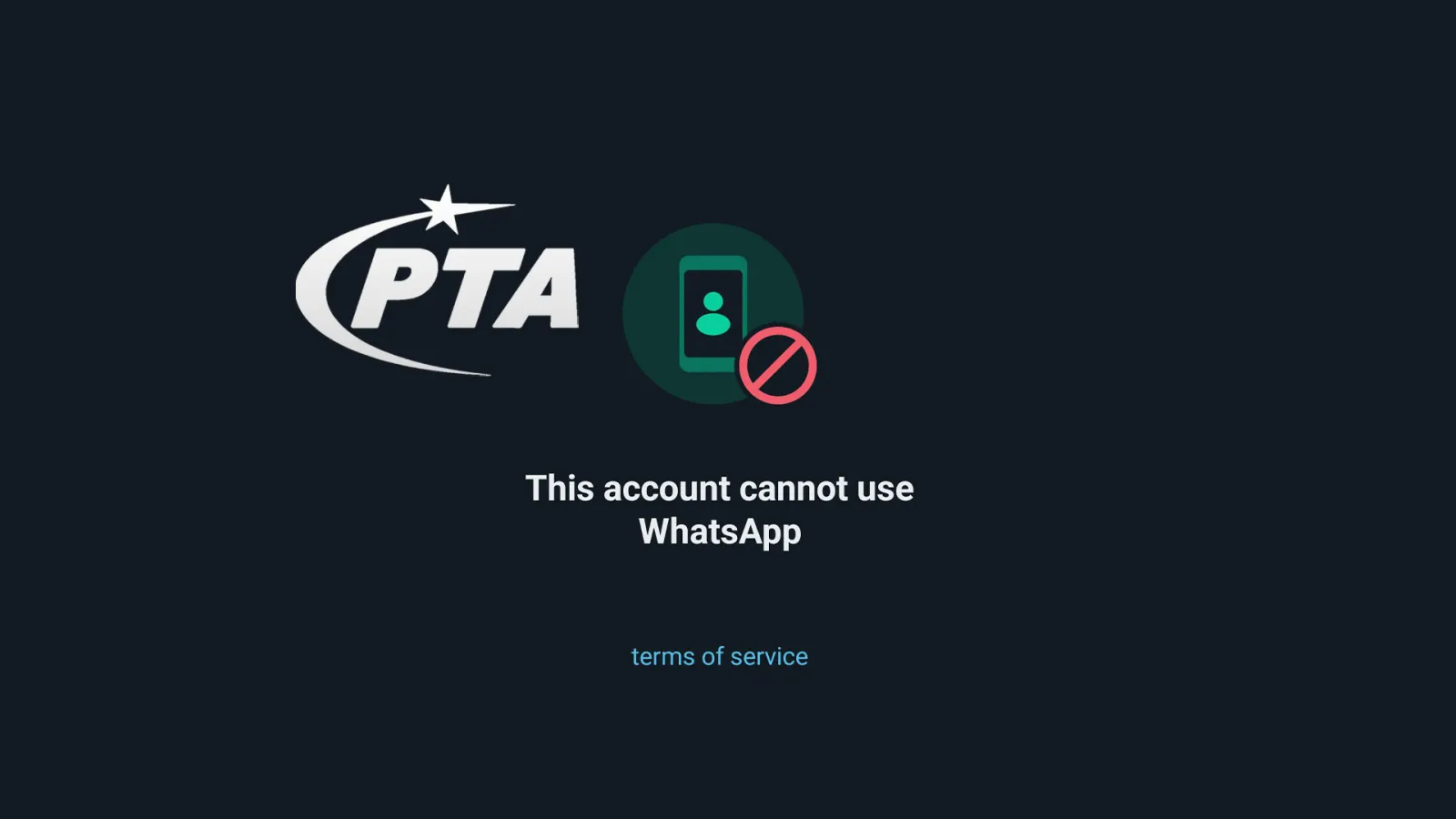
The Pakistan Telecommunication Authority has taken decisive action against cyber fraud by blocking 176,000 WhatsApp accounts. These specific accounts were registered against recycled mobile numbers. The regulator partnered directly with Meta, the parent company of WhatsApp, to execute these deactivations and protect mobile subscribers across the country from malicious actors.
Officials from the regulatory body explained that the accounts were deactivated following numerous complaints. Citizens reported that recycled mobile numbers were actively being exploited to commit fraud through the messaging platform. This collaborative security measure marks a major development in safeguarding digital communications within the nation.
How Recycled Mobile Numbers Create Security Risks
Telecom operators currently hold approximately 16 million recycled mobile numbers in their inventory. When a subscriber cancels or deactivates a SIM card, the underlying number eventually returns to the operator pool to be reissued to new customers at a later date.
Security vulnerabilities arise because WhatsApp accounts linked to these numbers often remain active even after the original SIM cards are cancelled. When telecom operators issue these numbers to new subscribers, the existing WhatsApp accounts remain accessible under the new ownership. This technical gap creates prime opportunities for fraudsters to misuse those profiles and target unsuspecting new subscribers.
The Collaboration Between PTA and Meta
To combat this widespread vulnerability, the regulatory authority initiated a massive data-sharing process with Meta. The authority has already shared roughly 10 million recycled mobile numbers with the tech giant for thorough verification and identification of associated WhatsApp profiles.
Under a newly established permanent arrangement, the regulatory body will continue transmitting 5,000 recycled mobile numbers to Meta every single month. This ongoing pipeline ensures that the platform can continuously identify and block vulnerable accounts before criminals can exploit them.
Regulatory officials noted that WhatsApp accounts associated with these recycled numbers are being identified and restricted in structured phases. Furthermore, data shows that Meta successfully resolved 82 percent of complaints forwarded by the regulator over the previous year, demonstrating a strong operational partnership.
Practical Advice for New Mobile Subscribers
Citizens who acquire new mobile connections face unique digital risks due to the widespread circulation of recycled numbers. When individuals purchase a fresh SIM card, they might unknowingly inherit a mobile number that still maintains an active digital footprint on various messaging applications.
Subscribers should immediately verify the status of their messaging applications when activating a new connection. Setting up two-step verification and registering biometric details correctly helps prevent unauthorized access. Mobile users must report any suspicious activity or unexpected account recovery prompts to the relevant authorities immediately.
Future Outlook and Regulatory Next Steps
The joint framework between the regulatory agency and Meta represents a long-term strategy to clean up digital channels. With millions of recycled numbers still held by various telecom operators, the monthly transfer of 5,000 numbers serves as a continuous defense mechanism.
Observers will monitor how effectively the phased deactivations scale up to cover the entire backlog of vulnerable profiles. The regulatory body continues to urge telecommunication companies to improve their coordination and safeguard consumer data against evolving cyber threats.