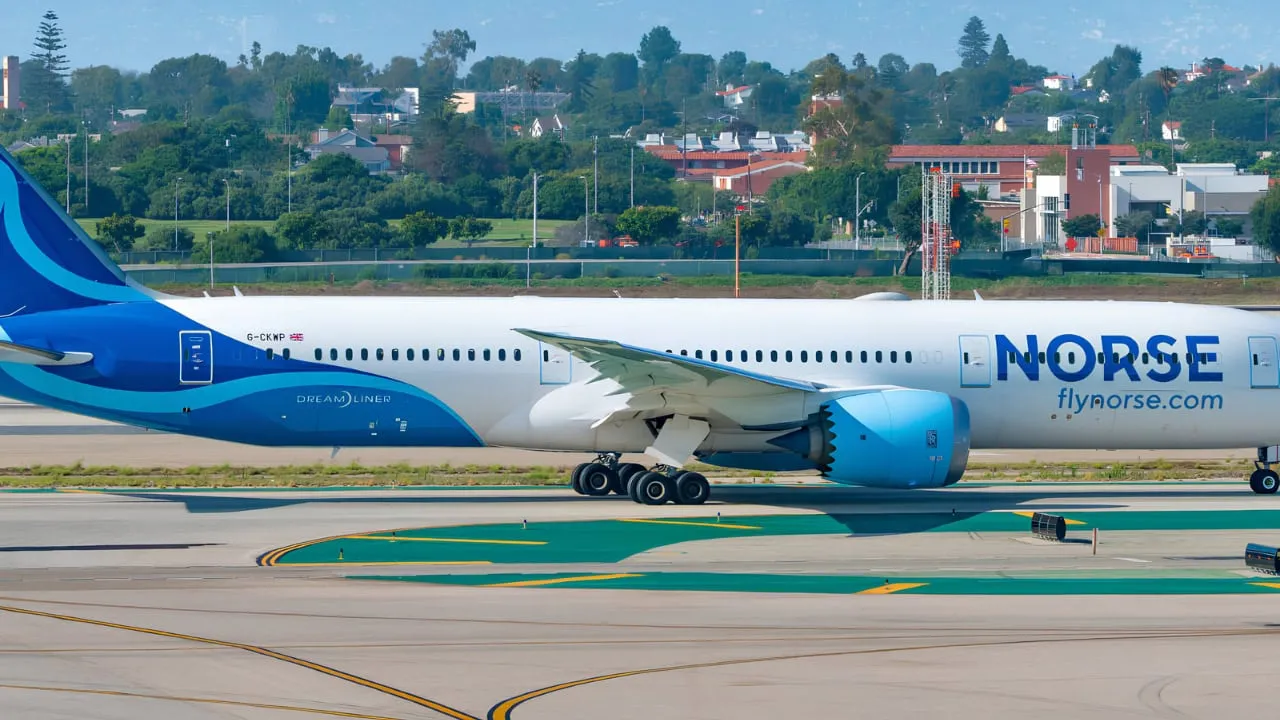
PIA Flights Cancelled Following Norse Atlantic Lease Suspension
Pakistan International Airlines confirmed on Wednesday, November 25, that the flag carrier had to cancel two scheduled flights after Norse Atlantic abruptly suspended their aircraft leasing agreement. The Norwegian budget carrier then halted its own flight operations on Thursday as its financial situation deteriorated rapidly. The board of directors at Norse Atlantic stated an intention to file for bankruptcy unless the airline manages to secure urgent short-term financing.
The sudden disruption leaves the national carrier of Pakistan scrambling for alternative arrangements to manage its capacity. Aircraft leasing agreements of this scale typically take months to negotiate, meaning the loss of these specific planes creates an immediate operational deficit. Aviation authorities and airline management are reviewing schedules to minimise inconvenience for passengers holding confirmed tickets on the affected routes.
Details of the Interrupted PIA and Norse Atlantic Agreement
The cancelled arrangement involved a two-aircraft agreement that was publicly announced in October. Under the terms of that contract, Norse Atlantic was scheduled to supply Pakistan International Airlines with the jets along with their flight crews, while also covering routine maintenance and insurance costs. With the deal now placed on an indefinite hold, Norse has taken the drastic step of returning its entire operating fleet back to home bases located in Norway, Sweden, and Britain, according to statements given by CEO Eivind Roald to Norwegian business daily Finansavisen.
Aircraft wet leasing, where an airline provides the aircraft, crew, maintenance, and insurance, serves as a common strategy for carriers needing rapid capacity expansion. When such a partnership collapses without warning, the operational fallout affects not only the lessor but also the lessee's ability to maintain advertised timetables. Industry observers note that Pakistan International Airlines relied on these wet-leased aircraft to support specific international routes, making their abrupt withdrawal a significant blow to weekly scheduling.
Norse Atlantic Financial Crisis and Plummeting Shares
Norse Atlantic described its financial position as critical on Wednesday, issuing public warnings that immediate cash injections were required to meet pressing obligations and keep aircraft in the air. Following this stark disclosure, company shares plunged 85 percent on the stock market. By 01:30 PM PKT, which corresponds to 08:30 GMT on Thursday, share values fell another 10.2 percent. This pushed the total decline since the start of the year to an astonishing 99.2 percent, reflecting extreme investor pessimism regarding the survival of the business.
The broader aviation industry is currently navigating severe macroeconomic headwinds. The ongoing conflict involving the US and Israel with Iran, which began in late February, has severely disrupted flight paths and fuel supply chains globally. This geopolitical friction has pushed the international aviation sector into its worst crisis since the disruptions caused by the COVID-19 pandemic. European jet fuel prices more than doubled in March and have remained persistently high and volatile ever since. Because fuel typically accounts for approximately a fifth of an airline operating costs, these elevated prices squeeze profit margins to unsustainable levels. Other regional operators are feeling similar pressures, evidenced by Latvian carrier airBaltic announcing plans to enter Chapter 11 bankruptcy proceedings and restructure while searching for fresh capital.
Background and History of Norse Atlantic
Entrepreneur Bjorn Tore Larsen founded Norse Atlantic in 2021 after Norwegian Air abandoned long-haul flying operations during the global health crisis. Norse set out to revive low-cost transatlantic travel using a fleet of 12 Boeing 787 Dreamliners alongside many former Norwegian Air employees. Financial analysts quickly identified an inherent structural difficulty with that business model. Norse operated without a feeder regional network, meaning it lacked smaller connecting flights to funnel passengers into its long-haul services, which made keeping those wide-body seats filled a continuous challenge.
As the company struggled to generate consistent profits from scheduled commercial flights alone, management diversified operations by expanding into charter flights and third-party aircraft leasing. These alternative revenue streams represented an attempt to stabilise finances. By July, the airline formally began exploring potential sales or merger opportunities. Current leadership discussions involve potential takeover talks with interested investors that might supply the necessary liquidity. However, Norse cautioned that these ongoing negotiations might still fail, leaving the ultimate status of the agreement with Pakistan International Airlines entirely uncertain.
What Next for Affected Passengers and Future Operations
Passengers affected by the cancelled Pakistan International Airlines flights are advised to check customer service portals for rescheduling and refund options. Flag carriers operating under intense scrutiny must adhere to strict regulatory standards regarding passenger compensation and re-routing when cancellations occur due to supplier default. Regulatory bodies in Pakistan are monitoring the situation to ensure that consumer rights are protected during this unexpected operational hurdle.
For Norse Atlantic, the coming days will determine whether emergency funding materialises or if formal insolvency proceedings proceed. The outcome of current investor negotiations dictates whether the remaining fleet assets can be restructured. Meanwhile, Pakistan International Airlines must look toward alternative leasing partners or redeploy existing internal resources to cover the capacity gap left by the defunct agreement.





