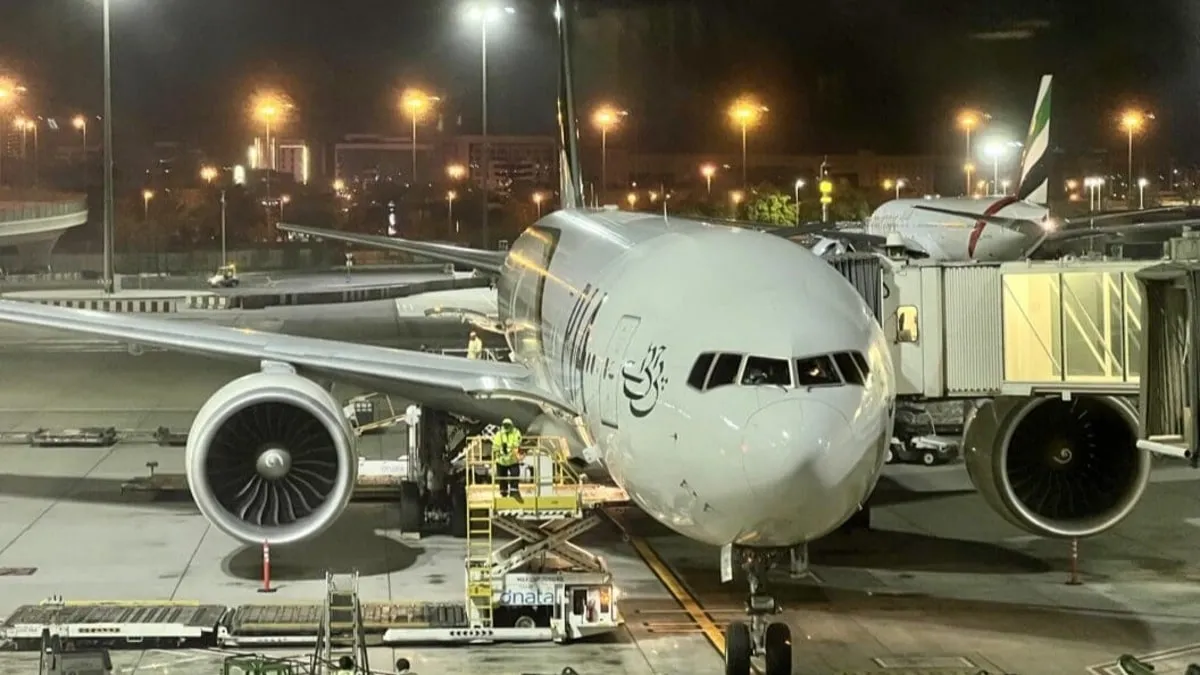
Pakistan Civil Aviation Authority Grants Special Permission to PIA
The Pakistan Civil Aviation Authority has officially allowed Pakistan International Airlines to use aircraft operated by Saudi Arabia's national carrier, Saudia, on a charter basis. This temporary arrangement is designed to transport passengers between Pakistan and Saudi Arabia during a high-demand travel period. The special permission was granted on November 23, 2026, and will remain valid for a period of 15 days.
Under this newly approved operational setup, Saudia aircraft will carry PIA passengers across international routes connecting Pakistan and Saudi Arabia. These operations include scheduled flights to and from major destination hubs such as Jeddah, Madinah, and various other Saudi airports. The collaboration brings together the fleets of both national carriers to manage passenger volumes effectively.
How the Saudia and PIA Charter Arrangement Works
Logistical coordination is a vital component of this temporary charter agreement between the two airlines. The chartered aircraft will operate under Saudia's own airline call sign, SVA, maintaining standard communication protocols with air traffic control during all phases of flight. Meanwhile, passengers wishing to travel on these specific services will book their tickets directly through PIA, using the normal reservation channels of the Pakistani carrier.
To ensure total compliance with national and international aviation standards, the Pakistan Civil Aviation Authority has issued explicit administrative directives. The authority has directed PIA to ensure that the required airworthiness certificates and comprehensive insurance documents are fully in place for the chartered aircraft before any commercial operations begin.
Safety Inspections and Regulatory Oversight by Authorities
Aviation safety remains the absolute priority for regulatory bodies overseeing international commercial air travel. In line with strict protocols, the chartered aircraft will undergo mandatory safety inspections by the Civil Aviation Authority immediately upon arrival in Pakistan. These physical and document checks verify that the foreign-operated equipment meets all operational parameters required for domestic airspace and airport facilities.
Regulatory oversight extends beyond initial ramp inspections to encompass ongoing operational responsibility throughout the duration of the 15-day agreement. Clear boundaries have been established by the aviation regulator regarding liability and administrative accountability for the duration of the charter period.
Operational Responsibilities and Liabilities for Pakistan International Airlines
According to informed sources, PIA will remain fully responsible for any potential damage involving the chartered aircraft while under this agreement. Furthermore, the national airline must handle all passenger complaints and take complete accountability for any aviation accidents that might occur during the operational window. The authority has also instructed the national airline to complete the necessary contractual arrangements as soon as possible to ensure a smooth rollout of services.
This requirement ensures that passenger rights are fully protected and that a clear corporate entity is accountable for service delivery. Finalizing contracts quickly allows the airline to integrate the extra capacity into its schedule without unnecessary administrative delays.
Background on Pakistan and Saudi Arabia Aviation Links
Aviation links between Pakistan and Saudi Arabia represent one of the busiest international corridors in the region. Millions of Pakistani expatriates live and work in the kingdom, while religious tourism brings steady traffic throughout the year for Umrah and Hajj pilgrimages. Seasonal surges often strain the available fleet of the national carrier, prompting temporary measures to boost passenger capacity.
Wet leasing and charter agreements are common industry practices used by airlines worldwide to manage fleet shortages or unexpected maintenance backlogs. By partnering with Saudia, the Pakistani flag carrier gains immediate access to wide-body or narrow-body aircraft without purchasing new assets or waiting for long-term fleet expansion programs.
Impact on Travelers and the Commercial Aviation Sector
For passengers holding tickets with the national carrier, this temporary arrangement prevents flight cancellations and reduces booking bottlenecks during peak travel weeks. Travelers will board planes bearing the call sign of the Saudi carrier while holding boarding passes issued by the Pakistani airline, a common operational model in code-share and wet-lease agreements.
The local aviation sector closely monitors such regulatory approvals, which highlight the cooperation between Middle Eastern and South Asian aviation authorities. Strict adherence to safety checks and insurance verification reinforces public confidence in cross-border airline partnerships.