Prime Minister Shehbaz Sharif Launches Mehfooz Dawa Application
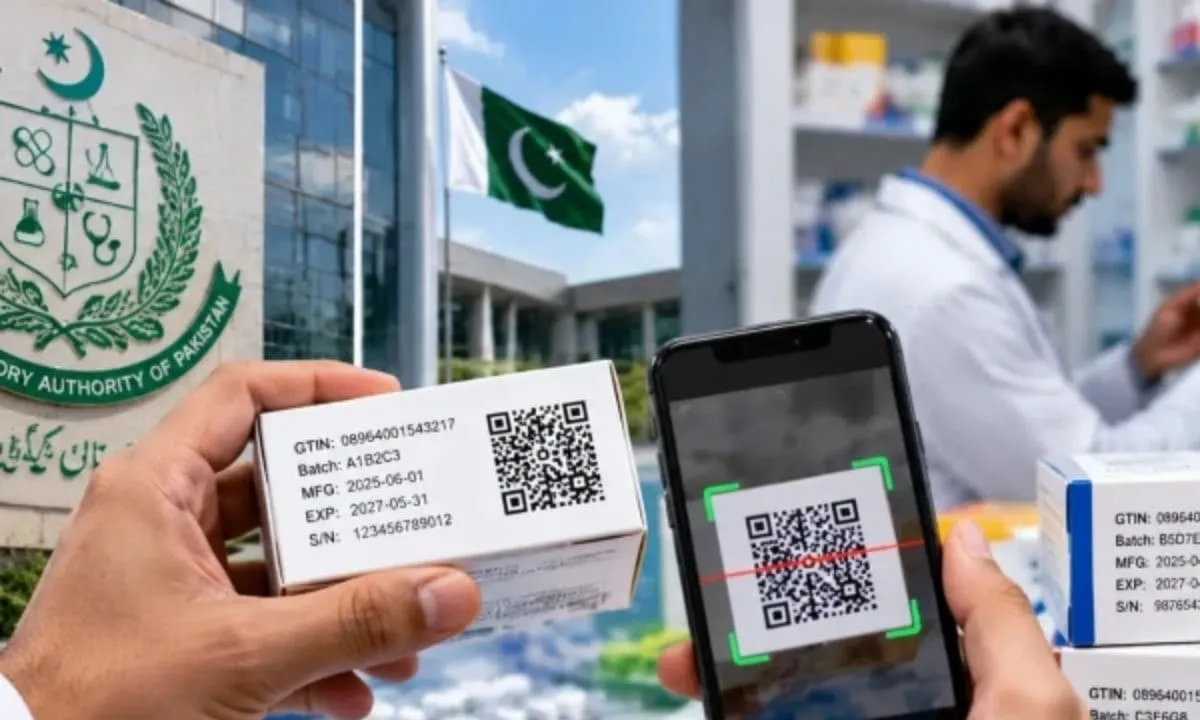
Prime Minister Shehbaz Sharif on Thursday formally launched the Mehfooz Dawa application, which allows people to check whether a medicine is genuine by scanning its packet. The application represents a major technological push by the government to tackle the persistent issue of counterfeit and substandard pharmaceuticals in the domestic market. By empowering everyday consumers with digital verification tools, the administration aims to create a barrier against illicit manufacturing and distribution networks that endanger public health.
The app was developed by the Ministry of National Health Services for tracking medicines. At the launch ceremony, the prime minister scanned a medicine packet using the app to confirm its authenticity. This demonstration highlighted the practical utility of the software, showing how ordinary citizens can use their smartphones to verify critical details about the products they purchase from pharmacies and medical stores across the country.
How the Mehfooz Dawa App Works for Consumers
Addressing the launch event, Sharif said the app will let users verify the authenticity, price and expiry date of a medicine. He described the launch as a major digital step to prevent the sale of fake and substandard drugs, and called it an excellent moment for the promotion of medical facilities in Pakistan. The inclusion of pricing data helps protect buyers from overcharging, while the expiry date check prevents the accidental consumption of degraded or dangerous pharmaceutical products.
The development process involved multiple government bodies working in coordination with industry stakeholders. The prime minister thanked the owners of pharmaceutical industry and officials for their support. He also congratulated Mustafa Kamal, Shaza Fatima, their teams, and the teams of the Ministry of Health and the Drug Regulatory Authority of Pakistan for bringing the tracking system to completion.
Addressing Healthcare Disparities and Public Access
The prime minister said education and healthcare should be equally available to every citizen. Getting medicines is a major challenge for millions of families in the country, he said. While the elite can afford treatment at the most expensive hospitals in Pakistan, the poor struggle to earn a meal, and obtaining medicines is very difficult for them. This stark economic divide places immense pressure on low-income households when illness strikes, making the affordability and safety of pharmaceutical drugs a matter of survival.
Sharif said the initiative was taken by setting personal interests aside, and that history would remember it. He added that past mistakes need to be corrected. Systemic reforms in the health sector require consistent oversight, transparent regulatory frameworks, and a willingness to confront entrenched illicit practices that have historically undermined public trust in medical treatments.
Lessons from Past Pharmaceutical Scandals in Pakistan
Recalling a past case, he said serious negligence had occurred in verifying fake medicines. Samples of medicines meant for heart patients were sent to three laboratories in Europe, which confirmed that the drugs were not for the heart but were medicines for malaria. Such historical failures underscore the urgent necessity of robust tracking mechanisms that leave no room for human error or deliberate falsification in the supply chain.
Counterfeit drugs have long posed a severe hazard in developing nations, where regulatory enforcement can sometimes lag behind sophisticated criminal enterprises. When sub-standard or entirely fake formulations replace life-saving cardiovascular treatments, patients face immediate, life-threatening risks. The introduction of digital verification marks an attempt to decentralize quality control by placing inspection power directly into the hands of the patient.
The Role of Regulatory Authorities and Future Outlook
The Drug Regulatory Authority of Pakistan, alongside the Ministry of National Health Services, plays a central role in overseeing the pharmaceutical sector and ensuring compliance with safety standards. The new tracking application relies on underlying databases managed by these institutions to cross-reference batch numbers, manufacturing origins, and authorized pricing structures. Public cooperation, combined with strict regulatory monitoring, forms the core strategy for cleaning up the commercial medicine market.
As the application rolls out to the public, widespread adoption will depend on digital literacy and smartphone access among diverse demographic groups. Public awareness campaigns will likely be necessary to educate citizens on how to download and use the software effectively during routine pharmacy visits. Observers will be watching to see how thoroughly pharmacies adopt the necessary packaging standards to ensure every box remains scannable and verifiable.