Punjab Cabinet Approves New Laws for Motor Vehicle Transactions
The Punjab cabinet, chaired by Chief Minister Maryam Nawaz Sharif, has approved changes to regulations governing motor vehicle transactions across the province. This official decision was taken during the 38th cabinet meeting, alongside a host of other approvals covering security, infrastructure, and public welfare.
Government officials expect these legislative adjustments to modernise how residents buy, sell, and register automobiles. The provincial administration continues to review administrative bottlenecks that historically slowed down civic services, making this legislative update a focal point for regional transportation policy.
Understanding Motor Vehicle Transaction Regulations in Punjab
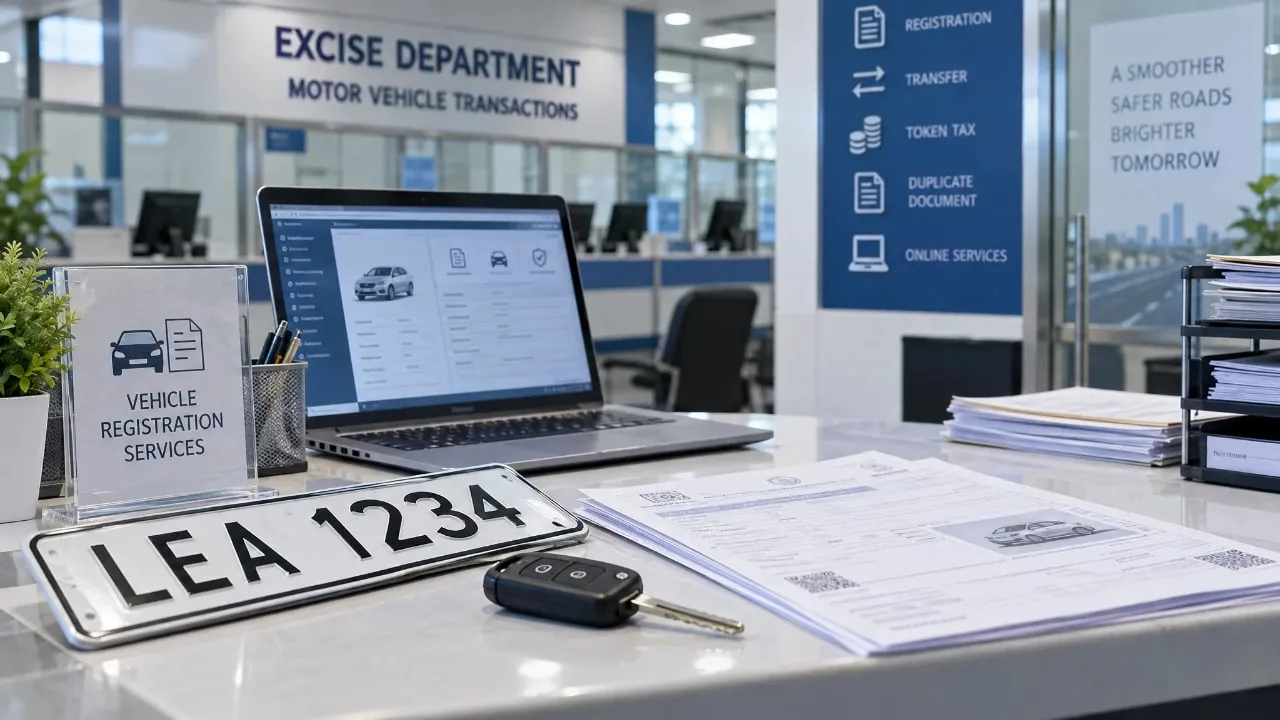
While specific details of the changes were not immediately disclosed, such revisions typically target the registration, transfer, and documentation procedures handled by the Excise and Taxation Department. Citizens engaging in vehicle purchases or sales often encounter complex paperwork requirements that demand multiple office visits.
The Excise and Taxation Department manages vehicle databases, token tax collections, and ownership transfers throughout the province. Officials evaluate these operational frameworks periodically to reduce fraudulent sales and ensure accurate revenue collection for the regional treasury. Modernising these transaction rules forms part of an ongoing administrative transition toward digital record-keeping.
Broader Administrative Reforms by the Provincial Government
The move aligns with the government's broader push toward digital and service-oriented reforms, aimed at reducing bureaucratic hurdles for citizens. Provincial authorities have prioritized digital transformation across multiple departments to cut down waiting times and eliminate intermediaries or agents who exploit system delays.
Administrative transparency remains a core objective for the current political leadership in Lahore. By shifting more services to digital platforms, the administration intends to give vehicle owners direct access to verification portals and status tracking tools without requiring physical office attendance.
Approval of the Punjab Electric Power Regulatory Authority Bill 2026
The meeting also approved the proposed Punjab Electric Power Regulatory Authority Bill 2026, signalling a coordinated effort to modernize the province's transport and energy sectors. This separate legislative initiative addresses regional energy oversight, distribution frameworks, and consumer protection standards.
Energy management in Punjab requires continuous legislative updates to match growing industrial and residential demand. The new authority bill establishes a specialized mechanism for regulating power distribution and pricing structures within the provincial jurisdiction, running parallel to federal energy frameworks.
Impact on Citizens and Businesses in Punjab
Vehicle owners, used car dealers, and transport businesses stand to feel the practical effects of these updated regulations once implementation guidelines are published. Simplifying ownership transfers reduces transaction costs and shortens the time vehicles remain off the road during administrative processing.
Commercial enterprises dealing in automobile fleets require efficient transfer protocols to maintain operational readiness. Removing red tape helps businesses deploy capital faster and improves overall market liquidity for the regional automotive sector.
Next Steps and Implementation Procedures
Following the cabinet approval, the legislative drafts proceed through the standard provincial assembly procedures for formal enactment. Authorities will eventually release detailed standard operating procedures outlining the exact changes to documentation and fee structures.
Residents and automobile traders should watch for official notifications from the Excise and Taxation Department regarding updated forms, digital portals, and transition timelines for pending vehicle transfers.