Punjab Chief Minister Maryam Nawaz Sets 15-Day Deadline for Suthra Punjab
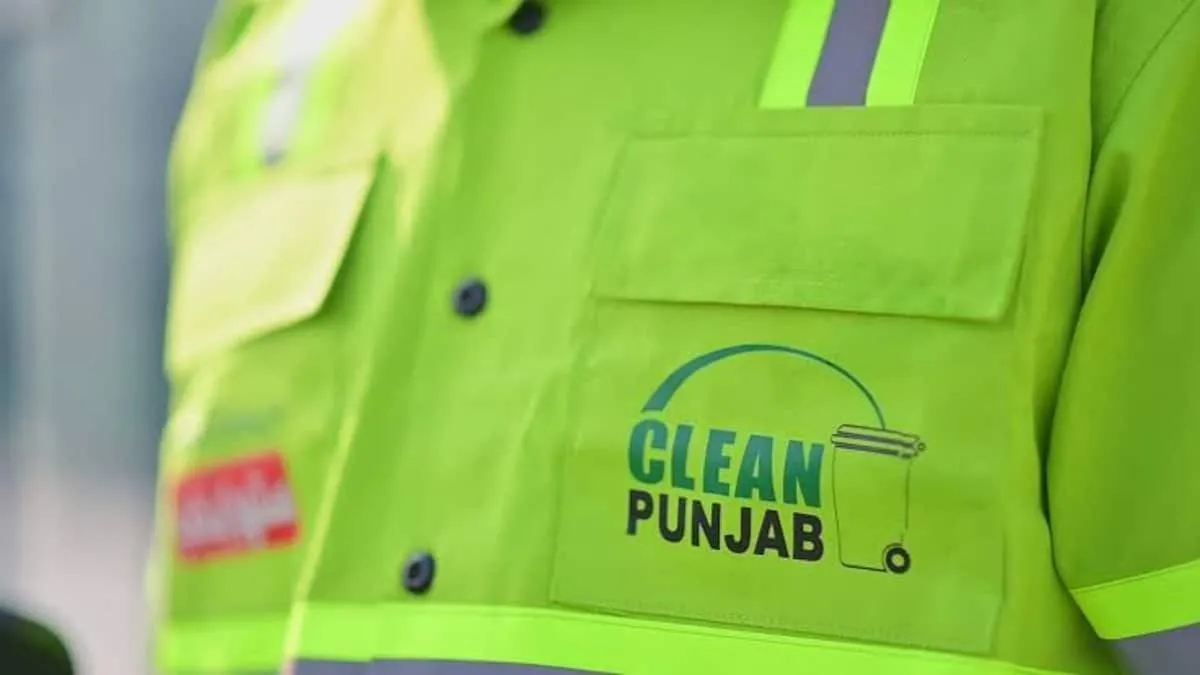
Punjab Chief Minister Maryam Nawaz has given authorities 15 days to achieve a 100% improvement in cleanliness across the province. The strict timeline was announced during a high-level administrative session dedicated to evaluating the ongoing Suthra Punjab program. The provincial leadership aims to transform urban and rural sanitation standards through direct oversight, operational restructuring, and strict accountability for municipal workers and administrative heads alike. The Suthra Punjab program serves as the flagship administrative initiative for managing public hygiene, waste collection, and civic infrastructure maintenance across cities, towns, and villages in the region.
During the special meeting, the chief minister examined the performance metrics of current sanitation operations and ordered immediate measures to strengthen sanitation services in cities and villages. The comprehensive review brought together key administrative figures, including deputy commissioners from various districts who presented their respective progress reports. Officials from Multan, Rajanpur, Dera Ghazi Khan, Hafizabad, and Muzaffargarh detailed their ongoing sanitation challenges and local achievements during the session.
Restructuring Waste Management and Ending External Contracts
A major policy shift emerged from the administrative review regarding how municipal waste is handled across major urban centers. The meeting discussed discontinuing solid waste management firms over unsatisfactory performance. For years, external private contractors and specialized companies have managed trash collection and street sweeping in densely populated urban zones. When these entities fail to meet expected hygiene standards, public dissatisfaction rises, prompting direct government intervention.
Participants in the meeting decided to shift to self-operated waste management in Lahore, Dera Ghazi Khan, Gujranwala, and Faisalabad. By bringing waste collection back under direct government control, officials expect to eliminate bureaucratic bottlenecks and ensure better accountability. Maryam Nawaz also sought a final account of savings achieved through self-operation, signaling a focus on financial prudence alongside operational efficiency. In support of this transition, she asked all deputy commissioners to submit detailed lists of the machinery they need for daily cleanliness operations.
Targeting Urban Pollution and Daily Road Washing
Public cleanliness standards under the Suthra Punjab program extend beyond household trash collection to include public infrastructure and air quality factors. Expressing concern over dust and dirt on roads, the chief minister directed authorities to wash main roads daily. Accumulation of dust on major thoroughfares contributes significantly to urban pollution and degrades the visual appeal of commercial and residential districts. Daily washing schedules require local administrative bodies to mobilize water bowsers and specialized cleaning crews during off-peak hours.
The administrative framework also targets commercial hubs where large volumes of waste are generated daily. Maryam Nawaz ordered measures to penalize people who dump waste in markets, including fruit, vegetable, and grain markets. Authorities must impose fines on anyone who litters after cleaning teams complete their work. Meanwhile, the meeting considered fines for owners of vacant plots where garbage accumulates, though it did not announce a final decision on that proposal.
Staffing Targets, Village Schedules, and Worker Welfare
Achieving total cleanliness across a province as large as Punjab requires adequate human resources and organized scheduling. The meeting set clear targets to ensure every district has sufficient sanitation staff and machinery to handle local demand. For rural areas, Maryam Nawaz directed teams to clean villages on alternate days, establishing a regular routine rather than sporadic interventions. Deputy commissioners must physically verify the machinery and equipment available in their respective districts to ensure that reported assets exist on the ground and function properly.
Worker welfare remains a central pillar of the administrative directives. The chief minister ordered authorities to pay sanitation workers' salaries on time in every city and locality. Prompt wage payments are designed to maintain workforce morale and prevent strikes or operational slowdowns among sanitation staff. Field operations will face intense scrutiny through structured monitoring mechanisms established by the provincial government.
Administrative Accountability and Monitoring Mechanisms
To ensure local administrators maintain high standards, the provincial government relies on structured reporting lines and performance metrics. Maryam Nawaz instructed deputy commissioners and assistant commissioners to meet Field Monitoring Officers every week. Furthermore, she called for Key Performance Indicators to assess the officers' performance accurately. These indicators allow the provincial administration to track responsiveness, cleanliness levels, and equipment utilization across all jurisdictions.
The administrative hierarchy faces immediate deadlines to demonstrate tangible progress under the new directives. A follow-up meeting on Suthra Punjab will take place after one week to review progress on the province's cleanliness drive. This rapid turnaround ensures that local authorities remain focused on the 15-day target and address any emerging operational obstacles without delay.