Punjab Educational Boards Modernize Exams with E-Sheets
Punjab's nine educational boards have decided to conduct examinations for four science subjects using e-sheets next year as part of efforts to modernize the examination system. This digital transition marks a significant shift in how secondary and higher secondary assessments are administered across the region.
The decision came during a meeting of chairpersons of all nine boards in Lahore, where participants also finalized the subjects for on-screen marking in upcoming matriculation and intermediate examinations. Educational authorities aim to streamline the evaluation process and reduce processing times through these technological upgrades.
Details of the Meeting in Lahore
Lahore Board Chairman Professor Badrul Salam chaired the meeting, while Deputy Secretary Higher Education and Lahore Board Secretary Rizwan Nazir also attended. The participants discussed strengthening infrastructure and logistical arrangements across all educational boards to support the new examination system.
Officials reviewed the technical requirements needed to transition away from traditional paper-based evaluations. They also emphasized improving printing facilities and making the necessary arrangements for the effective implementation of on-screen marking. The meeting also considered forming different teams to ensure uniformity, transparency and the use of modern technology in examinations.
Commitment to a Transparent Examination System
Professor Badrul Salam said all educational boards would provide a transparent, standardized and technology-based examination system to make the examination process more efficient and reliable. The adoption of digital answer booklets and computer-based grading aims to eliminate human error and biases in manual scoring.
Authorities across the nine boards are now tasked with upgrading their internal networks and training personnel. Teachers and administrative staff will undergo specialized training to handle digital interfaces securely and efficiently before the exams begin next year.
Background of Educational Board Reforms in Punjab
The educational boards in Punjab oversee millions of students appearing for matriculation and intermediate examinations annually. Managing paper booklets for such a massive student population has historically required vast logistical support, physical storage facilities, and armies of manual markers. Over the years, education officials have sought technological solutions to minimize delays in result declarations and curb administrative bottlenecks.
On-screen marking systems have gradually been introduced in various educational jurisdictions worldwide to enhance accuracy. By scanning physical answer scripts or directly capturing digital inputs, boards can distribute papers to examiners remotely. This approach ensures better oversight and standardizes grading criteria across different districts in the province.
What the Transition to E-Sheets Means for Students
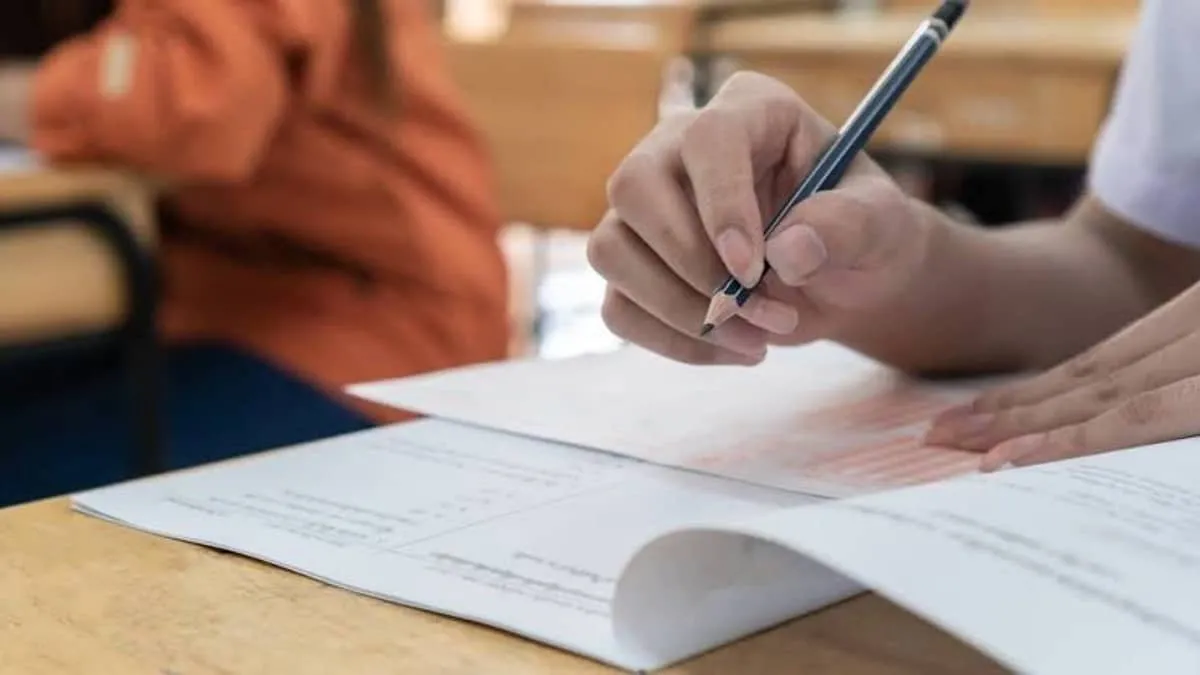
Students appearing for matriculation and intermediate board examinations in the designated science subjects will interact with structured digital layouts. While students will still write their answers, the format of the booklets is designed to align with digital scanning and on-screen evaluation. This standardization helps maintain uniform evaluation standards regardless of where a student takes the test.
Candidates are advised to stay updated through their respective educational boards regarding any preparatory guidelines or sample papers issued ahead of the next academic cycle. Schools affiliated with the nine boards will likely conduct awareness sessions to familiarize students with the new format before the final board examinations take place.
Logistical Preparation and Future Next Steps
Implementing a digital assessment framework requires robust power backups, secure servers, and high-speed internet connectivity across all evaluation centers. The committees formed during the Lahore meeting are actively reviewing hardware specifications and software security protocols to prevent data breaches or system failures during peak grading periods.
As the boards finalize preparations, stakeholders will monitor the rollout of printing facilities and the deployment of monitoring teams. The upcoming examinations will serve as a practical test for the expanded use of digital infrastructure within Punjab's public education framework.