Lahore Faces Potential Roti Shortage as Tandoor Owners Announce Strike
Lahore could face a roti shortage from December 4 as tandoor owners have announced plans to suspend sales in protest against rising flour prices and a crackdown by the Punjab Enforcement and Regulatory Authority (PERA). The looming shutdown threatens to disrupt daily food access for thousands of residents across the city who rely on commercial tandoors for their meals.
The announcement comes after the PERA Force began sealing tandoors using subsidized wheat flour, maintaining that commercial tandoors were not authorized to purchase flour at subsidized rates. Tandoor operators argue that strict regulatory enforcement without addressing underlying supply costs makes business operations impossible under current official pricing rules.
Why PERA Is Targeting Commercial Tandoors
The Punjab Enforcement and Regulatory Authority acts as a provincial oversight body designed to monitor market compliance, price controls, and the proper distribution of subsidized goods. Government subsidy programs aim to provide affordable food options to low-income domestic households through targeted distribution channels. Authorities state that commercial bakeries and tandoors fall outside the intended beneficiary categories for subsidized wheat flour bags.
Inspectors from the PERA Force have recently intensified inspections across Lahore to prevent the diversion of subsidized resources into commercial baking operations. This enforcement drive led to immediate friction between local authorities and baking associations, as inspectors targeted establishments found using state-supported commodities.
Tandoor Association Demands and Roti Pricing Disputes
Mutahidda Nan Roti Association President Aftab Gill said tandoor owners had been selling roti for Rs. 17 when a 10 kg flour bag was available for Rs. 1,100. However, the government subsequently increased the price to Rs. 1,275, altering the financial calculations for small business operators.
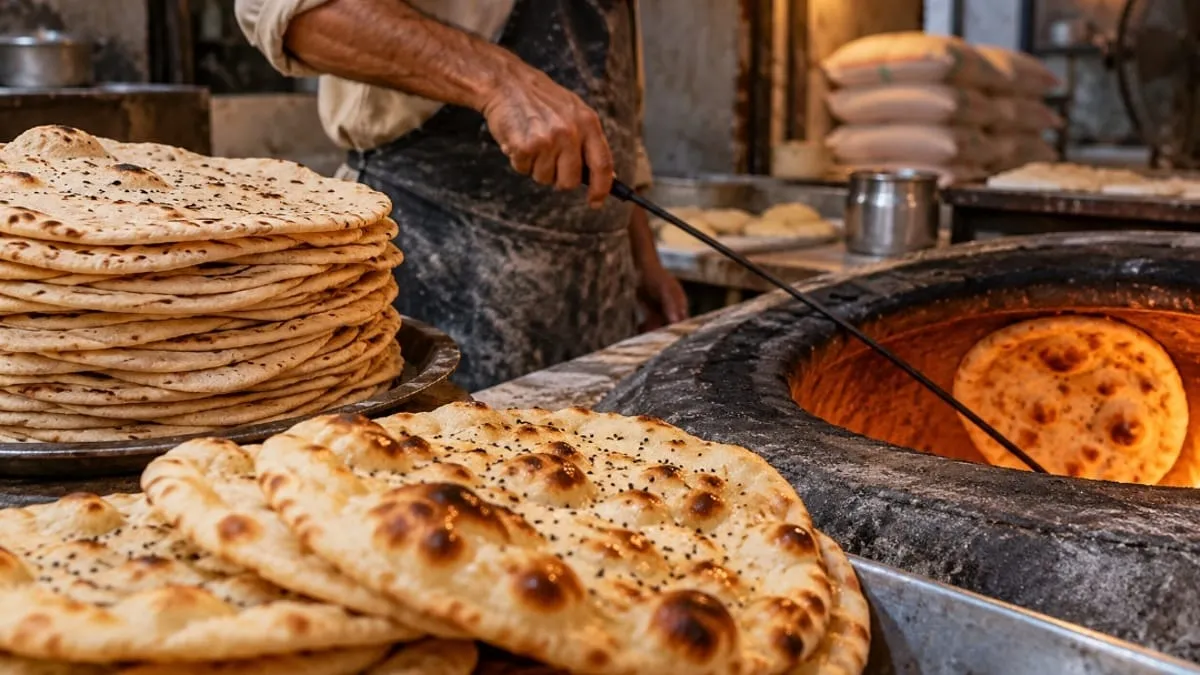
He added that eight tandoors had already been sealed, while rising liquefied petroleum gas prices and ongoing gas load shedding had made it financially unviable to sell roti at the government-notified rate. Operating traditional clay ovens requires steady fuel inputs, and when piped gas supplies fail, owners must purchase expensive alternative fuels.
Scale of Operations and Daily Flour Requirements in Lahore
The association, which represents around 15,000 tandoors across Lahore, has given the government until December 4 to address its demands. The sheer volume of daily consumption highlights the scale of the potential crisis for the provincial capital.
Gill said tandoors across the city require 15,000 flour bags weighing 80 kg each daily, adding that owners could continue selling roti for Rs. 17 if the government ensured the supply of subsidized flour. Without state-backed input costs, business owners maintain they cannot absorb the financial losses.
Protests and Demands Submitted to the Deputy Commissioner
Tandoor owners recently staged a protest outside the Deputy Commissioner Office, demanding an end to the crackdown and access to subsidized flour. Demonstrators gathered outside administrative buildings to voice their frustrations over inspections and the seizure of business premises.
The association has also submitted a written application to the Lahore DC, seeking an increase in the official price of roti to Rs. 30 in view of rising flour costs. Administrative officials now face a strict deadline of December 4 to negotiate a resolution or face a total cessation of tandoor sales across Lahore.