Capital Development Authority Establishes Special Environmental Fund
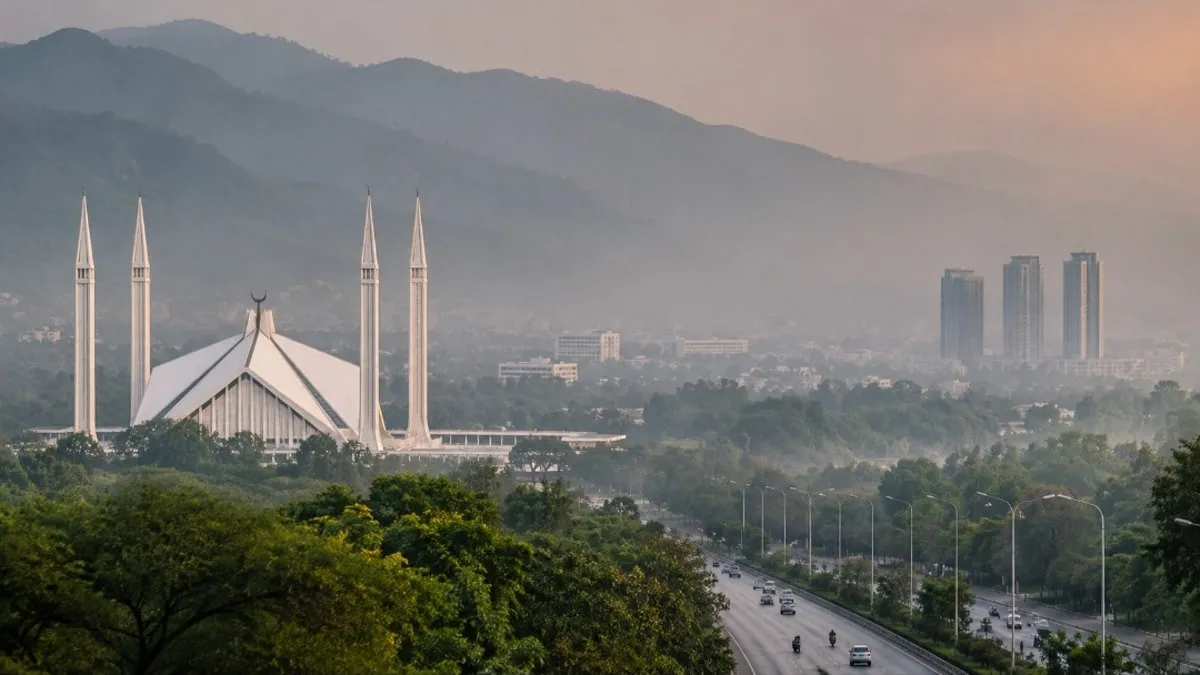
The Capital Development Authority (CDA) has decided to establish a special fund to support smog control, environmental improvement and research projects in Islamabad. This financial mechanism aims to direct resources toward tackling the rising levels of air pollution affecting the capital city and its surrounding regions during specific times of the year.
The decision came during a meeting chaired by CDA Chairman Sohail Ashraf, where officials reviewed the deteriorating air quality indicators. During this session, the administration outlined several strategic interventions designed to address the root causes of urban smog and improve overall public health outcomes for residents.
Air pollution in urban centers has become a pressing concern for municipal authorities across the region. By creating a dedicated pool of money for research and practical control measures, the civic agency hopes to implement targeted solutions rather than relying solely on temporary fixes.
Partnership With NUST for Research and Strategy
As part of the broader anti-smog initiative, officials agreed to sign a memorandum of understanding with the National University of Sciences and Technology (NUST) to address air pollution and develop strategies to reduce smog. Academic collaboration brings technical expertise and scientific data analysis to municipal policymaking.
The CDA and NUST will form a joint committee to oversee environmental initiatives and submit progress reports every two weeks. This oversight mechanism ensures that planned projects move forward without unnecessary administrative delays and maintain strict adherence to environmental benchmarks.
Working alongside a premier academic institution allows the municipal authority to use advanced air quality modeling and meteorological data. Such partnerships help identify specific pollution sources and test innovative remediation techniques before full-scale deployment across the city.
Road Design Revisions and Dust Control Measures
Municipal engineers are shifting their focus toward infrastructure modifications that reduce airborne particulate matter. The authority also plans to revise road designs to improve water drainage and prevent dust and soil from accumulating on roads, which is a major contributor to local particulate pollution.
When vehicles drive over accumulated dirt and mud on shoulders and medians, fine particles are whipped back into the atmosphere. Better drainage systems stop water from eroding unpaved verges onto the asphalt, keeping the road surface cleaner and less prone to dust generation.
Complementing these structural changes, operational protocols on active construction sites are undergoing a tightening process. Other measures include issuing smog alerts through mobile apps, sprinkling water during construction work, monitoring industrial units through cameras and promoting Euro-5 fuel standards.
Tackling Industrial Emissions and Waste Burning
Industrial output and municipal waste management represent major components of the new strategy. The authority will identify sites where people burn waste and take legal action against those responsible, cutting off a frequent source of toxic neighborhood smoke.
Industrial units inside and around the municipal boundaries face stricter surveillance through modern digital infrastructure. Continuous camera monitoring prevents unauthorized burning and illegal emissions during off-hours when enforcement personnel are typically less active.
Manufacturing and brick-making sectors are also transitioning toward cleaner production methods. The plan also covers modern solid waste management, new landfill sites, expanding environmental monitoring and shifting brick kilns to zigzag technology.
Promoting Electric Vehicles and Cleaner Fuels
Vehicular exhaust remains one of the largest sources of nitrogen oxides and fine particulates in urban environments. CDA Chairman Sohail Ashraf said the authority would also take measures to promote electric vehicles in Islamabad as part of efforts to reduce air pollution.
Encouraging the adoption of battery-powered transport requires supportive infrastructure such as charging stations and preferential parking policies. At the same time, phasing out older, dirtier combustion engines in favor of cleaner alternatives helps lower baseline emissions across the road network.
By combining fuel standard upgrades, such as the promotion of Euro-5 fuel, with electrification policies, the administration aims to transform the character of urban transit. These transport-related interventions work alongside waste management reforms and academic research to form a complete defense against seasonal smog.