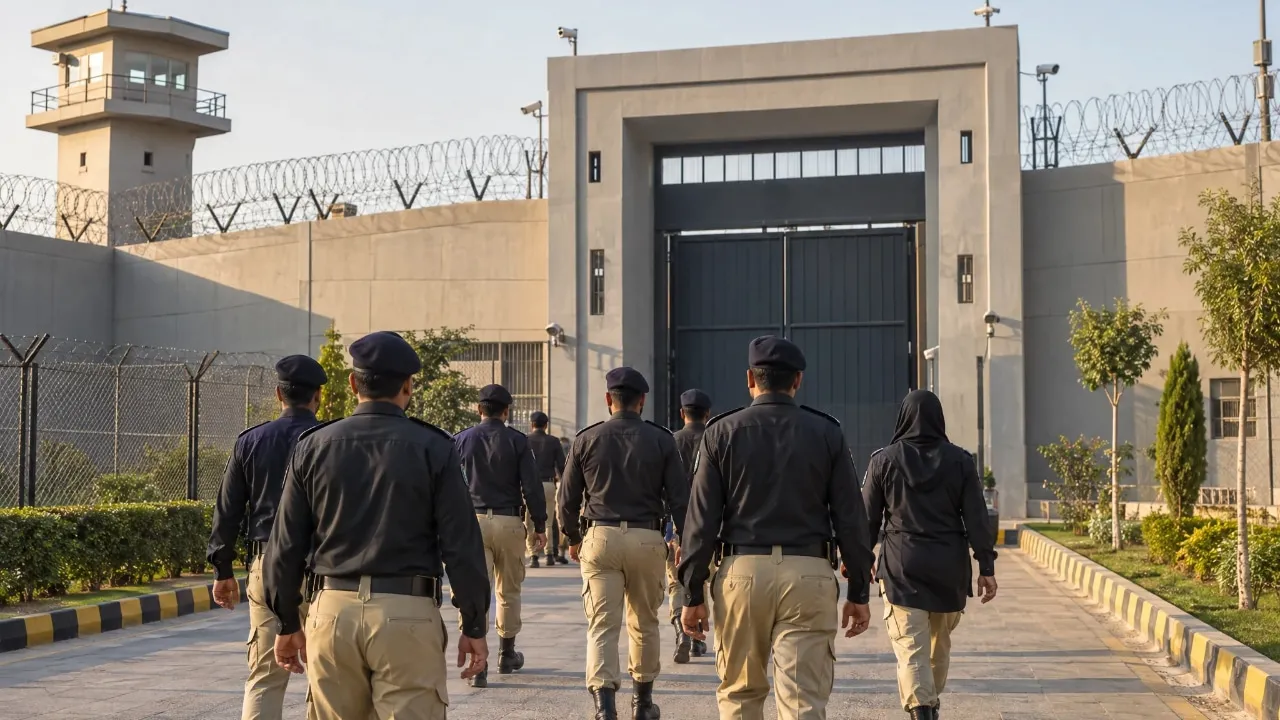
The Punjab cabinet, chaired by Chief Minister Maryam Nawaz Sharif, approved the recruitment of 3,080 new employees for the Prison Department on Thursday during its 38th meeting.
The decision targets long-standing staffing shortages that have hampered security and rehabilitation efforts in the province's correctional facilities.
Why the New Prison Jobs Matter
Punjab's prison system has struggled with chronic understaffing for years. Reports from the Department of Prisons and independent watchdogs have highlighted gaps in guard coverage, delayed inmate services, and heightened risk of contraband smuggling. Adding 3,080 staff members is expected to improve guard-to-inmate ratios, reduce overtime fatigue, and allow more focused rehabilitation programs.
Background to the Recruitment Drive
The recruitment drive is part of a broader effort to strengthen the province's prison infrastructure and improve the management of correctional facilities. Historically, Punjab's prisons have operated with limited resources. The 2019 prison reform commission recommended a 20 % increase in personnel to meet international standards, but budget constraints delayed implementation.
In the past five years, the province has seen several high-profile incidents linked to staff shortages, including a 2022 inmate escape from a central jail in Lahore and a 2023 lockdown at a district prison in Faisalabad due to insufficient guard numbers. These events prompted the current administration to prioritize staffing as a security imperative.
Safe Prisons Punjab Project
Alongside the hiring plan, the cabinet sanctioned additional funds for the Safe Prisons Punjab project. The initiative, launched in 2021, aims to modernize prison infrastructure, install CCTV networks, upgrade cell blocks, and enhance security protocols. Funding for the project had previously been allocated for physical upgrades; the new budget line will also support training for the incoming staff.
Experts say that modern facilities combined with adequate staffing can reduce violence inside prisons by up to 30 % according to a 2020 study by the International Centre for Prison Studies. The Punjab government hopes to replicate those outcomes.
Security Overhaul Extends Beyond Prisons
The prison recruitment is part of a wider security push approved in the same cabinet meeting. The meeting also greenlit the purchase of 50 AI-powered electric vehicles for the Punjab Police and 10 operational vehicles for the Murree Police. These vehicles are equipped with real-time analytics, facial-recognition cameras, and electric drivetrains intended to lower operating costs.
In addition, the cabinet passed amendments to police service rules, signalling a comprehensive reform agenda across Punjab's law-enforcement and correctional sectors. The rule changes include revised promotion criteria, mandatory ethics training, and a new performance-based appraisal system.
Implementation Timeline and Recruitment Process
The recruitment process will be overseen by the Punjab Public Service Commission (PPSC). Advertisements are expected to be published in the official gazette within the next two weeks, with an application window of 30 days. Candidates will undergo written examinations, physical fitness tests, and background clearances before final selection.
Selected candidates will receive training at the Punjab Police Academy in Lahore, where modules on prison management, inmate rights, and emergency response will be delivered. The training schedule is set for a six-month period, after which personnel will be posted to prisons across the province based on need.
Impact on Prisoners and Communities
For inmates, increased staffing can translate into safer living conditions, more access to educational and vocational programs, and quicker response times to medical emergencies. Families of prisoners may see reduced visitation delays as staffing levels improve.
Local communities stand to benefit from reduced risk of prison-related incidents, such as escapes or riots, which can strain emergency services. The procurement of AI-powered police vehicles also promises faster response to crimes, potentially lowering overall crime rates in the region.
What to Watch Next
Key milestones to monitor include the publication of the recruitment notice, the completion of the first training batch, and the disbursement of funds for the Safe Prisons Punjab project. Observers will also track the deployment of the AI-powered vehicles and any reported changes in prison incident statistics over the next twelve months.
Stakeholders such as the Punjab Prisoners' Welfare Association and the Human Rights Commission of Pakistan have called for transparent monitoring of the recruitment outcomes to ensure that new hires meet professional standards.
Overall, the cabinet's approval marks a decisive step toward addressing staffing gaps, modernizing facilities, and enhancing security across Punjab's correctional and policing institutions.