Punjab Greening Drive Brings Flower Avenues to 21 Cities
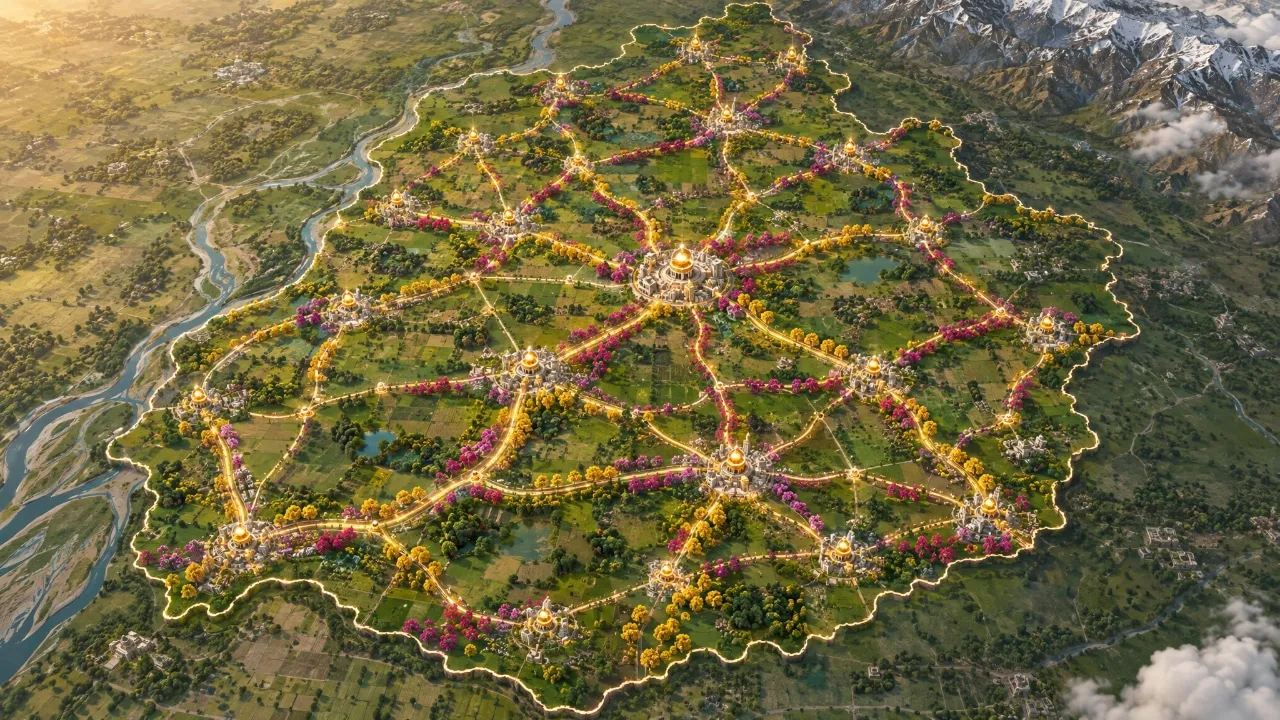
Punjab is launching a massive greening initiative as the Punjab Horticulture Authority maps out a network of dedicated flower avenues spanning 21 cities across the province. This extensive botanical project marks a major expansion in urban beautification, with the remaining 20 districts scheduled to join the effort by January 2027.
Director General Raja Mansoor Ahmad has instructed district agencies to identify suitable roads for avenues lined with golden-yellow amaltas and magenta bougainvillea. This ambitious rollout aims to transform the visual landscape of urban centers at a scale no province has attempted before, bringing ecological and aesthetic benefits to millions of residents.
The 21-City Map and Initial Rollout
The floral corridors will be established initially in cities where horticulture agencies are already operational and equipped to manage large-scale planting. The first phase of this province-wide greening drive covers a diverse geographic spread across Punjab, ensuring that major urban hubs and regional centers alike receive dedicated floral corridors.
The cities included in the initial 21-city map are Lahore, Rawalpindi, Multan, Bahawalpur, Gujranwala, Sargodha, Faisalabad, Sahiwal, Dera Ghazi Khan, Sialkot, Rahim Yar Khan, Okara, Khushab, Khanewal, Nankana Sahib, Jhelum, Muzaffargarh, Sheikhupura, Jhang, Gujrat and Murree. Local agencies in these municipalities are tasked with selecting the most appropriate thoroughfares to host the flowering trees and shrubs.
Expanding Horticulture Agencies to 20 More Districts
Following specific directions from the Chief Minister, the government has established brand new horticulture agencies in the remaining 20 districts of the province. These newly formed bodies will become fully operational by January 2027, effectively placing every single district of Punjab under the comprehensive greening umbrella of the Punjab Horticulture Authority.
This structural expansion ensures that rural and urban peripheries alike will benefit from institutional horticultural management. By establishing dedicated administrative units in every district, the government aims to eliminate disparities in urban greenery between major metropolitan areas and smaller regional towns, creating a synchronized provincial approach to environmental management.
Why Amaltas and Bougainvillea Were Chosen
Plant species selection for the flower avenues was guided by both aesthetic impact and environmental resilience. Ahmad explained that the chosen flora are ideally suited to local soil conditions and weather patterns, ensuring long-term survival with manageable maintenance requirements.
Amaltas, known scientifically as Cassia fistula and locally referred to as the laburnum, produces striking pendent clusters of yellow flowers that suit major avenues, public parks, and wide green belts. Meanwhile, bougainvillea thrives exceptionally well on road medians, dividers, and hedges, offering vibrant magenta bracts that withstand high temperatures and intense sunlight. Both species flourish naturally in Punjab's sunny climate, making them practical choices for municipal forestry departments.
Achieving a Consistent Visual Identity Across Punjab
The province-wide rollout introduces a uniform visual identity designed to bring visual harmony to urban spaces across different municipal jurisdictions. Key elements of this standardization include matching planters and flowerpots placed systematically along major roads, pedestrian footpaths, and central green belts.
To reinforce institutional presence and operational efficiency, field vehicles will feature standardized branding, and field staff will wear designated uniforms. This attention to detail gives urban landscaping a consistent, recognizable look across every participating city, fostering a sense of shared civic pride among residents traveling between districts.
Establishing Commercial Nurseries and Accountability Measures
To ensure the long-term financial and ecological sustainability of the drive, the Punjab Horticulture Authority will set up commercial nurseries in each participating city. These nurseries will propagate regional flora and sell flowers and plants to the general public at affordable prices, encouraging citizens to adopt gardening practices at home.
To maintain high standards of execution, managing directors of local agencies have been instructed to prepare detailed monthly planting plans. Furthermore, authorities have instituted strict key performance indicators to measure ongoing performance against specific targets for tree plantation, public park upkeep, and overall project completion.
Background and Context of Urban Greening in Punjab
Urban forestry and horticulture management have evolved significantly over the past decade in Pakistan's most populous province. Rapid urbanization, industrial expansion, and vehicular growth have placed severe pressure on air quality and public green spaces in cities like Lahore, Faisalabad, and Rawalpindi. Historical municipal approaches often relied on ad-hoc tree plantation campaigns that lacked long-term watering strategies and institutional oversight.
The establishment of dedicated horticulture authorities marked a turning point, shifting urban management from reactive maintenance to proactive landscape architecture. By institutionalizing green spaces through dedicated statutory bodies, the provincial government has sought to mitigate urban heat island effects and combat seasonal smog. The current initiative represents the culmination of years of institutional capacity building, allowing the provincial authority to coordinate simultaneous botanical projects across dozens of municipal boundaries for the first time.
Impact on Citizens, Local Businesses, and the Environment
The large-scale plantation of amaltas and bougainvillea delivers tangible benefits to urban residents, local businesses, and the broader regional ecosystem. Cleaner air, shaded pedestrian pathways, and aesthetically pleasing streetscapes contribute directly to improved mental well-being and physical health for urban populations.
Local small-scale plant nurseries, landscapers, and municipal workers stand to benefit from the increased economic activity generated by the commercial nursery initiative and ongoing maintenance contracts. Environmentally, the expansion of flowering corridors supports local pollinators such as bees and butterflies, contributing to urban biodiversity conservation in densely populated metropolitan zones.
Next Steps and Operational Deadlines to Watch
As the Punjab Horticulture Authority initiates site selection and nursery development across the initial 21 cities, public attention turns toward the intermediate operational milestones. District agencies are currently finalizing their road mapping procedures and monthly planting schedules under the supervision of Director General Raja Mansoor Ahmad.
Observers and residents should monitor the progress of municipal nursery establishment and the rollout of standardized street furniture over the coming months. The ultimate benchmark for the initiative will be the successful integration of the remaining 20 districts by the January 2027 deadline, which will complete the province-wide urban greening network.