Federal Government Starts Recruitment for Finance and National Savings Posts
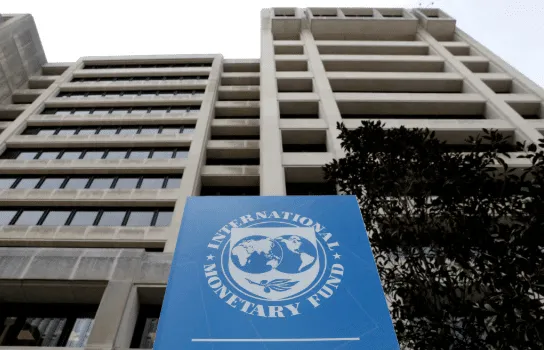
The federal government has started recruitment for three senior positions in the Finance Division and National Savings to strengthen its debt management system under conditions linked to the International Monetary Fund program. This hiring initiative directly responds to structural benchmarks and institutional improvement targets required by international lenders to ensure fiscal discipline and better management of public liabilities.
According to the Finance Division, applications have been invited for Director Operations and Assistant Director Strategy and Operations in the Debt Management Office. These specific roles sit at the center of national fiscal planning, borrowing strategies, and the ongoing monitoring of public sector liabilities. Alongside these openings, the government has also opened recruitment for the position of Director General at National Savings.
December 5, 2026, has been set as the deadline for submitting applications for the advertised positions. Qualified professionals seeking these senior roles must complete their submissions before this cutoff date to be considered by the selection committees overseeing the recruitment process. The Finance Division has initiated the recruitment process for all three posts as part of a formal administrative push.
Understanding the International Monetary Fund Program Requirements
Pakistan works to improve its public debt management framework and strengthen institutional capacity under its commitments to the IMF. Large sovereign borrowing programs typically require participating nations to implement structural reforms. These reforms aim to fix underlying economic weaknesses, improve transparency, and build technical expertise inside core government departments.
Institutional capacity building is a central pillar of modern structural adjustment agreements. By bringing in specialized personnel for critical analytical and operational units, national authorities attempt to satisfy the strict performance criteria set by external financial monitors. Such measures are designed to prevent the recurrence of past fiscal imbalances through better long-term planning.
Role of the Debt Management Office
The Debt Management Office plays an important role in managing government borrowing, monitoring public debt and developing strategies to meet financing requirements. As public debt levels create persistent pressures on national budgets, the office must design sustainable borrowing pathways that minimize costs and risks. This requires sophisticated modeling of domestic and international debt instruments.
Strengthening the office is part of broader efforts to improve debt management, financial planning and oversight of government liabilities. Officials inside this unit track debt servicing obligations, evaluate market conditions for sovereign bond issuances, and advise political leadership on fiscal sustainability. Expanding the staff with dedicated leadership positions helps ensure these complex technical functions operate smoothly.
Leadership at National Savings
Meanwhile, the appointment of a new Director General at National Savings is expected to fill another key position in the government savings and investment management structure. National Savings operates an extensive network of centers across the country, mobilizing domestic savings through various retail investment schemes, defense savings certificates, and pension accounts.
Retail savings mobilization provides the state with an important domestic funding source that reduces reliance on expensive external borrowing. Proper executive leadership ensures that these savings products remain competitive, secure, and attractive to ordinary citizens. The incoming Director General will direct organizational strategy and manage institutional operations for this vast savings network.
Administrative Procedures and Deadlines
The Finance Division oversees the entire administrative process for filling these three vacancies. Interested candidates must review the specific qualification criteria published by the ministry. Recruitment for high-level public sector positions typically involves rigorous screening, professional testing, and interviews conducted by specialized selection boards.
With December 5, 2026, established as the final date for application submissions, the administrative machinery moves quickly to shortlist eligible candidates. Successful applicants will step into high-pressure environments where their daily work directly impacts national economic stability and compliance with international financial agreements.