Punjab ICUs Face Critical Pressure Amid Severe Shortage of 1,600 Ventilators
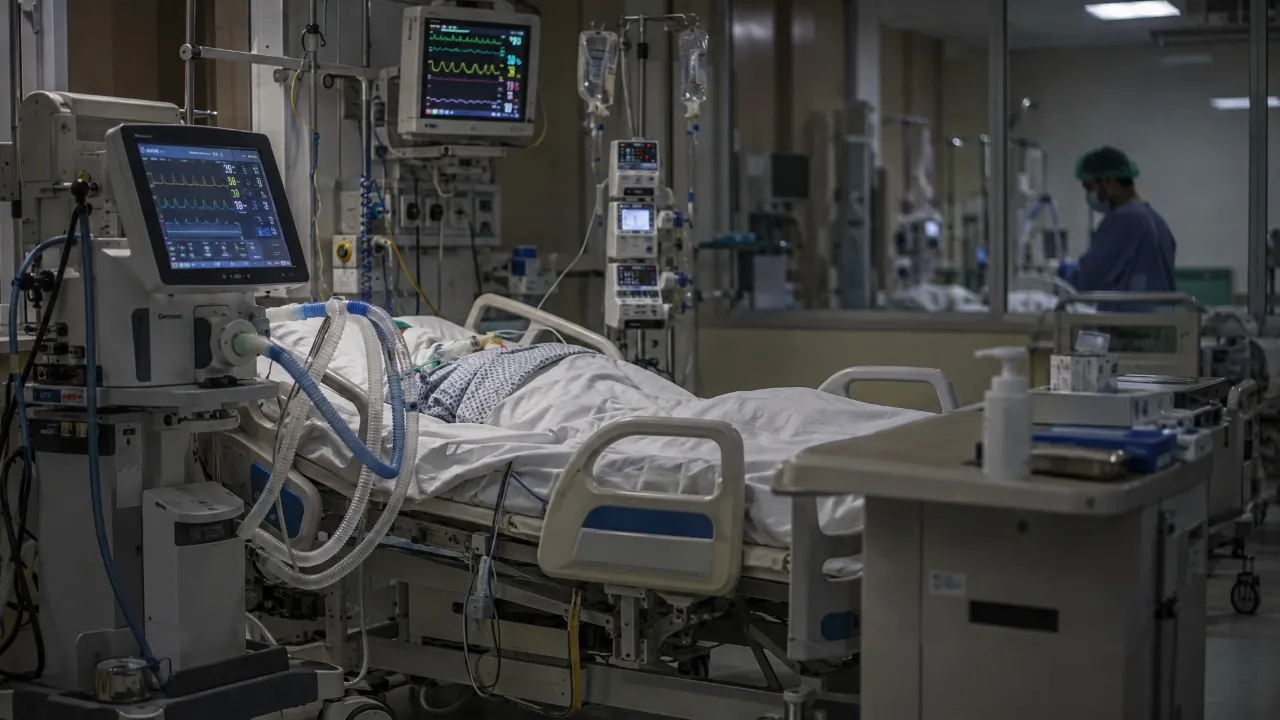
Public teaching hospitals across Punjab are facing a shortage of around 1,600 ventilators, affecting the availability of intensive care facilities for critically ill patients, 24NewsHD TV reported. This severe deficit places immense strain on the public healthcare network, leaving medical professionals with difficult choices when allocating life-saving equipment. Intensive care units in major regional facilities operate under constant pressure, struggling to accommodate the high volume of patients requiring advanced respiratory support.
The lack of adequate equipment directly impacts patient outcomes, particularly for individuals suffering from severe respiratory illnesses, trauma, or post-surgical complications. Healthcare workers must frequently manage situations where demand for critical care beds and mechanical support vastly exceeds supply. The situation highlights ongoing structural challenges within the public health infrastructure of the province, where demand for advanced medical technology routinely outpaces available resources.
Background on Punjab Public Healthcare Infrastructure
Public teaching hospitals serve as the backbone of medical education and specialized healthcare delivery in Punjab. These large institutions handle the vast majority of complex medical cases, drawing patients from both urban centers and rural districts. Intensive care units within these hospitals require continuous investment in advanced technology, trained personnel, and specialized maintenance to remain operational.
Over successive budget cycles, maintaining adequate inventories of critical care machinery has proven difficult due to competing financial priorities and fiscal constraints. Medical administrators often grapple with aging equipment fleets that require frequent repairs, further reducing the number of operational units available at any given time. The current deficit of 1,600 units represents a cumulative shortfall built up over years of delayed upgrades and procurement bottlenecks.
Why Mechanical Ventilators Are Essential in Modern Medicine
Mechanical ventilators are essential for providing life-saving respiratory support to critically ill patients, and the existing shortage is placing additional pressure on intensive care facilities across the province. A ventilator takes over the body's breathing process when disease, injury, or sedation prevents a patient from breathing independently. These machines pump oxygen into the lungs and remove carbon dioxide, buying critical time for medical teams to treat underlying conditions.
In a hospital setting, intensive care units rely on these devices for patients undergoing major surgeries, severe pneumonia, acute respiratory distress syndrome, and major trauma. Without access to a mechanical ventilator, patients experiencing respiratory failure face steeply reduced survival rates. The scarcity of these devices means that hospitals must prioritize cases strictly, creating a precarious environment for medical staff and families alike.
Failed Purchase Plans From the Previous Fiscal Year
The Specialized Healthcare Department's plan to purchase ventilators during the previous fiscal year could not materialise. Administrative hurdles, budgetary adjustments, and supply chain complications frequently disrupt government procurement timelines for high-tech medical equipment. When planned acquisitions fail to clear administrative stages within the designated financial year, budgeted funds often lapse or require reallocation.
Delays in acquiring critical medical hardware leave hospitals vulnerable to sudden surges in patient admissions or seasonal respiratory illness peaks. The inability to execute the previous year's purchase plan directly contributed to the current deficit of 1,600 units. Healthcare advocates have long pointed out that administrative delays in public sector procurement cycles have a direct, measurable impact on patient care capacity.
Current Procurement Efforts for 450 New Units
However, the procurement process for 450 new ventilators has now been initiated for the current fiscal year. The department has also approached the federal government to secure foreign exchange allocation for the purchase. Acquiring specialized medical hardware often involves international vendors and transactions conducted in foreign currencies, requiring formal clearance and currency allocation from federal financial authorities.
Securing foreign exchange is a vital step in finalizing international supply contracts for medical devices that are not manufactured domestically. The Specialized Healthcare Department must navigate these bureaucratic and financial channels to ensure the new equipment order moves from the planning stage to actual delivery. Officials hope that completing this procurement cycle will alleviate some of the pressure currently felt by hospital intensive care units.
Remaining Shortfall and Ongoing Challenges
Despite the planned procurement of 450 ventilators, public teaching hospitals will still face a shortfall of around 1,200 units. Even after the new machinery arrives and is integrated into hospital inventories, the vast gap between required and available respiratory support will persist. This remaining deficit means that intensive care units will continue to operate under strained conditions for the foreseeable future.
Hospital administrators must continue to manage scarce resources carefully while looking for additional avenues to expand critical care capacity. The persistent shortage underscores the need for long-term strategic planning and sustained capital investment in public healthcare infrastructure. Observers note that closing the wider gap will require successive fiscal allocations and consistent administrative focus well beyond the current operating period.