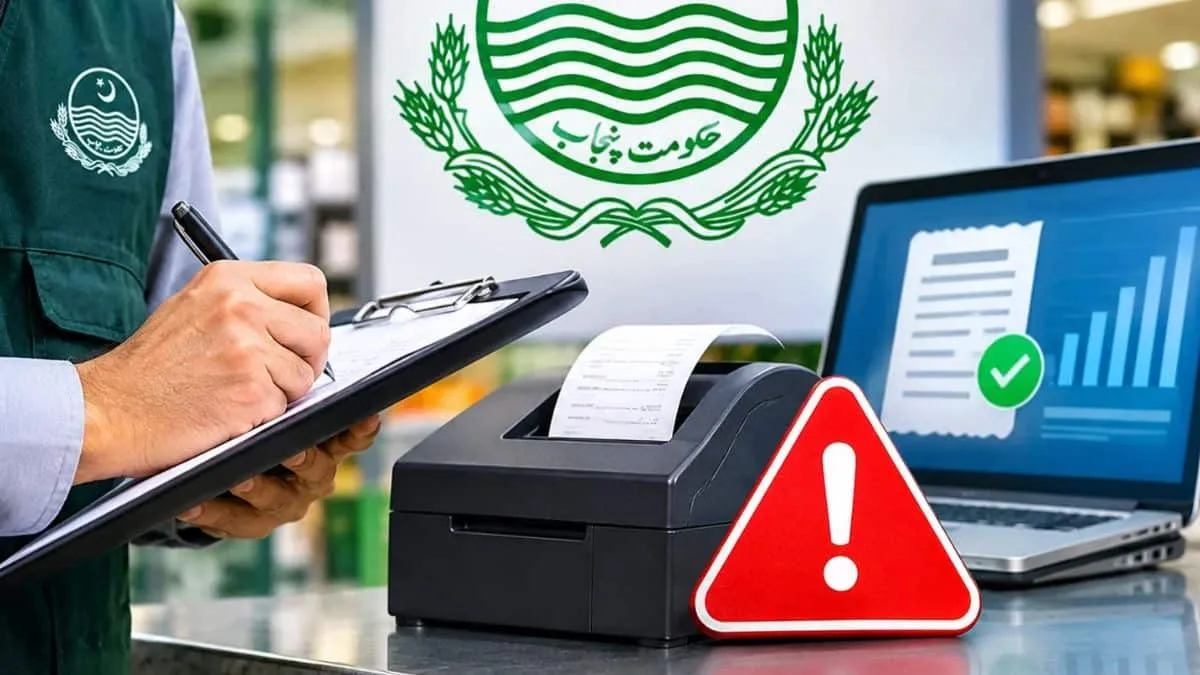
Punjab Revenue Authority Targets Non-Compliant Food Businesses
The Punjab Revenue Authority has issued show-cause notices to more than 65 business operators for violations involving its EIMS digital tax system. In an official statement issued in Lahore, the authority said it was continuing its crackdown on businesses that do not use EIMS. Enforcement officers are closely monitoring installation and use of the system in the Lahore, Gujranwala, Sargodha, Rawalpindi, and Multan divisions.
This coordinated oversight highlights a major administrative push by regional tax regulators to bring the hospitality and dining sector into full compliance with digital reporting standards. Tax authorities have steadily increased scrutiny on commercial entities to ensure that point-of-sale transactions are accurately recorded and reported in real time. The focus on food businesses stems from high cash turnover in restaurants, cafes, and food outlets, which traditionally presents challenges for documentation and accurate revenue reporting.
PRA Warns of Fines for Businesses That Fail to Install EIMS
A PRA spokesperson said businesses that fail to install EIMS will face heavy fines. The authority will also take legal action over tampered sales records, fake receipts, and attempts to conceal tax. It has directed operators to issue computerized receipts to customers and maintain transparent tax records.
The enforcement mechanism relies heavily on the technical capabilities of the EIMS framework, which connects merchant point-of-sale terminals directly to the central database of the revenue authority. When businesses bypass this connection or issue manual slips instead of computerized bills, it creates an audit gap that inspectors are trained to detect. Legal consequences for tampering or issuing fake receipts are designed to deter intentional tax avoidance within the commercial sector.
How the EIMS Digital Tax System Works for Consumers
The spokesperson said customers can scan the QR code on their bill to check the tax they paid in real time. The PRA said the digital system helps prevent tax evasion and makes revenue collection more transparent. It urged businesses to comply with tax laws and use EIMS effectively.
Consumer participation plays an important structural role in verifying tax compliance under this model. By offering a direct method to inspect real-time tax data through mobile scanning, the authority empowers patrons to act as active monitors of commercial tax collection. When a scanned QR code reflects the correct tax registration and payment details, it confirms that the transaction has been officially logged by the revenue department.
Regional Enforcement Divisions and Monitoring Strategies
Enforcement teams deployed across multiple administrative divisions report directly to headquarters regarding installation progress and operational status. Major urban and commercial hubs in Lahore, Gujranwala, Sargodha, Rawalpindi, and Multan form the primary geographic scope of current inspections. Field officers check whether integrated terminals are actively functioning during peak business hours and verify that receipts generated match central server records.
Coordinating inspections across several large divisions requires systematic planning and deployment of trained auditing personnel. Regional offices analyze daily transaction feeds from connected terminals to spot anomalies, sudden drops in reported sales, or prolonged offline periods. These digital footprints guide inspectors on which specific commercial establishments require immediate physical audits and formal show-cause notices.
Legal Framework and Obligations for Food Operators
Commercial food operators registered with the provincial tax agency carry explicit statutory duties regarding documentation and digital integration. Failure to maintain required hardware or software connections opens operators to administrative penalties and formal adjudication proceedings. The issuance of a show-cause notice gives businesses a designated window to explain recorded discrepancies or correct installation faults before punitive financial measures take effect.
Compliance guidelines require complete transparency in financial record keeping, meaning that owners must preserve audit logs and prevent unauthorized modifications to point-of-sale software. Legal actions threatened by the authority target deliberate attempts to underreport earnings or misrepresent sales volumes through unofficial billing channels. Adherence to these mandates safeguards businesses from prolonged litigation and severe statutory fines.