Punjab Introduces Digital Plan After Poor Board Exams Results
Punjab government schools are about to put their trust in an unlikely new teacher, which is YouTube. Stung by poor 9th and 10th-grade board results, the School Education Department has ordered schools to use educational YouTube videos to re-teach difficult lessons to weak students in special after-hours classes, in what is being read as a quiet admission that traditional chalk-and-talk teaching in the classroom simply is not working.
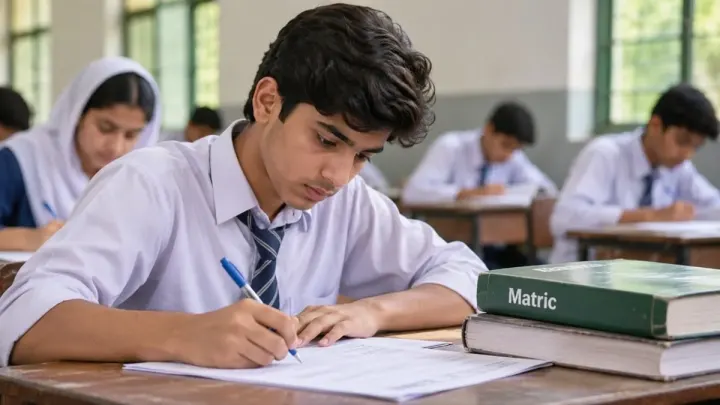
The Secretary of School Education has expressed serious concern over the low pass rate in board examinations and directed officials to accelerate measures to improve next year's results. Educational boards in the region administer standardized testing annually to millions of students, serving as critical milestones for academic progression and future career opportunities. When pass rates drop significantly, it triggers widespread review across administrative tiers, prompting education ministries to search for immediate remedial actions.
The Screen Replaces the Blackboard in Punjab Classrooms
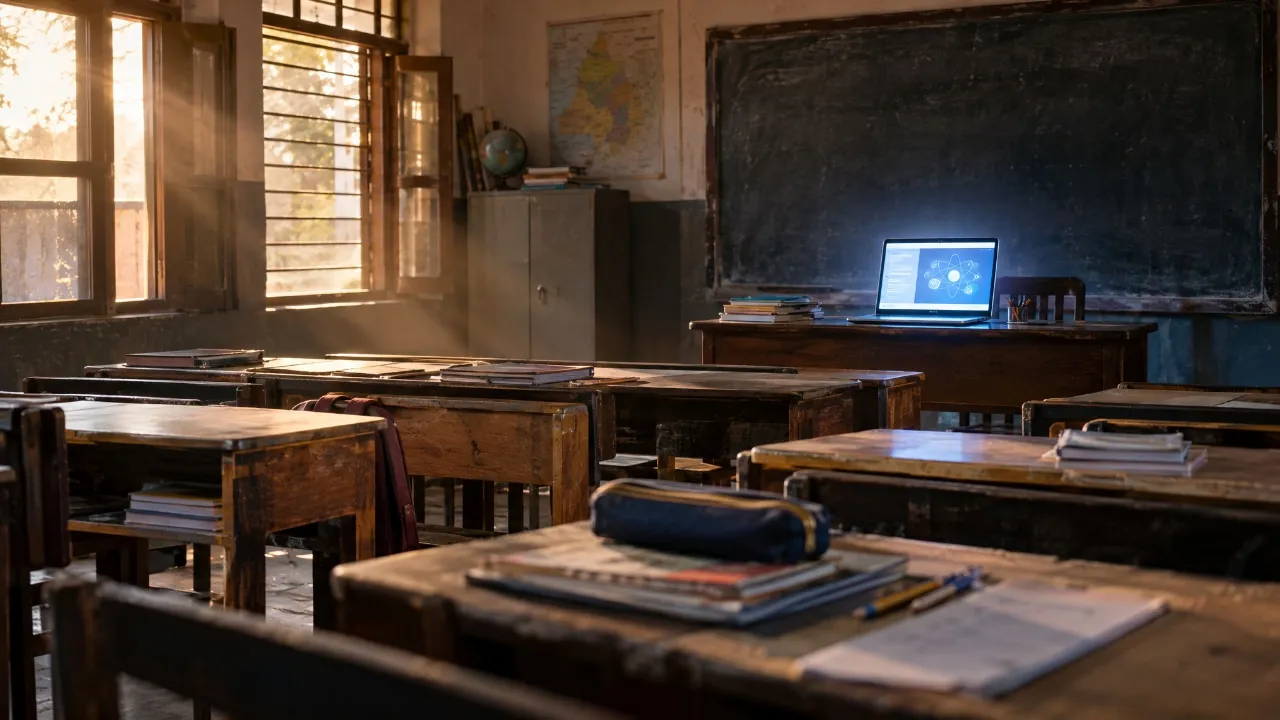
Under the new guidelines issued by the department, difficult subjects and concepts will be repeatedly explained in simple terms, with teachers instructed to lean on educational YouTube videos and modern digital teaching aids. The daily routine is also being overhauled to maximize learning efficiency. Students will receive daily worksheets, handouts and homework, take part in weekly practice of past board papers, and get regular classroom question-and-answer and discussion sessions. Schools have additionally been directed to display educational charts, pictures and diagrams on classroom walls.
This reliance on digital video content represents a significant shift in pedagogical strategy for public institutions. Historically, instruction relied almost exclusively on textbooks and blackboard lectures delivered by local staff. By incorporating curated online video modules, the administration hopes to standardize the quality of explanations for complex scientific and mathematical concepts, ensuring that students in remote or under-resourced areas receive access to high-grade instructional pacing and visual demonstrations.
A Not-So-Subtle Message to Teachers Concerning Performance
The decision to hand catch-up instruction to YouTube has sparked a fresh debate over teacher performance. Parents and critics are asking the same pointed question: if a video can teach the students, what were the teachers doing all this time? The move is widely being seen as the department outsourcing instruction to the internet rather than confronting teaching standards head-on, functioning as a de facto vote of no-confidence in its own classrooms.
Educational analysts point out that public sector educators often face challenging classroom environments, including large student-to-teacher ratios, inadequate training resources, and heavy administrative burdens that detract from instructional time. Introducing digital tools can alleviate some pressure on instructors, yet it also highlights the systemic gaps in professional accountability and classroom execution. Stakeholders across the educational ecosystem continue to debate whether technological supplements can effectively substitute for targeted, one-on-one pedagogical guidance delivered by qualified human instructors.
Monitoring Tightens and Toppers Rewarded Under New Guidelines
To make the plan stick, the department has handed DPIs, CEOs and DEOs strict monitoring duties, with teaching activities to be reviewed during school visits. Administrative officers at the district and divisional levels must now verify that after-hours remedial sessions operate according to schedule and that the prescribed digital aids are actively used. Bureaucratic oversight aims to eliminate lax implementation at the grassroots level, holding headmasters and local supervisors directly accountable for student progress.
At the same time, the administration seeks to foster positive reinforcement alongside administrative pressure. Top-performing students will be encouraged and presented with appreciation certificates, the guidelines add. Recognizing academic excellence publicly provides tangible incentives for high achievers, creating healthy competition within classrooms and motivating peers to elevate their academic standing ahead of the next examination cycle.
Background and Impact on Students Facing Board Exams
The academic hurdles faced by ninth and tenth graders in public schools stem from multi-faceted socio-economic and institutional factors. Many students entering secondary education struggle with foundational literacy and numeracy, making advanced board syllabi exceedingly difficult to master within standard school hours. Poor board results limit higher education prospects, restricting access to quality colleges and professional degree programs, which in turn impacts long-term economic mobility for youth in the region.
By mandating after-hours remedial classes supported by structured worksheets and digital videos, the School Education Department targets the specific learning gaps of underperforming cohorts. Parents and local communities bear the practical responsibility of ensuring student attendance during extended hours, while school administrators must manage facility logistics such as electricity and internet connectivity required to run video displays effectively.
What Comes Next for Punjab Education Authorities
As schools implement the newly minted digital directives, educational authorities will closely track attendance metrics and formative assessment scores leading up to the mid-term evaluations. The ultimate test of the strategy will arrive when the subsequent batch of board examination results is published, revealing whether screen-based catch-up classes and stricter monitoring successfully turn the tide for struggling learners.
District education officials are expected to submit compliance reports detailing the frequency of digital instruction sessions and the distribution of practice papers. In the interim, teachers and administrators must adapt to the dual mandate of regular curriculum delivery and intensive remediation, balancing traditional classroom management with modern technological resources to satisfy the stringent benchmarks set by the provincial government.