Punjab to Install Islamic Signboards Along Major Highways
The Punjab government has decided to install signboards displaying Dua-e-Safar (travel prayers) and Durood Sharif at key locations along major highways across the province. This new administrative directive aims to incorporate religious elements into the public travel infrastructure, marking a specific policy shift in how state roads are marked and maintained for daily commuters.
The decision was made during a meeting chaired by Punjab Minister for Communications and Works Malik Sohaib Ahmed Bharth to review the condition of the province's road network. Provincial transport authorities gathered to discuss comprehensive upgrades, safety measures, and infrastructure management strategies for the vast network of roads connecting major cities and rural districts.
Details of the Provincial Infrastructure Meeting
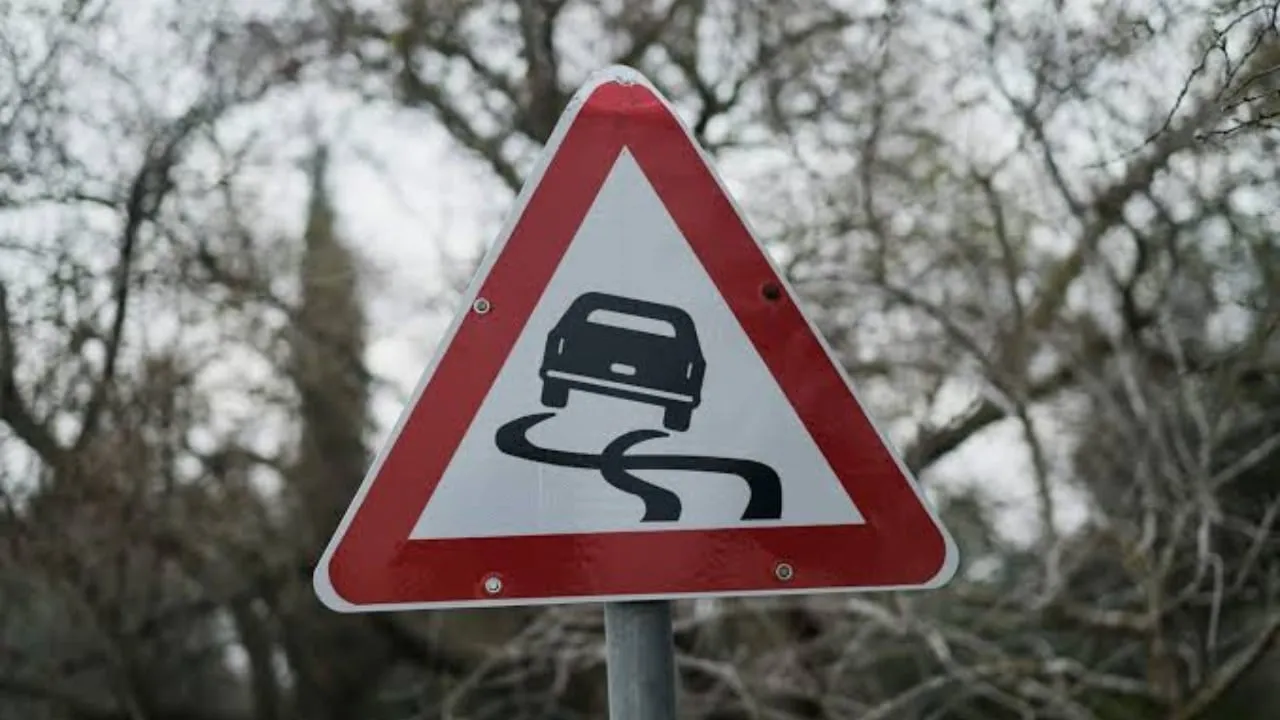
According to a spokesperson for the Communications and Works Department, the minister also directed officials to ensure the installation of traffic signs along all major highways and repair existing outdated signboards. Many secondary and primary routes currently feature faded or damaged signage that poses navigational challenges for long-distance drivers and freight operators.
Communications and Works Secretary Raja Jahangir Anwar and the department's chief engineers attended the meeting. Their presence underscored the technical nature of the review, which covered engineering standards, budgetary requirements, and the physical condition of asphalt and concrete surfaces across the jurisdiction.
Traffic Sign Reviews in Lahore and Surrounding Areas
Authorities will also review the placement of road signs across Lahore and its surrounding areas, while fresh data on existing signboards will be collected. Lahore serves as the administrative capital and transport hub of Punjab, making its urban entry and exit corridors vital test cases for broader municipal and provincial coordination.
Collecting fresh data allows the department to map out missing infrastructure and address urban congestion issues linked to unclear or confusing directional markers. Municipal planners rely on accurate inventories to allocate resources efficiently and ensure that commuter safety standards meet legal mandates.
Road Inspections and Engineering Certifications
The minister further instructed officials to conduct detailed inspections of major highways and submit certificates documenting the condition of each road. These formal certifications require engineering teams to physically verify the structural integrity of the pavement, bridges, and drainage systems before filing official compliance reports.
Detailed inspections help prevent structural failures by identifying potholes, shoulder erosion, and sub-base damage before they require expensive emergency interventions. Accountability measures are tied directly to these engineering sign-offs, holding regional directors responsible for the safety of assigned road sections.
Cost Comparisons for Provincial Road Repair Methods
He also directed authorities to prepare road repair plans with estimated costs and compare the expenses of different road repair methods, including TST, carpeting, and PCC. Financial prudence remains a central concern for the ministry as it evaluates the long-term durability of various engineering techniques against upfront construction budgets.
Different repair methods suit different traffic volumes and weather conditions found across the province. Surface treatment methods like TST, traditional asphalt carpeting, and Portland Cement Concrete offer varying lifespans and maintenance costs, requiring careful economic analysis by civil engineers.
Background on Punjab Road Network Management
The Communications and Works Department oversees thousands of kilometres of provincial highways, farm-to-market roads, and urban arterial routes. Managing this infrastructure requires continuous coordination between regional offices, central planning boards, and provincial financial authorities who disburse funds based on submitted project proposals.
Over the years, the provincial administration has faced challenges related to overloaded freight transport, seasonal monsoon damage, and delayed maintenance cycles. Policy decisions to integrate religious inscriptions alongside standard traffic regulations reflect a broader cultural approach to public administration in the region.
What Happens Next for Punjab Highways
Following the directives issued by the minister, regional engineering teams must complete their physical inspections and submit the mandated road condition certificates to the central office. Officials are expected to finalize the inventory of existing signboards in Lahore and surrounding districts while drafting the upcoming financial year proposals.
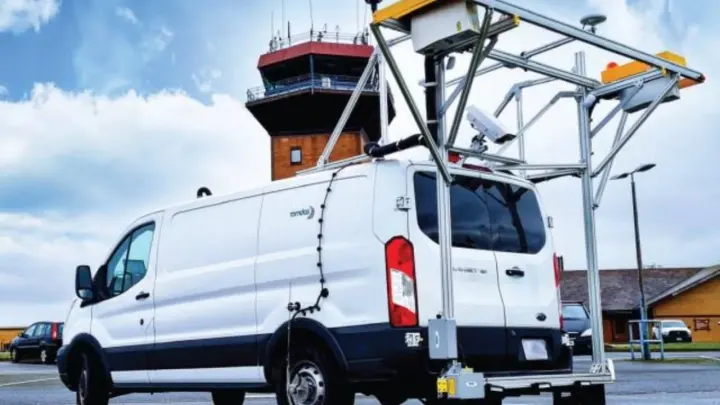
Citizens and motorists should watch for increased surveyor activity and maintenance crews along major transit corridors as data collection begins. The final rollout schedule for the new travel prayer signboards and general traffic sign repairs will depend on the approval of the newly compared repair cost estimates.