Punjab Urial Hunting Season Threatened by Federal Delay
Pakistan trophy hunting faces fresh uncertainty after the federal Ministry of Climate Change and Environmental Coordination did not allocate this year quota, a lapse that is expected to disrupt hunting season arrangements in Punjab, other provinces, and GilgitBaltistan.
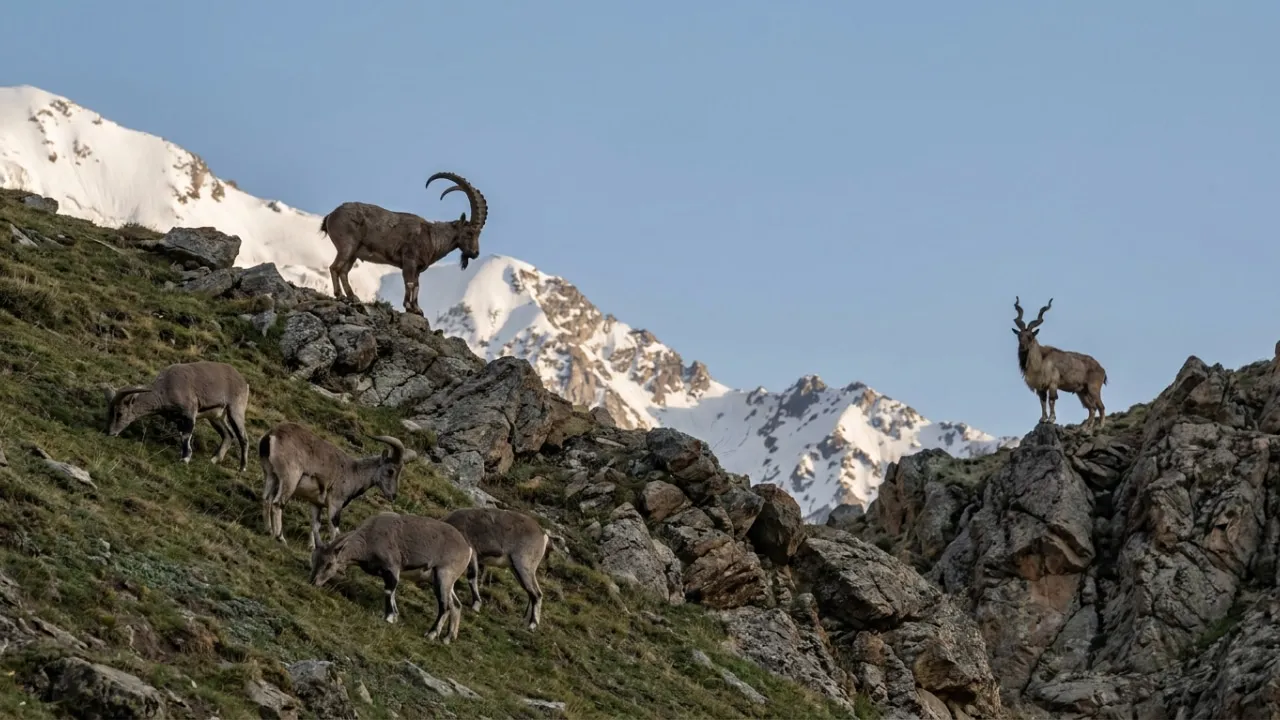
Punjab Urial trophy hunting season runs from December 1 through March and normally draws foreign hunters. Despite the Punjab Wildlife Department sending a letter seeking a quota after completing its Urial survey, the approval had still not come through, raising the risk that permit auctions and other arrangements will not be completed on time.
Understanding the Quota Approval Process
The federal climate ministry allocates trophy hunting quotas for Punjab, Balochistan, and Khyber Pakhtunkhwa, while a separate federal quota is also set for GilgitBaltistan. A senior Punjab wildlife official said only one federal level meeting on quota distribution has been held so far, and it produced no final decision.
The official warned that the delay in quota approval could affect trophy hunting arrangements and the timely start of the season. Provincial departments depend entirely on these federal allocations before they can schedule any public notices or begin interactions with international outfitters and sportsmen.
How the Auction System Works
Once a quota is allocated, the provincial department publishes an auction advertisement in newspapers, a process that requires at least 15 days. Bids are then received from hunters and outfitters before the auction is completed. The delay means Punjab cannot yet begin that sequence, leaving the season for one of its flagship conservation linked hunts in limbo.
The province currently has four community based conservancies registered under its Urial conservation and trophy hunting program. These local bodies rely on the structured timeline of auctions to prepare local guides, secure lodging, and brief participants on strict bag limits and conservation protocols.
Economic Impact of Last Year Hunt
Punjab was allocated a quota of 16 Urial permits for trophy hunting last year, which the provincial wildlife department sold through auction. In January 2025, when the program resumed after a two year break, the 16 permits were sold for a total of $328,000. The price per permit was $20,500, with an additional fee of $500, bringing the total value of each permit to about $21,000.
The auction generated roughly Rs. 91.5 million in revenue for Punjab Wildlife last year. About 80 percent of the proceeds were earmarked for local community based conservancies to support wildlife conservation, monitoring, and breeding measures. This financial influx provides a vital economic engine for remote rural areas where alternative sources of income remain scarce.
Trophy Hunting Quotas Across Other Provinces
Balochistan was allocated 4 Sulaiman Markhor, 12 Afghan Urial, 34 Blandford Urial, 34 Sindh Ibex, and 8 Chinkara gazelle permits last year. Khyber Pakhtunkhwa auctioned quotas for 10 Markhor, 31 Ibex, and 6 Grey Goral under its 2025 hunting program, while the auction of 9 non exportable Markhor permits brought in reported revenue of $553,000. GilgitBaltistan set quotas last year for 4 exportable Astor Markhor permits, 8 exportable and 6 non exportable Blue Sheep permits, and 50 exportable and 50 non exportable Himalayan Ibex permits.
Each regional administration coordinates with local wildlife boards to ensure that animal populations remain stable before requesting permits from Islamabad. The multi province framework requires careful synchronization between federal environment overseers and provincial forestry ministries to prevent overharvesting of rare mountain ungulates.
Revenue Split and Community Conservation Model
The Senate Standing Committee was told in June 2026 that 80 percent of trophy hunting program revenue goes to local communities while 20 percent goes to the government. Federal climate ministry officials said the provincial trophy hunting quota would be announced soon. The trophy hunting program is tied to wildlife conservation, local community participation, and the financial resources of community conservancies, with most of the auction proceeds used to keep local communities engaged in conservation, monitoring, and breeding efforts.
By giving villagers a direct financial stake in protecting wild animals from poachers, the initiative turns former hunters into dedicated stewards. Without timely quotas, community leaders warn that local support for conservation programs could wane if alternative economic incentives are not provided during the interim period.