Rockstar Games Reveals GTA 6 Cut Features
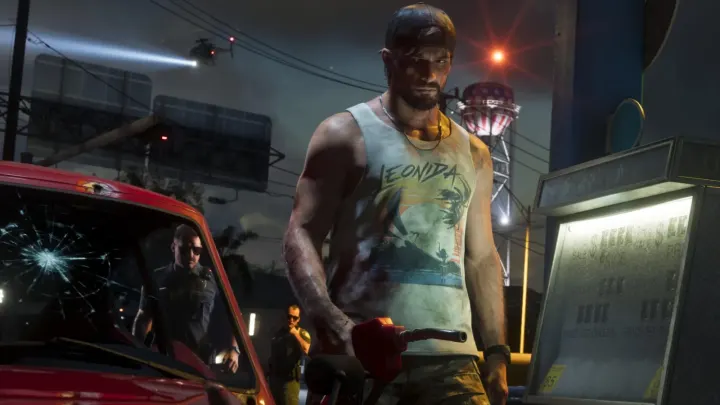
Rockstar Games has officially revealed five GTA 6 cut features that did not make it into the final release of the game. Tennis nearly returned from GTA 5, while protagonists Jason and Lucia could have furnished their homes, crafted items, or dropped to the ground and crawled. The pair also missed out on a night at the cinema or theatre during their time in Leonida.
Early reviews praised the sheer number of things to do in Leonida, and since release, players have singled out how much they can interact with the people who live there. That last detail helps explain one of Rockstar's cuts. When the developers considered letting Jason and Lucia take in a show, they wanted to give players more to do than simply watch a performance.
The decision to leave out certain mechanics highlights the rigorous editorial process that major game studios undergo before shipping a massive open world title. As developers balance ambition with technical constraints and thematic consistency, many promising ideas end up on the cutting room floor. This background reveals how complex modern game development has become, especially for a studio aiming to set new industry standards.
Understanding these omissions offers insight into how Rockstar builds its virtual worlds. Every activity must serve a purpose, either by advancing the narrative or by deepening the simulation of the environment. When a feature fails to meet those internal thresholds, the team removes it, regardless of how popular it was in previous iterations.
Why GTA 5s Tennis Minigame Missed the Cut
Rockstar's head of development, Rob Nelson, and design producer Scott Mitchell discussed the cuts in an interview with PCGames.de. The pair confirmed that Rockstar initially planned to bring tennis back for the new installment. Although GTA 5 earned praise for its tennis minigame, the team could not settle on a version it was happy with for GTA 6.
Tennis was a popular side activity in Los Santos, allowing players to take a break from criminal escapades and engage in a fully simulated match with physics and stamina mechanics. Replicating that success required significant development resources. When the new engine and gameplay priorities shifted, the sport did not make the final cut.
The absence of tennis shows that developers do not simply copy and paste systems from older games into new ones. Every mechanic must be rebuilt to match updated engine physics, character models, and world design principles. If a legacy feature feels disconnected from the new setting, the studio often decides to abandon it entirely rather than ship a subpar experience.
Players who enjoyed recreational sports in previous titles might miss the racquet action, but the vast array of other activities in Leonida helps fill the gap. The decision reflects a conscious choice to focus energy on mechanics that align better with the lives of Jason and Lucia.
Other Mechanics Left Out of the Open World
Rockstar also considered letting Jason and Lucia go prone and crawl, choose furnishings for their homes, and craft items. Nelson and Mitchell said some of those ideas did not fit the story or gameplay. They did not specify which concern applied to each individual feature.
Prone crawling is a staple of many tactical military shooters and stealth games, allowing characters to lower their profile in grass or behind low cover. While it might have added depth to gunfights, the team evidently decided it was unnecessary for the core flow of missions. Similarly, home furnishings and crafting are popular in survival and roleplaying genres, but they might have slowed down the pacing of a cinematic crime story.
These mechanics require complex UI design, inventory management, and persistent world tracking. Implementing crafting systems means balancing resource gathering, recipes, and utility, which can pull players away from the main narrative drive. By leaving crafting out, the developers kept the focus squarely on high-stakes criminal drama rather than survival chores.
Home customization presents another logistical challenge in a sprawling open world where characters move between safehouses and motels. If players cannot reliably settle down in one permanent location, buying furniture loses much of its appeal. The studio likely weighed these factors before dropping the concept from the production schedule.
Why Cinema and Theatre Visits Were Cancelled
Cinema and theatre visits fell short because Rockstar wanted more interactivity for the audience. That decision stands out given what players could do at shows in earlier Rockstar games. In GTA 4, players could visit a comedy club and catch sets by real comedians, including Ricky Gervais and Frankie Boyle. Red Dead Redemption 2 went a step further, allowing Arthur Morgan to take a seat at the theatre and actively interrupt the act.
The progression from passive viewing in early titles to active participation in later ones raised player expectations. Simply sitting in a dark room watching a looped video file no longer satisfies modern design standards. If players cannot influence the show or interact with the crowd in meaningful ways, the feature risks feeling hollow.
Developing fully realized virtual plays or films requires substantial writing, motion capture, and animation talent. When the team realized the scope required to make theatre visits engaging enough, the resources were likely redirected elsewhere. Every hour spent animating a stage play is an hour not spent on core gameplay loops or mission variety.
The legacy of entertainment venues in these virtual worlds remains strong despite the cuts. Fans still fondly remember heckling comedians in Liberty City or watching silent films in Saint Denis. Even though Jason and Lucia missed out on a night at the movies, the state of Leonida offers plenty of other diversions.
The Future of Modding and Unreleased Content
A future PC release could give modders a chance to revisit some of these abandoned ideas. Whether anyone will bring tennis back to Leonida, or give Jason and Lucia that night at the movies, remains an open question. Modding communities have a long history of restoring cut content, adding custom animations, and building entirely new gameplay loops into open world sandboxes.
PC versions of major titles traditionally unlock unprecedented access to game files, script engines, and asset directories. Talented programmers often find remnants of deleted code, placeholder textures, and unused audio lines left behind by developers. These discoveries allow modders to reconstruct what the creators originally envisioned before time constraints or design shifts forced them to stop.
Bringing back complex systems like tennis or prone crawling through community mods requires immense technical skill. Modders must write custom scripts to handle physics collisions, input mapping, and character state machines. Despite the hurdles, dedicated fans frequently succeed in resurrecting features that official developers left behind.
As the gaming community awaits further updates and eventual platform expansions, discussions surrounding these cut features will continue to shape public fascination. Knowing what almost made it into the game provides a rare window into the creative turmoil of high-budget game design. Players can only imagine how Leonida might have felt with tennis courts and fully interactive theatres populating the map.