Cricket Australia Expands Sandpapergate Investigation to the 2017-18 Ashes
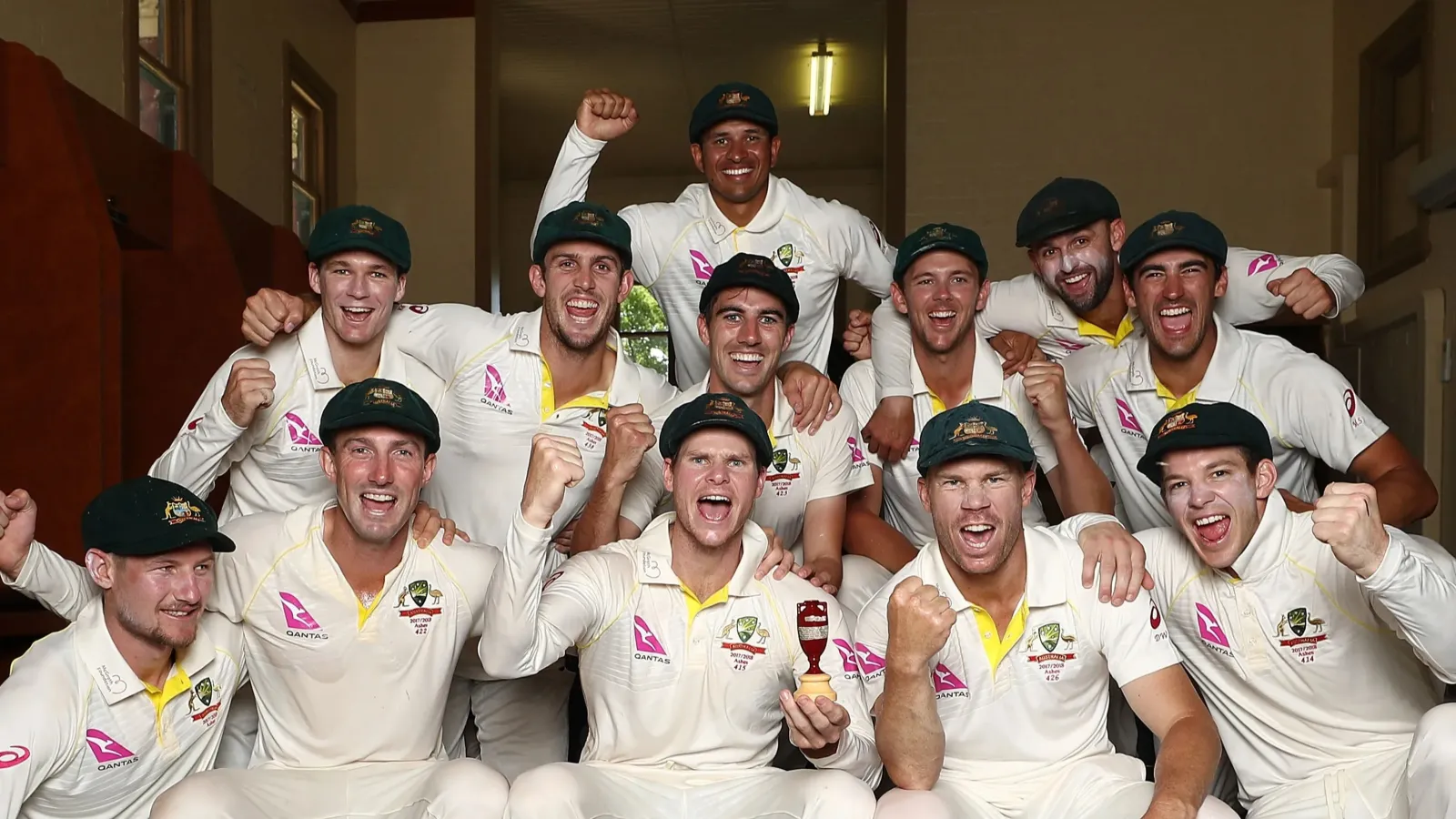
Cricket Australia has widened its ongoing probe into the infamous Sandpapergate scandal to include the 2017-18 Ashes series against England, following a series of explosive claims made by former batsman Usman Khawaja. The governing body announced that its independent forum, initially established to review the 2018 tour of South Africa, will now cover the entirety of the 2017-18 domestic and international season.
The bombshell development places renewed scrutiny on a period when Australia dominated England, securing a 4-0 series victory to reclaim the urn. Senior Australian barrister Fiona McLeod will oversee the independent forum, where current and former players and staff members have been given a six-week window to provide confidential accounts of events without fear of professional or personal repercussions.
The Origins of the Renewed Controversy and Usman Khawaja's Book
The renewed investigation stems directly from revelations published in Usman Khawaja's recently released autobiography, titled Sabr. Within the pages of the book, Khawaja claimed that knowledge of the ball-tampering plot during the 2018 tour of South Africa extended far beyond the three players who ultimately received formal punishments from the governing body.
The original scandal sent shockwaves through international cricket in March 2018 during the third Test match in Cape Town. Television cameras caught opening batsman Cameron Bancroft using yellow sandpaper to alter the condition of the match ball on the field.
Previous Penalties and the 2018 Cape Town Fallout
The immediate fallout from the events in Cape Town led to heavy sanctions from Cricket Australia. Cameron Bancroft received a nine-month ban from international and domestic cricket for his direct role in using the sandpaper on the pitch.
At the same time, then-captain Steve Smith and vice-captain David Warner were handed severe one-year suspensions from the sport. The incident also prompted a cultural review within Australian cricket, leading to promises of greater transparency and reformed standards of behavior within the national team setup.
Cameron Bancroft and Alastair Cook Add Further Allegations
The expansion of the inquiry follows additional claims made by figures from both the Australian and English camps regarding earlier matches. Cameron Bancroft previously claimed that he was encouraged to manipulate the quarter-seam of the ball during his Test debut against England in Brisbane in November 2017.
Furthermore, the fresh allegations have brought renewed attention to former England captain Sir Alastair Cook's 2019 autobiography. In his book, Cook recalled a specific conversation with David Warner concerning the use of substances concealed inside finger strapping to alter the condition of the ball during matches.
Player Responses and Denial of Prior Knowledge
In response to the mounting allegations, David Warner has publicly called for credible evidence to substantiate the claims being made against him and others. Meanwhile, members of the Australian bowling quartet comprising Pat Cummins, Mitchell Starc, Josh Hazlewood, and Nathan Lyon have consistently denied having any prior knowledge of the sandpaper plot in South Africa.
Cricket Australia leadership has emphasized that the current forum is designed to gather historical truth rather than enforce retroactive penalties. The governing body confirmed that it remains committed to publishing the resulting report and its accompanying recommendations in full once the review concludes.
Structure and Terms of the Independent Forum
The independent forum overseen by Fiona McLeod operates under strict confidentiality guidelines to encourage candid testimony from participants. Cricket Australia chairman David Boon insisted that the welfare of those involved remained the central priority of the entire process.
Boon explicitly clarified the limits of the investigation by stating that the review will not seek to sanction or recriminate anyone who comes forward. Participants have six weeks to share their accounts with the panel before the final report is compiled and released to the public.