Russia to Share Space Technology With Pakistan
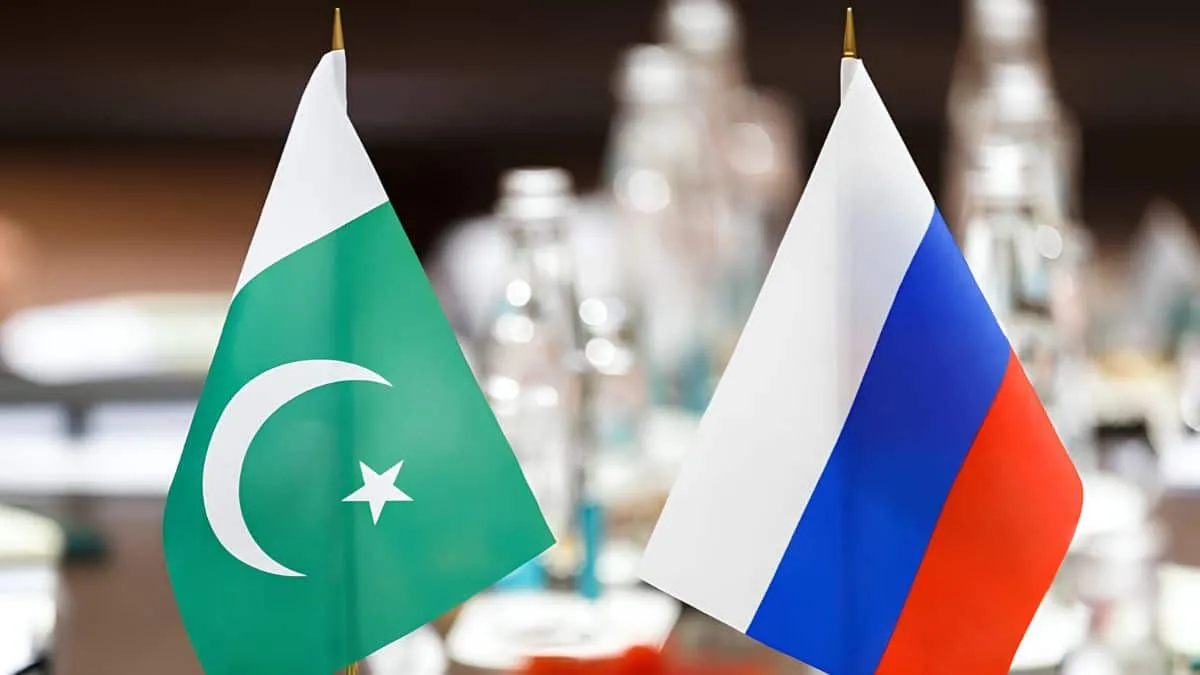
Russian Energy Minister Sergei Tsivilev stated that Moscow is ready to share Earth observation technology with Pakistan. The announcement marks a significant development in diplomatic and technological relations between the two nations, expanding their bilateral cooperation into advanced scientific sectors.
Speaking at a joint press conference in Moscow, Tsivilev explained that a joint working group had drafted space cooperation documents. These agreements await formal signing by the leaders of both countries when they eventually meet.
Details of Proposed Space Cooperation
Responding to a question from Sputnik, Tsivilev cited Russia's extensive expertise in satellite navigation, communications, crewed spacecraft operations, and Earth observation. He emphasized that both countries expressed a strong mutual interest in working together on future space exploration initiatives.
The field of Earth observation involves gathering imagery and data about the planet using specialized satellites. Governments and industries use this technology for agriculture, environmental monitoring, disaster management, and urban planning. Satellite navigation and communications form the backbone of modern global infrastructure, supporting telecommunications, transport, and defense systems.
Russia maintains a long and established history in space exploration, dating back to the Soviet era. The country operates the GLONASS satellite navigation network and remains a key partner in the International Space Station program, alongside launching commercial and scientific payloads.
Broader Context of Space Milestones
The remarks from the Russian Energy Minister arrived on the exact same day Muhammad Zeeshan Ali became the first Pakistani to orbit Earth. This historic flight also made him the first foreign astronaut to enter China's Tiangong space station.
The orbital flight followed a February 2025 agreement under which China trained Pakistani astronauts. This timing highlights a growing regional interest in space capabilities and international partnerships within the aerospace sector.
Economic Ties and Free Trade Discussions
Beyond aerospace technology, Tsivilev noted that work was actively underway regarding a possible free trade agreement with the Russian-led Eurasian Economic Union. The Eurasian Economic Union is an economic union of states located in Eastern Europe, Western Asia, and Central Asia, designed to ensure the free movement of goods, services, capital, and labor.
A formal trade pact with the bloc could alter trade flows and tariffs for Pakistan, opening new export markets and securing supply chains for imported goods. Trade agreements of this scale typically require extensive negotiations covering customs regulations, sanitary standards, and intellectual property protections.
Infrastructure Modernization and Healthcare Projects
During the press conference, Tsivilev also outlined plans for industrial and public health collaboration. He stated that Russia planned to produce insulin in Pakistan and remained ready to help modernize infrastructure.
Local production of insulin addresses critical public health needs within Pakistan, reducing reliance on pharmaceutical imports and stabilizing domestic medical supplies for diabetes patients. Infrastructure modernization projects generally encompass transportation networks, energy grids, and industrial facilities, requiring coordinated investments and engineering expertise from participating nations.
Bilateral Trade Growth and Future Meetings
Tsivilev reported an 11 percent rise in bilateral trade between Russia and Pakistan, though the report did not specify the exact period measured or provide a specific dollar figure. Economic cooperation between the two states has faced various historical hurdles, making recent growth metrics a notable indicator of changing commercial dynamics.
Looking ahead, Pakistan is scheduled to host the next commission meeting in 2027. This upcoming diplomatic gathering will provide a formal platform to review the implementation of current draft documents, assess trade metrics, and evaluate progress on joint infrastructure and space projects.