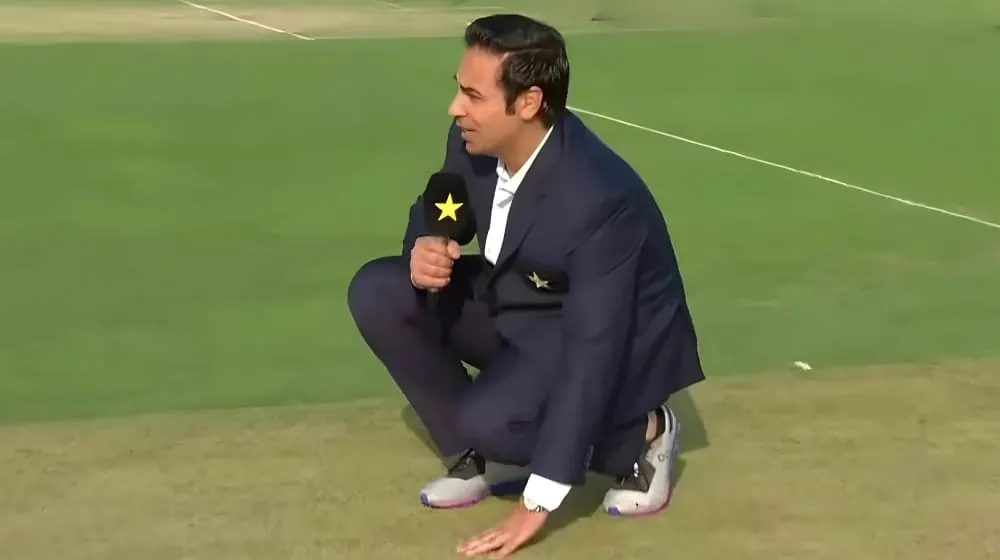
Salman Butt and the 2010 Spot Fixing Scandal Background
Human decision making is frequently nuanced, influenced by externalities, and yet some actions cross a definitive line into wrongdoing. When someone orchestrates an illegal activity, they make a conscious choice driven by malice rather than unavoidable external pressure. Salman Butt being at the helm of the infamous 2010 spot fixing scandal represents a severe criminal breach in the sport of cricket. Crime differs from mere sin because it warrants punishment in the judicial system and leaves a permanent stain on the integrity of the game.
Butt held the prestigious position of Pakistan Test captain, the highest honour bestowed upon any cricketer from a nation where the sport is deeply woven into national identity. Instead of guarding that honour, he compromised the fabric of the game. Following the exposure of the conspiracy, he maintained his innocence for roughly three years before eventually issuing an apology video that gained little traction among fans. His response lacked the visible remorse seen from other players implicated in scandals, such as the Australian trio involved in Sandpapergate.
Comparing Spot Fixing to Other Cricket Scandals
The Australian players involved in Sandpapergate cheated the game, but their actions did not constitute a criminal offence or carry grounds for jail time. Smith and Warner faced heavy public scrutiny and served bans, yet their infractions remained within sporting governance rather than criminal courts. In stark contrast, Butt sold his nation for wads of cash and projected entitled arrogance rather than showing genuine accountability to heartbroken supporters. His crimes also stood apart from those committed by Mohammad Amir and Asif, who followed orders from their captain.
While the concept of second chances remains noble and necessary for human rehabilitation, true redemption requires clear remorse, guilt, and atonement. For an enraged fan base, evidence of such remorse from Butt has remained absent. While he served his judicial sentence and deserves a chance to rebuild his life, granting him elite broadcasting privileges sets an alarming precedent for the sport and its administrators.
Why Broadcaster Appointments for Convicted Fixers Matter
Test match commentary for an official broadcaster represents an enormous professional milestone that working journalists and analysts spend decades trying to achieve. Hiring a convicted felon ahead of experienced candidates free of any history of incarceration undermines the hard work of honest professionals. This appointment discourages young and aspiring Pakistani commentators, pushing local talent to look for overseas opportunities instead. Placing a disgraced individual in a position of public influence creates a severe public relations crisis for the image of Pakistan cricket on the global stage.
Although analysts frequently praise Butt for possessing a sharp cricketing mind and sound tactical understanding, certain privileges must remain forfeited following severe breaches of trust. When an individual stands at the center of one of the largest scandals to rock the international sporting community, securing top-tier media jobs damages institutional credibility. Running domestic academies or sharing analysis on independent media platforms offers a pathway for rehabilitation, but becoming an official voice of the national sport crosses a non-negotiable boundary for betrayed fans.
The Broader Impact on Pakistani Cricket Ethics
The decision to employ a former player convicted of corruption exposes systemic issues in how administrators handle governance and moral standards. Trust takes decades to build but vanishes instantly when organizations prioritize convenience or analytical skill over ethical baseline requirements. For supporters who still carry the pain of the 2010 Lord's Test scandal, seeing the main architect behind a microphone broadcasting live matches serves as an active insult. Accountability must carry real consequences to ensure future generations understand the gravity of match fixing and spot fixing.
Life may contain various shades of grey, but certain betrayals permanently alter how a person is perceived by the public they wronged. The ongoing debate highlights the delicate balance between allowing reformed individuals to earn a living and protecting the sanctity of institutional roles. Until administrators establish stricter ethical barriers for broadcasting and official positions, controversies surrounding tainted figures will continue to resurface and test the patience of cricket enthusiasts worldwide.