Samsung Galaxy S27 Ultra Certification Details
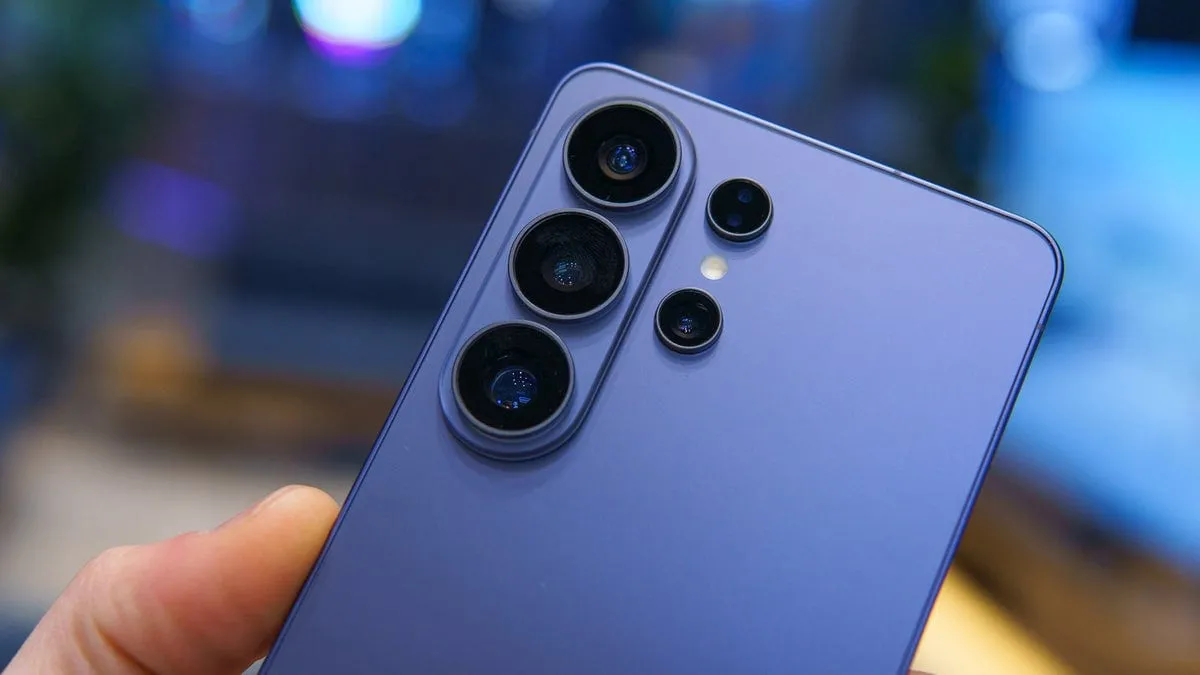
Samsung is preparing the release of its next flagship smartphone, with new regulatory documents shedding light on its power specifications. The upcoming Samsung Galaxy S27 Ultra has appeared in certification filings that point to a major battery upgrade alongside familiar charging speeds. A new certification confirms that the phone supports 60W wired charging, matching the current Galaxy S26 Ultra.
Regulatory documents provide precise technical details regarding how the device handles electrical current from wall adapters. The certification lists a charging rating of 20V at 3A. This suggests Samsung is not moving to 5A charging yet. Higher amperage requires compatible cables with an E-Marker chip to manage the higher electrical flow safely and efficiently.
While the charging wattage remains steady, the internal power storage capacity is poised for a notable change. However, the bigger upgrade could come from the battery. The Galaxy S27 Ultra is reportedly getting a 5,534 mAh rated battery. This could translate into a typical capacity of around 5,700mAh.
History of Samsung Ultra Battery Capacities
To understand the significance of this reported capacity increase, looking at past hardware iterations provides useful context. That would represent a 700mAh increase over the Galaxy S26 Ultra. Samsung has kept its Ultra phones at 5,000mAh since the original model launched in 2020. Therefore, the reported upgrade would mark the biggest battery improvement in years.
For several generations, consumers and reviewers debated whether the 5,000mAh ceiling limited device endurance, especially as screen technologies and processor demands grew. Competitors in the global smartphone market frequently pushed past this threshold with silicon-carbon cell technology and denser energy packs. By moving toward a 5,700mAh typical capacity, the brand responds to long-standing user demands for longer daily endurance between wall charges.
How Charging Speeds and Times Compare
Power delivery systems involve a balance between input wattage, battery size, and software management. Charging time could also change with the larger battery. The Galaxy S26 Ultra supports 60W charging and reached a full charge in 45 minutes during testing. That was 14 minutes faster than the Galaxy S25 Ultra, which supports 45W charging.
The transition from 45W to 60W in the previous generation delivered a measurable reduction in downtime for users. However, physics dictates that packing more energy into a larger cell requires careful thermal regulation. However, the Galaxy S27 Ultra may take longer to reach 100% despite retaining the same charging speed. Its larger battery will likely require additional charging time. The final result will depend on Samsung's charging curve and power management.
Technical Challenges of Mobile Charging
Modern smartphone charging is not a linear process where power flows at a constant maximum rate from zero to one hundred percent. Engineers design complex charging curves to protect the chemical composition of lithium-ion cells from degradation over hundreds of charge cycles. When a battery grows physically larger, the constant current phase of the charging cycle typically extends, which increases overall replenishment time unless the input wattage rises correspondingly.
Because the certification confirms a 20V at 3A configuration, the input ceiling remains capped at 60 watts. Users who hope for instantaneous power fills might find the replenishment duration slightly extended compared to the predecessor. On the other hand, the trade-off comes in the form of extended screen-on time throughout the day, thanks to the extra milliamp-hours packed into the chassis.
Industry Context and What Comes Next
Regulatory filings represent an early step in the hardware release pipeline, usually appearing months before a commercial rollout. As testing continues in factory environments, final software tuning will dictate how efficiently the processor and display interact with the upgraded power cell. Consumers tracking mobile technology developments will monitor further certification databases for details on camera arrays, processor variants, and regional release dates.
As the manufacturer prepares for official announcements, buyers should watch for formal press events detailing the exact specifications of the new generation. The combination of a 5,700mAh typical capacity and familiar 60W wired replenishment highlights a strategy focused on endurance over raw charging speed increases. This approach addresses user feedback regarding daily battery longevity while maintaining compatibility with existing power adapters and accessories.