Sindh Announces CSS Scholarships for Children of Industrial Workers
The children of registered industrial workers in Sindh are getting a shot at Pakistan's civil service, backed by a scholarship worth Rs. 800,000 each. This major decision aims to provide upward mobility to families whose breadwinners toil in factories and industrial sectors across the province. By funding top-tier education and training, the provincial administration seeks to bridge the gap between working-class backgrounds and elite administrative roles.
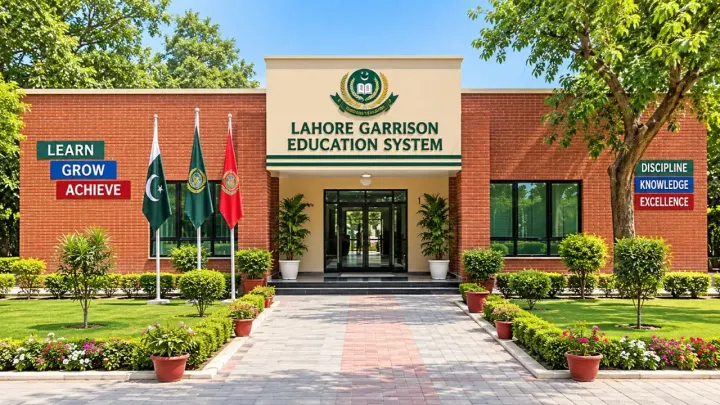
The Workers' Welfare Board Sindh approved a four-month CSS preparatory programme at the Civil Services Academy (CSA) in Lahore for 20 children of registered industrial workers, a move announced at the board's 37th governing body meeting chaired by Labour Minister Saeed Ghani on Thursday. This financial backing ensures that financial constraints do not prevent talented students from taking part in one of the toughest academic challenges in the country.
Understanding the Central Superior Services Examination
The Central Superior Services, commonly known as the CSS exam, serves as the primary gateway to Pakistan's elite civil bureaucracy. Passing this rigorous examination allows candidates to enter prestigious occupational groups such as the Pakistan Administrative Service, the Foreign Service of Pakistan, and the Police Service of Pakistan. Preparation for these tests typically demands months of uninterrupted study, access to specialized materials, and guidance from experienced instructors.
The programme gives selected candidates a concentrated, fully funded run-up to the competitive CSS examination, the gateway to the country's elite civil bureaucracy. Historically, coaching classes for this test require substantial financial investments that many ordinary families cannot afford. For families whose breadwinners work in factories and industry, the scheme opens a route that has historically remained out of reach because of the cost of quality coaching and preparation.
How Selection Works for the CSS Scholarships
Ensuring transparency and merit in the selection process is a primary objective of the governing body. Candidates will be selected through screening tests conducted by the Institute of Business Administration (IBA), Karachi. This partnership with a respected academic institution guarantees that only the most capable applicants advance to the training phase.
Successful applicants will receive board scholarships worth Rs. 800,000 each, covering the cost of the residential preparatory programme at the Civil Services Academy in Lahore. This comprehensive financial package takes care of tuition, accommodation, and related expenses during the four-month stay in Lahore, allowing students to focus entirely on their studies without monetary worries.
Who Qualifies for the Industrial Workers Welfare Scheme
Eligibility criteria for the grants are specific to the province's labor force. The scholarships are reserved for children of registered industrial workers from Sindh, tying the benefit directly to the province's labour community. Parents must be formally registered with the labor department to ensure that the assistance reaches genuine workers.
The initiative is part of a broader push by the board to speed up the settlement of pending workers' welfare cases, with regional welfare committees also restored to their previous status to speed up scrutiny at the local level. These committees handle local applications, verify employment records, and forward eligible files to the provincial board for final approval.
Broader Welfare Reforms in Sindh
The approval of these scholarships occurred during the 37th governing body meeting of the Workers' Welfare Board Sindh. Labour Minister Saeed Ghani emphasized the need to clear backlogs and deliver benefits to families as quickly as possible. Restoring regional welfare committees is another step in decentralizing the process and reducing administrative delays.
Industrial workers contribute significantly to the economic output of Sindh, yet many face financial hurdles when educating their children at higher levels. By funding elite training programmes, the government hopes to create role models within working-class communities. Observers note that this type of targeted intervention directly addresses educational inequality by opening doors to public service careers that were once exclusive to privileged backgrounds.
What Happens Next for Scholarship Applicants
With the governing body giving its formal approval, the next phase involves announcing the schedule for the screening tests administered by the Institute of Business Administration in Karachi. Eligible candidates from registered families must prepare for these preliminary examinations to secure one of the 20 available spots.
Once the screening tests conclude and successful candidates are chosen, the participants will travel to Lahore for the four-month residential course at the Civil Services Academy. The provincial labor ministry plans to monitor the progress of these initiatives closely to ensure that funds are disbursed correctly and that the beneficiaries complete their training successfully.