Sindh Imposes Mandatory 75 Percent Attendance Rule for Government Colleges
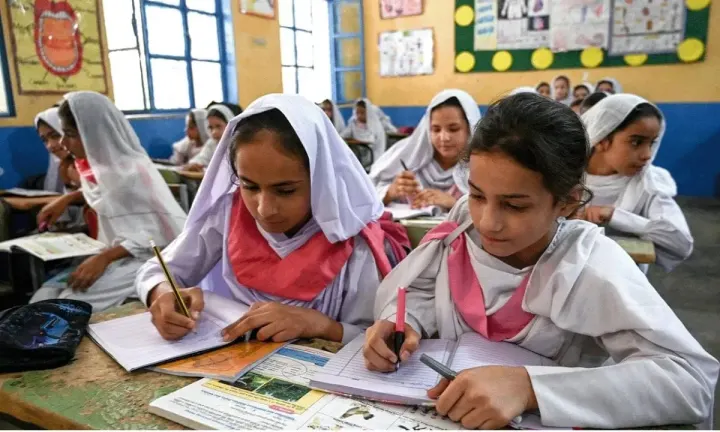
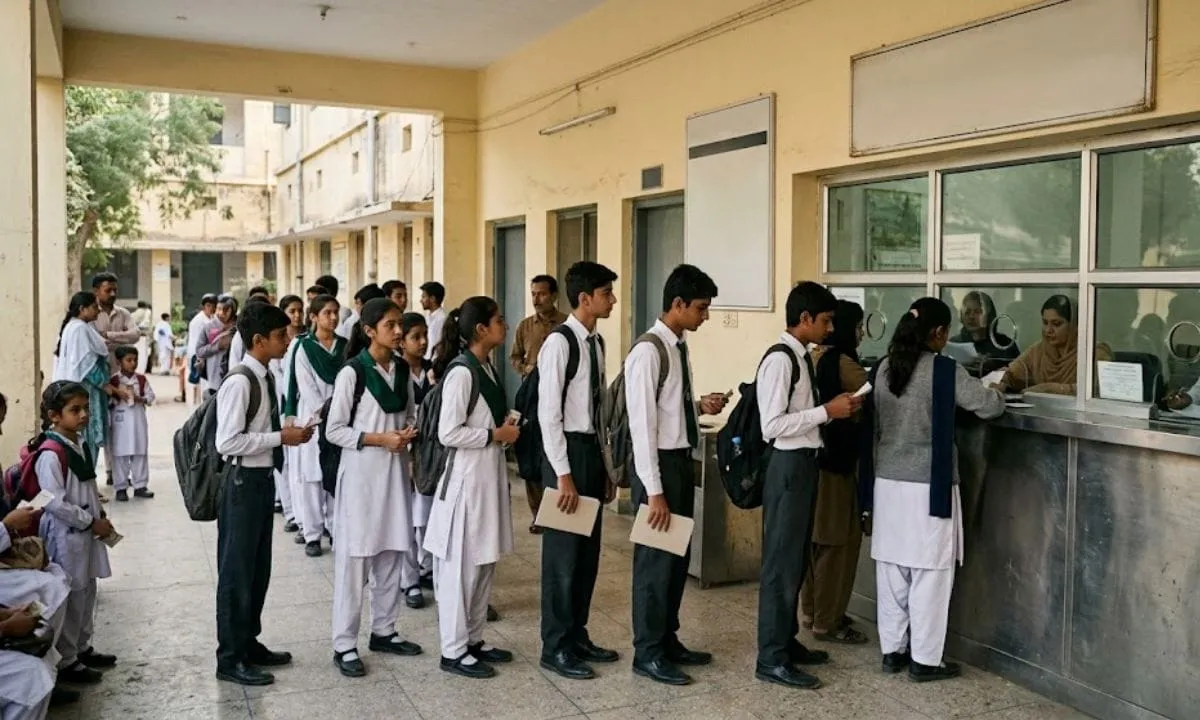
The Sindh government has officially made 75 percent attendance compulsory for students enrolled in government colleges across the province. Students who fail to meet this strict requirement will not be allowed to sit examinations, according to an announcement by Secretary Colleges Sindh Nadeem Memon. This decisive policy shift aims to tackle chronic absenteeism and elevate academic standards within public educational institutions throughout the region.
Educational authorities introduced the mandate during a major consultative conference focused on low student attendance and broader institutional challenges. The College Education Department and the Sindh Professors and Lecturers Association jointly organised the high-level event. Officials gathered to review pressing academic hurdles and find practical ways to restore functional discipline in government-run campuses.
Consultative Conference Addresses Declining Student Presence
Secretary Colleges Sindh Nadeem Memon chaired the conference, which drew principals of colleges from across Karachi to discuss systemic issues. Attendees spent significant time reviewing the reasons behind declining attendance trends in public institutions. Administrators also examined various administrative and academic hurdles currently restricting the performance of government colleges.
This gathering marked the first time officials, association leaders, and principals met in such a format to address these specific operational challenges. Participants described the event as an important step towards resolving long-standing administrative issues and boosting student engagement. Stakeholders agreed that restoring classroom presence remains the core requirement for reviving the quality of public education.
Proposed Digital Attendance Monitoring Systems
To ensure transparency and effective implementation of the new policy, the Sindh Professors and Lecturers Association called for digitalising the student attendance monitoring system. Association President Anwar Abbas stated that the slogan 'Make Colleges Functional' must be turned into practical measures. Manual tracking methods often lead to discrepancies, making digital oversight necessary for accurate record-keeping.
Supporting this digital push, the Chairman of the Board of Intermediate Education Karachi proposed forming a specialized committee. This committee will focus on developing a reliable digital attendance monitoring system specifically for colleges. Educators believe automated tracking will remove human error and hold students accountable for their daily classroom presence.
Administrative Discipline and Staff Training Initiatives
Secretary Colleges Sindh Nadeem Memon emphasized that overall college performance depends directly on student enrolment, regular attendance, and administrative discipline. He urged principals to carry out their duties efficiently and take charge of improving institutional management. Effective leadership at the principal level is viewed as vital for enforcing the new attendance policy successfully.
To support institutional leaders, the department announced targeted professional development programs for college staff. Principals and college staff will receive specialized training in administrative affairs, leadership, and financial management. Officials hope these educational programs will empower administrators to tackle structural inefficiencies and maintain high standards across all campuses.
Background and Next Steps for Sindh Colleges
Public colleges in Sindh have faced scrutiny over falling student numbers and lax administrative oversight for years. Many students enrolled in government institutions often skip regular classes, relying instead on private coaching centres or arriving only for examinations. This trend eroded the academic environment and undermined the value of daily classroom instruction in public campuses.
With the new 75 percent threshold now official policy, colleges must prepare for strict enforcement ahead of upcoming examination cycles. The proposed committee on digital monitoring will work on establishing uniform tracking protocols across institutions. Parents, students, and faculty members await further guidelines detailing how attendance records will be audited before exam forms get approved.