Everything You Need to Know About the Sindh Youth Card 2026
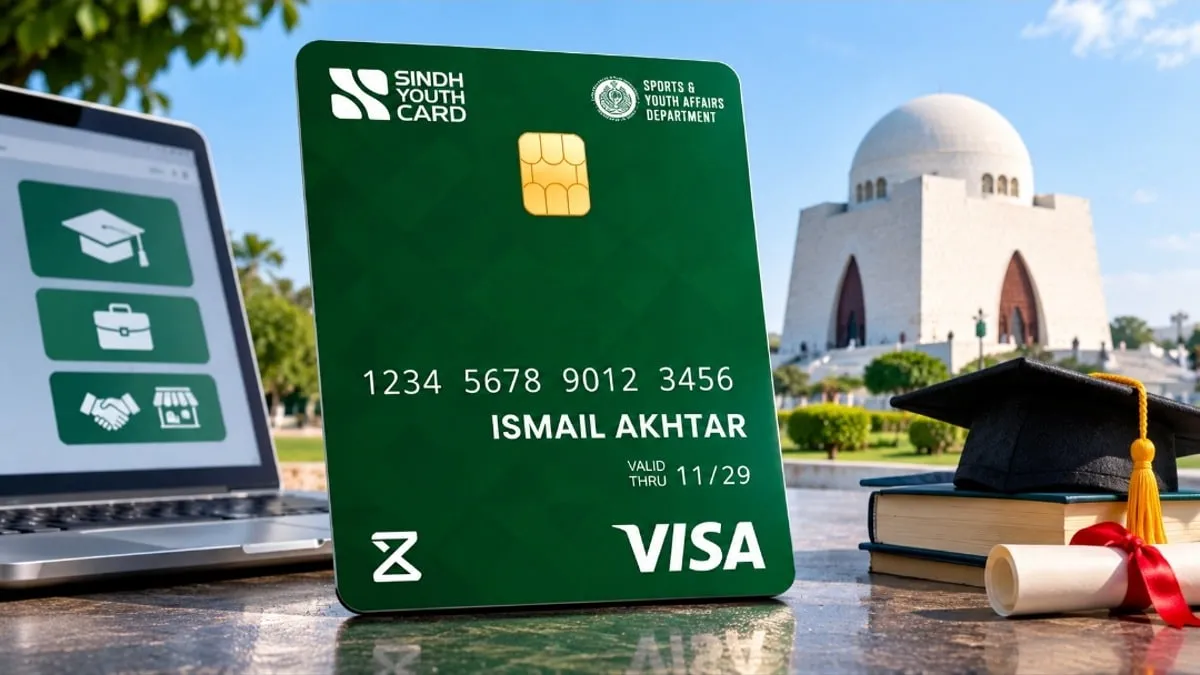
The Sindh government has officially launched the Sindh Youth Card, a new initiative aimed at providing young people with access to educational assistance, employment opportunities, banking facilities, skills training and financial support through a single digital platform. Pakistan Peoples Party Chairman Bilawal Bhutto Zardari inaugurated the program at the Chief Minister House in Karachi on November 23, 2026.
Registration has also started across all 30 districts of Sindh. The first phase will cover 100,000 young people between the ages of 15 and 29, while the provincial government plans to expand the program to benefit up to one million young people in the coming phases. The Sindh Youth Card has been introduced through the Sports and Youth Affairs Department in collaboration with Sapphire Consulting Services and JS Bank's Zindigi platform.
Who Is Eligible for the Sindh Youth Card?
According to the launch announcement, the first phase targets young people aged 15 to 29 across all 30 districts of Sindh. The initiative is designed to provide equal opportunities regardless of gender, social background or community. The provincial government has also emphasized access for young women, minority communities and persons with disabilities.
The first phase will select 100,000 beneficiaries, with a broader target of expanding the program to one million young people. Sindh has approximately 13.2 million people between the ages of 15 and 29, highlighting the potential reach of the initiative. Chief Minister Murad Ali Shah said the program would bring together government departments, educational institutions, financial organizations and private-sector partners to create a support system for young people.
How to Apply Online via the Mobile Application
Young people interested in the initiative can register through the official mobile application. The official registration page confirms that applicants must complete registration through the Sindh Youth Card mobile application, as the website does not provide a separate online application form.
Applicants can visit the official government portal to access the registration page and download the application. The official registration page provides separate instructions for adult and underage applicants. Follow these steps to register:
- Visit the official Sindh Youth Card registration page: https://sindhyouthcard.gos.pk/register/youth
- Select the option to download the official mobile application.
- Install the Sindh Youth Card app from Google Play.
- Open the application and select the appropriate registration option.
- Enter the required identification and mobile details.
- Complete the biometric verification process where applicable.
- Follow the instructions in the app to activate your digital youth card.
Required Documents for Registration
The official portal has specified different identification requirements based on the applicant's age. For applicants aged 18 to 29, the requirements include a valid 13-digit CNIC, a mobile number, and contactless NADRA biometric verification. For applicants under 18, the requirements include a valid 13-digit B-Form number along with the parent or guardian's CNIC details.
According to the registration page, applicants can create their youth accounts through the mobile application and complete their profiles after logging in. Official links for the program include the main website at https://sindhyouthcard.gos.pk/, the direct registration page at https://sindhyouthcard.gos.pk/register/youth, and the Android application download link on Google Play.
Available Benefits and Features for Cardholders
The Sindh Youth Card is designed to connect young people with opportunities in six major areas, including banking, education, employment, transportation, business development and financial assistance. Eligible beneficiaries will receive access to a Zindigi bank account, digital wallet and mobile banking application. The facility will also include a Visa debit card, allowing cardholders to make payments, withdraw cash and receive eligible scholarships, stipends and financial assistance.
Sindh Youth Card holders will be able to access special discounts at more than 180 partner businesses. These discounts will cover several sectors, including food and restaurants, retail and shopping, fashion, healthcare, education, entertainment, travel and technology. The initiative aims to reduce everyday expenses for young people by providing access to discounted products and services.
Education, Transport, and Career Opportunities
The program will connect eligible students with merit-based and need-based scholarships, university financial assistance and exchange programs. It will also facilitate access to digital skills training, vocational courses and professional certifications. These opportunities are intended to help young people improve their qualifications and prepare for employment.
The Sindh government has also outlined proposed transport concessions for youth cardholders. The planned discounts include 20% to 30% on the People's Bus Service, 20% to 40% on Pakistan Railways, and discounts on domestic airlines in a later phase. Furthermore, the Sindh Youth Card will connect young people with employment and entrepreneurship opportunities through a dedicated job portal, paid internships, career fairs and corporate employment opportunities. The initiative will also work with the Sindh Enterprise Incubation Center to provide business incubation support to young entrepreneurs.
Financial Assistance and Loan Subsidies
One of the major proposed benefits is financial assistance for young entrepreneurs. The government has outlined interest-subsidized microloans ranging from Rs. 10,000 to Rs. 500,000 to support eligible young people interested in starting or expanding businesses.
The initiative also plans to introduce interest-subsidized installment facilities for purchasing laptops, tablets, smartphones, motorcycles, electric bikes, and professional and work equipment. These facilities are proposed program benefits and should not be considered guaranteed payments or loans for every registered cardholder. Their availability will depend on eligibility requirements and implementation arrangements.