South Korea and Pakistan have begun a four-day joint initiative aimed at strengthening the conservation and management of Pakistan's World Heritage sites through technical assistance, professional training and international cooperation.
The programme runs from 23 to 26 November and is organised by Pakistan's Department of Archaeology and Museums (DOAM) under the Ministry of National Heritage and Culture, in collaboration with the Korea Heritage Agency (KHA). It marks the first year of a three-year cooperation framework that will run from 2026 to 2028, with broader support extending to 2030.
What Is the Four-Day Programme and Who Is Involved?
The opening ceremony on 23 November was attended by Ambassador Han Sung-ho of the Republic of Korea and Secretary Asad Rehman Gilani of the Ministry of National Heritage & Culture, together with federal and provincial representatives, international experts and other stakeholders. Their presence underscored the diplomatic weight behind the partnership.
A town-hall meeting on day one gathered federal and provincial officials and international experts to assess existing conservation arrangements and identify challenges facing the protection of the country's World Heritage properties. Participants discussed gaps in legislation, funding shortfalls, and the need for capacity-building among site managers.
What Training Is Provided During the Remaining Three Days?
From 24 to 26 November, participants will attend specialist lectures, technical discussions and practical training led by three international experts. The curriculum covers the UNESCO World Heritage Convention, the concept of Outstanding Universal Value, management planning, conservation techniques and threat analysis.
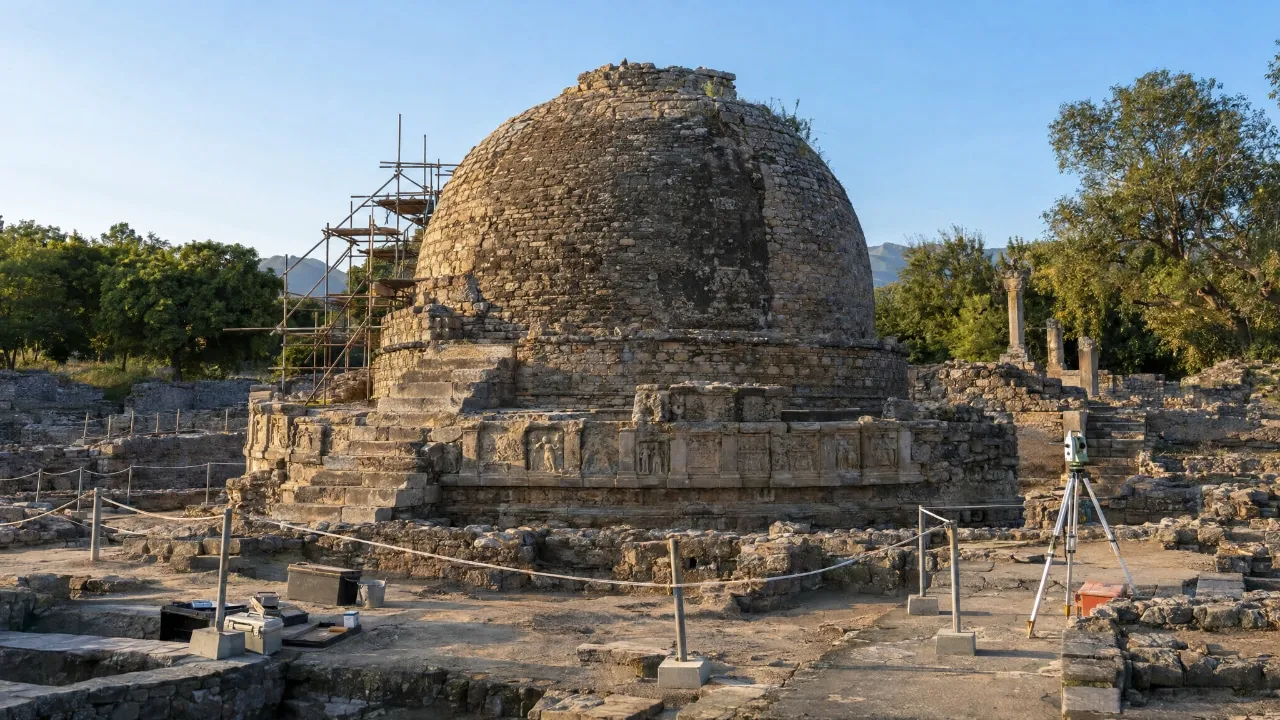
On 25 November, a field-monitoring exercise at the ancient city of Taxila will give participants hands-on experience in assessing and managing a World Heritage site. Taxila, a UNESCO site since 1980, is a key archaeological complex that illustrates the spread of Buddhism and ancient trade routes across South-Asia.
Why Is a Three-Year Partnership Between Pakistan and Korea Important?
The three-year cooperation framework, covering 2026 to 2028, is designed to develop professional expertise and strengthen institutions responsible for heritage conservation in Pakistan. Funding and technical assistance from the Korea Heritage Agency will continue through 2030, supporting the proposed establishment of a National Institute of Cultural Heritage in Pakistan.
Such an institute would centralise training, research and policy development for heritage management, creating a sustainable pipeline of skilled professionals. It would also serve as a hub for international collaboration, allowing Pakistan to draw on best practices from countries with mature heritage sectors, such as Korea, Japan and European nations.
The partnership aligns with Pakistan's National Heritage Policy, which aims to safeguard cultural assets, promote tourism and foster community participation. By leveraging Korean expertise, Pakistan hopes to improve site monitoring, disaster risk mitigation and community-based stewardship.
How Does This Initiative Fit Into Global Heritage Conservation Efforts?
UNESCO's World Heritage Convention, adopted in 1972, obliges signatory states to protect sites of Outstanding Universal Value. Many of Pakistan's sites, such as Mohenjo-Daro, the Buddhist Ruins of Takht-i-Bahi, and the historic city of Lahore, face threats from urban encroachment, illegal construction, climate-induced erosion and inadequate funding.
Korea's own heritage management experience includes the preservation of historic villages like Hahoe and the restoration of the Jongmyo Shrine, both UNESCO sites. Korean experts have developed digital documentation methods, community-based management models and disaster-response protocols that could be adapted for Pakistani contexts.
What Are the Expected Outcomes for Pakistani Heritage Sites?
Short-term outcomes include a cadre of Pakistani officials trained in UNESCO guidelines, risk assessment and conservation techniques. Participants will receive certificates and access to a digital repository of training materials, ensuring knowledge retention beyond the four-day event.
Medium-term benefits involve the drafting of updated management plans for each World Heritage site, incorporating threat-analysis findings from the Taxila field exercise. These plans will be reviewed by the DOAM and submitted to UNESCO for periodic reporting.
Long-term, the establishment of the National Institute of Cultural Heritage is expected to institutionalise capacity-building, research and policy coordination. This could lead to improved site preservation, increased tourism revenue and stronger community engagement across Pakistan's heritage landscape.
What Steps Follow the Four-Day Programme?
After the programme concludes on 26 November, the DOAM will compile a comprehensive report summarising findings, training outcomes and recommendations for policy amendment. The report will be shared with the Ministry of National Heritage & Culture, the Korea Heritage Agency and UNESCO's World Heritage Centre.
In 2026, the three-year cooperation framework will begin formal activities, including joint research projects, exchange visits for site managers and the rollout of the National Institute of Cultural Heritage. Funding allocations from the Korean side are earmarked for infrastructure upgrades, digital documentation tools and scholarships for Pakistani heritage professionals.
Stakeholders are advised to monitor official releases from the DOAM and KHA for updates on project milestones, tender notices for infrastructure work, and opportunities for further training.
Practical Takeaways for Heritage Professionals and the Public
Heritage professionals in Pakistan should register for upcoming workshops announced by the DOAM, as seats may be limited. Local communities near World Heritage sites are encouraged to participate in community-based monitoring programmes that will be piloted after the training.
Tourists planning to visit sites such as Taxila, Mohenjo-Daro or the Lahore Fort can expect improved visitor facilities and clearer interpretive signage as management plans are updated.
Overall, the South Korea-Pakistan partnership represents a concrete step toward safeguarding cultural heritage that is integral to national identity, education and sustainable tourism.