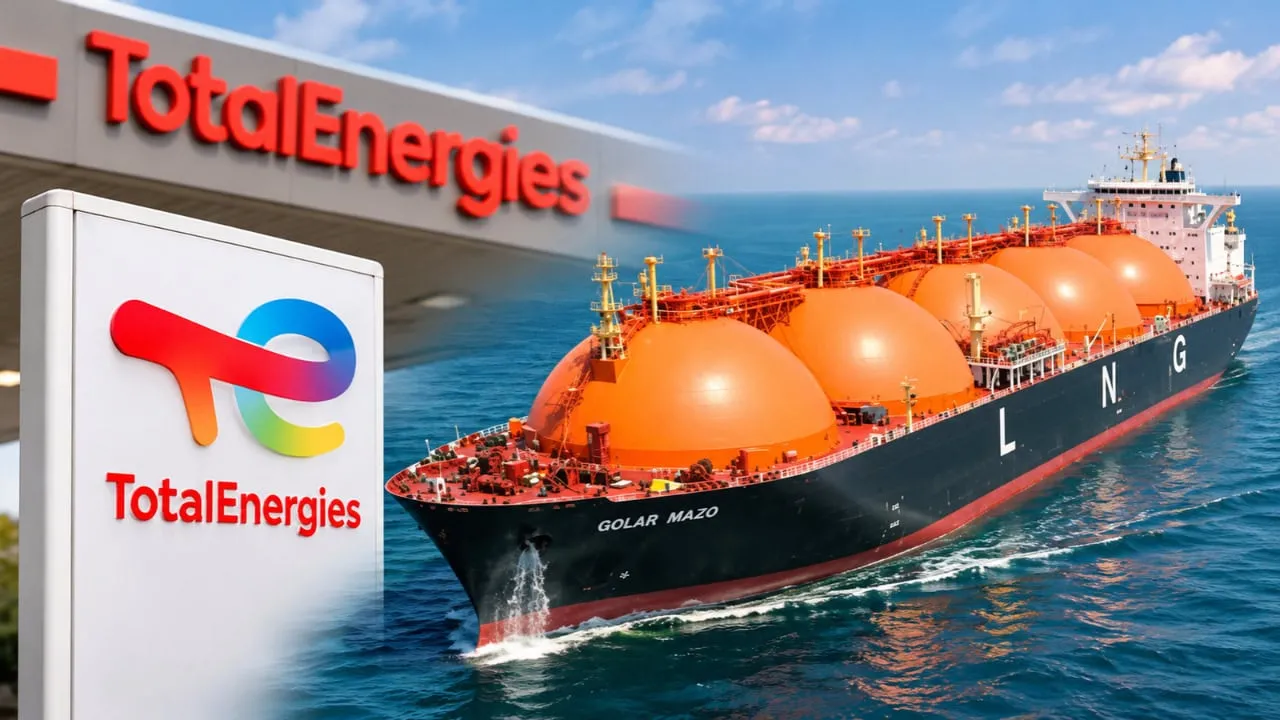
TotalEnergies Wins Two Pakistan LNG Cargoes
Pakistan LNG Limited awarded two spot liquefied natural gas cargoes to TotalEnergies Gas and Power Limited after the French energy giant submitted the lowest bids in both lots. QatarEnergy Trading LLC also participated in the tender, marking a return to competitive bidding in the domestic energy sector. TotalEnergies undercut the rival offer by a substantial margin on the first cargo, securing both supply assignments under the latest procurement round.
The formal evaluation report details the exact financial figures submitted by both international energy firms. For the first consignment, designated as Cargo X1, TotalEnergies submitted a bid of PKR 24.43 billion. Meanwhile, QatarEnergy entered the contest with a competing bid of PKR 27.78 billion. That pricing gap of roughly PKR 3.3 billion made TotalEnergies the clear winner of the opening lot. For the second assignment, known as Cargo X2, TotalEnergies submitted the only bid at PKR 24.28 billion. QatarEnergy chose not to compete for this second cargo, leaving the French company as the sole participant for that specific lot.
Technical Evaluation and Procurement Rules
Both international suppliers cleared all preliminary hurdles during the technical evaluation phase. The evaluation report confirms that both bidders scored 100 out of 100 on technical criteria and successfully met all eligibility requirements set by the state-run procurement agency. Because the tender used a Least Cost Based Selection framework, the lowest compliant financial bid wins the contract automatically without subjective committee intervention.
The combined financial value of both contracted cargoes stands at approximately PKR 48.7 billion. Pakistan LNG Limited received the commercial bids on November 10 and published the official evaluation report the same day. This transparency adheres strictly to Rule 35 of the Public Procurement Rules, 2004. The official procurement reference assigned to this specific government tender is P184536, ensuring a traceable public record of the transaction.
Return of QatarEnergy to the Market
The participation of QatarEnergy in this tender carries significance that extends beyond the immediate price tags. Industry observers view the return of the Qatari firm as a signal pointing toward a potential normalization of liquefied natural gas supply chains into Pakistan. Earlier this year, QatarEnergy declared force majeure on March 4 following an attack on its Ras Laffan liquefied natural gas production complex. That unexpected declaration severely disrupted established long-term supply commitments and forced the South Asian nation into the expensive spot market for months.
During the disruption period, Pakistan was forced to acquire multiple spot cargoes at prices reaching $21.88 per MMBtu. That rate was roughly double the cost associated with standard long-term contract rates, placing severe strain on foreign exchange reserves. The sudden absence of reliable long-term deliveries left utilities scrambling to secure fuel from alternative international traders to maintain baseline electricity generation and industrial output.
TotalEnergies Market Dominance and Supplier Competition
Throughout the summer months, TotalEnergies dominated Pakistan spot liquefied natural gas procurement activities. The company secured multiple spot tenders, frequently appearing as the sole bidder in thin market conditions. Several procurement rounds earlier in the year attracted only one or two international offers, giving local buyers minimal negotiating leverage against surging global spot prices.
The arrival of two competing bids in this latest tender represents a measurable improvement over those previous single-bid rounds. For the national economy, competition between major fuel suppliers matters enormously. When a single company enters a tender alone, it effectively sets its own price. The presence of two active bidders creates immediate downward pricing pressure. The PKR 3.3 billion gap between TotalEnergies and QatarEnergy on Cargo X1 demonstrates the tangible financial benefits that open supplier competition delivers in practice.
Impact on National Energy Economics and Circular Debt
Pakistan reliance on spot liquefied natural gas purchases has added billions of rupees to the national import bill since Middle East supply disruptions began. Every expensive spot cargo increases the widening gap between what regulators allow utility companies to recover from domestic consumers and what the government actually pays for imported fuel. That persistent financial shortfall feeds directly into the compounding utility circular debt.
Consequently, any market movement toward active competitive bidding and lower fuel acquisition costs carries macroeconomic significance that extends well beyond the energy sector alone. As winter demand approaches, energy planners monitor these procurement outcomes closely to gauge whether international suppliers will continue aggressive pricing strategies in subsequent upcoming tenders.