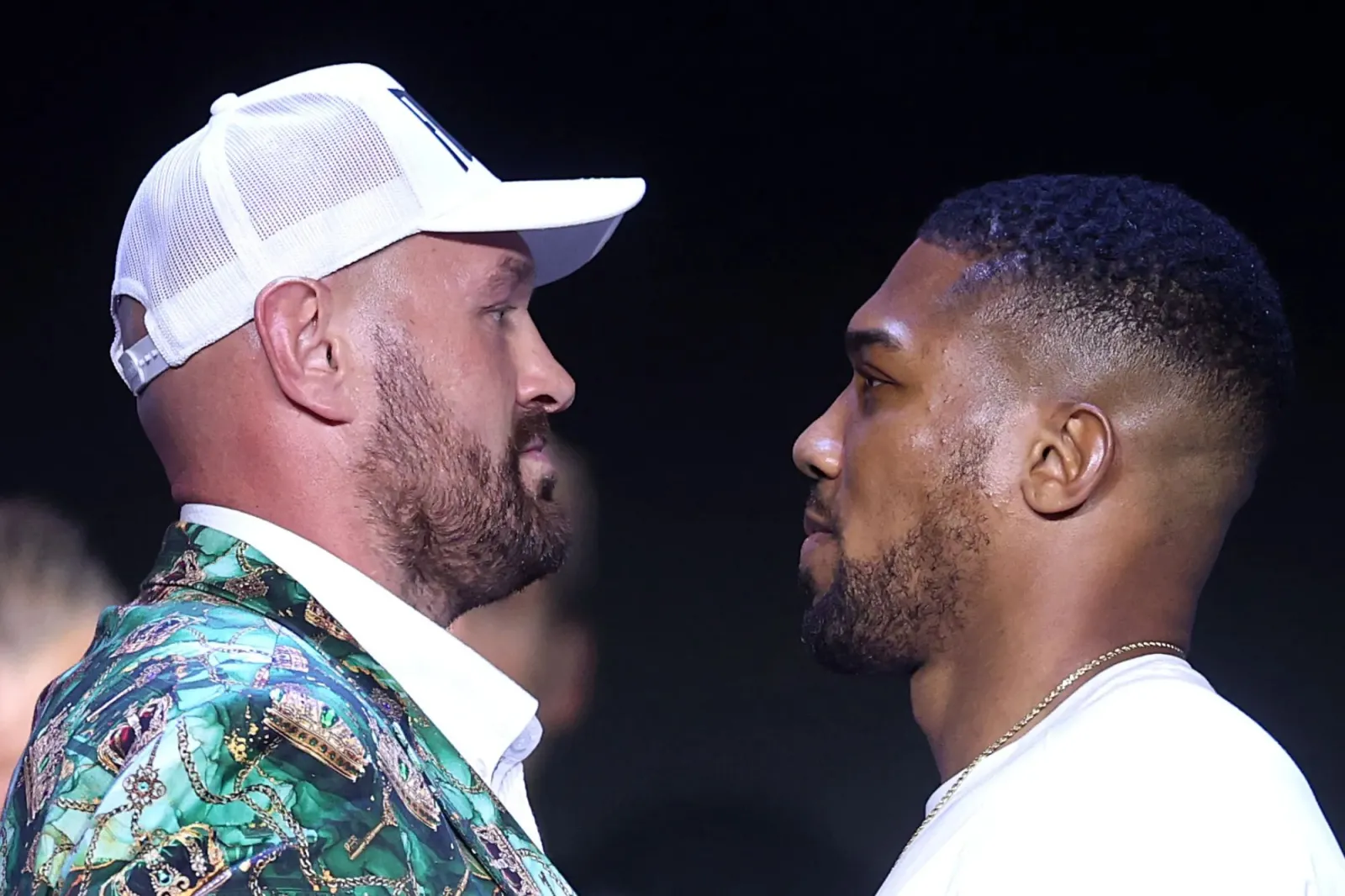
The proposed later ring walk time for the upcoming heavyweight clash between Tyson Fury and Anthony Joshua has hit a major stumbling block ahead of the event. The pair of Great British rivals are set to finally end the decade old debate with a December 11 grudge match in Cardiff. With US streaming giants Netflix forking out massively to air the bout, a delayed ring walk time of 1-2am has been mooted to accommodate American viewing schedules. However, local residents have voiced strong objections to the late start and the associated licensing extensions.
While the fight itself is not in jeopardy, the licensing sub-committee at Cardiff Council will now meet on 25 November, just two weeks before the event. During this hearing, officials will discuss the application to extend the hours the venue can serve alcohol. Currently, the sale of alcohol for consumption inside and out of the stadium runs from 9am and 1am. The specific request from organizers is to extend this until 3am for those in hospitality boxes, though booze would not be sold at concourse bars after 1am. Local concerns primarily relate to noise levels and potential anti-social behaviour in the surrounding residential area.
Why Local Residents Are Objecting to the Late Start
Families living near the Principality Stadium have expressed significant worry over how the delayed schedule will affect their daily lives. The primary complaints center on noise pollution, large crowds, and the behavior of intoxicated fans late at night. One resident with a young family complained directly to authorities about the anticipated disruption. The resident stated that the shouting, singing, and inevitable anti-social behaviour at that hour is going to completely wake the whole house up and leave them with exhausted, stressed children. Local taxpayers expect a high standard of living to be maintained even during major sporting spectacles.
In addition to noise concerns, residents are demanding concrete operational guarantees from event organizers and local authorities. One resident wants to see a security plan for the aftermath as 80,000 fans leave the venue and for street cleaning to be completed by 8am the following day. Managing the egress of tens of thousands of spectators in the middle of the night requires meticulous logistical planning. Transport hubs, local policing, and sanitation crews will need to coordinate closely to manage the influx and subsequent outflow of people.
The History of Late Night Boxing in Cardiff
While a 1-2am ring walk is unusual for modern UK boxing fans, it is not entirely without precedent in British sporting history. Lennox Lewis and Frank Bruno, who clashed in the original Battle of Britain in 1993, did not fight until 1am in Cardiff. Similarly, Joe Calzaghe's 2007 win over Mikkel Kessler had the same delayed start at the Principality Stadium in Wales to appease Showtime in America. Promoters frequently look across the Atlantic to maximize broadcast revenue, especially when major international streaming platforms secure the rights to high-profile cards.
The financial scale of modern boxing dictates that television audiences across multiple time zones must be factored into event planning. Netflix has invested heavily to broadcast the December 11 fixture globally, making primetime viewing slots in North America a priority for the financial viability of the card. Yet balancing the demands of global media conglomerates with the rights and peace of local residents remains a delicate task for municipal authorities.
Path to the Ring for Fury and Joshua
Both Fury and Anthony Joshua cleared their final hurdles with wins over Mariusz Wach and Kristian Prenga in July to set up this monumental encounter. The two heavyweights have engaged in a war of words for over ten years, capturing the imagination of the global sports public. Now, Cardiff's Principality Stadium awaits the two heavyweight giants for what many are dubbing a Christmas cracker of a fight card. The December 11 date falls on a Friday night, adding another layer of logistical complexity to local traffic and commuter patterns in the Welsh capital.
The wider boxing calendar for late 2025 and early 2026 features numerous blockbuster events across various platforms, but none carry the cultural weight of this domestic showdown. Agit Kabayel versus Nelson Hysa takes place on November 28 on DAZN, followed by David Benavidez against Michal Cieslak on December 5. After the Cardiff mega-fight, Dmitry Bivol meets Callum Smith on December 12, Anthony Cacace faces Nick Ball on December 19, and Jake Paul takes on Cedric Doumbe on December 24. Amid this packed schedule, the logistical hurdles in Cardiff remain the immediate focus for promoters and local council members alike.
What Happens Next at the Cardiff Council Hearing
The upcoming meeting on 25 November will determine whether the licensing sub-committee grants the requested extensions for alcohol sales in hospitality areas. Council members must weigh the economic benefits of hosting an 80,000-seat international sporting event against the legitimate grievances of local citizens. If the council rejects the 3am hospitality license extension, organizers may have to adjust their internal hospitality schedules, though the broadcast timing negotiated with Netflix would remain a separate commercial consideration. Fans and stakeholders will monitor the 25 November decision closely as the countdown to the December 11 bell continues.





