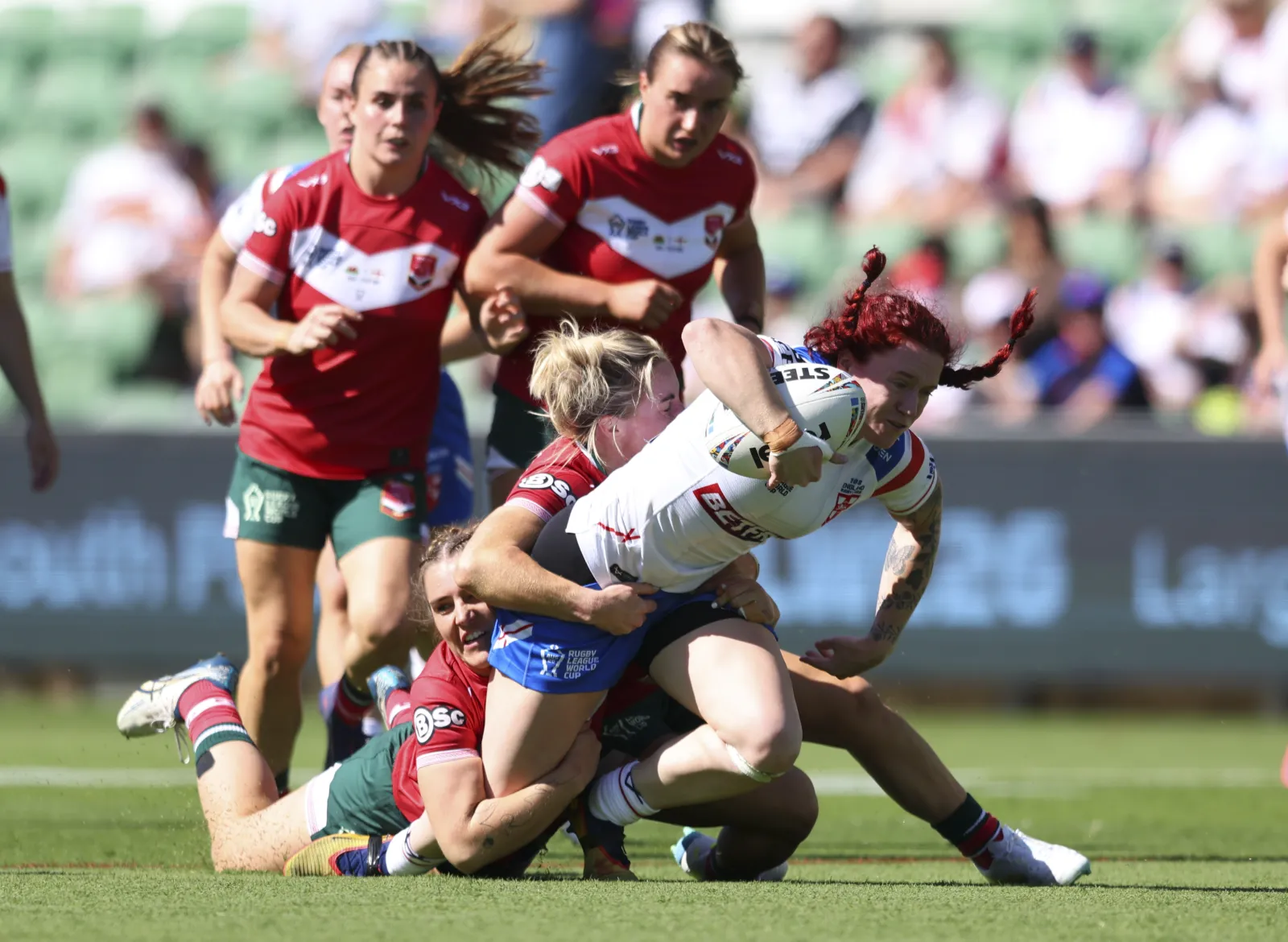
Wales Rugby League Boss Tom Brindle Reveals Tiny £7,500 Budget After World Cup Exit
Wales women's rugby league coach Tom Brindle has spoken out about the severe financial constraints facing his national programme following a difficult debut on the global stage. The team recently concluded their first ever World Cup campaign by losing all three of their matches, scoring 12 points while conceding 270. Speaking about the stark realities of running a national sports side on virtually no funds, Brindle laid bare the challenges of competing against fully professional outfits with very little financial backing.
The campaign ended with a heavy 124-6 defeat against Australia's full-time Jillaroos squad. This disparity in resources highlighted a widening gap between Southern Hemisphere powerhouses and Northern Hemisphere development sides. Brindle pointed directly to the government funding figures to illustrate the immense hurdles his amateur and volunteer staff face year after year just to keep the team operational.
How Much Government Funding Does the Wales Women Team Receive?
According to the head coach, the entire annual budget provided by the government to run the national programme sits at just £7,500. Brindle described this amount as nothing, noting that individual players in the Australian squad command personal earnings that dwarf the total annual operating costs of the Welsh setup. Every single person involved in the Welsh team operates on a voluntary basis, forcing the staff to constantly scrap for resources.
Securing fixtures and basic operational funds requires pulling in favours and scrambling for scraps every single year. Brindle explained that the limited capital restricts contact time with players, which makes bridging the competitive gap against elite international competition nearly impossible. Without a substantial injection of capital, the programme struggles to move beyond a survival footing.
The Wider Struggles of Northern Hemisphere Rugby League
The financial plight of the Welsh women's side reflects a broader trend affecting international rugby league across the Northern Hemisphere. During the recent tournament, all Northern Hemisphere participants, including the men's and women's teams from England and France, the Welsh women, and the Lebanese men's team, failed to reach the semi-finals. Critics argue that a lack of structured funding and consistent international competition severely hampers the growth of the sport outside of traditional power bases.
While other sporting codes actively use the international arena to expand their reach and reduce skill gaps between nations, rugby league continues to stutter. Brindle pointed to rugby union and the international men's rugby league successes of Tonga and Samoa as prime examples of how proper international engagement can elevate standards. Without similar backing, developing nations remain trapped in a cycle of underfunding and heavy defeats.
Uncertainty Surrounding Future Rugby League World Cup Tournaments
Compounding the financial difficulties is a persistent lack of institutional stability regarding future global tournaments. The most recent World Cup faced multiple relocation hurdles before finding a host. Organisers originally assigned the event to the United States, then shifted it to France after promoters failed to produce the necessary funds, and finally moved it to Australia because costs proved too prohibitive.
Plans to split the women's tournament so it could run separately from the men's event were also abandoned, drawing sharp criticism from coaches. Brindle criticised the constant shifting of plans by administrators, noting that the sport lacks a clear roadmap. Currently, nobody knows where the next World Cup will take place, what the qualification process entails, or when the players will next take the international pitch.
The Demand for Long-Term Planning and Consistency
Brindle directed harsh criticism at the constant chopping and changing within rugby league administration. He argued that building a sustainable international pathway requires a firm, long-term strategy that administrators must stick to without deviation. While the Northern Hemisphere has spent eight years on a slow developmental strategy that is beginning to show minor progress, the lack of a concrete calendar halts further momentum.
Looking ahead to the coming year, the Welsh squad remains entirely in the dark regarding their schedule, their opponents, or potential match locations. Brindle emphasised that establishing a consistent programme allows investment to flow naturally, serving as the foundational starting point for any future success. Until the sport commits to a fixed roadmap, part-time and amateur nations will continue to struggle against fully funded professional athletes.