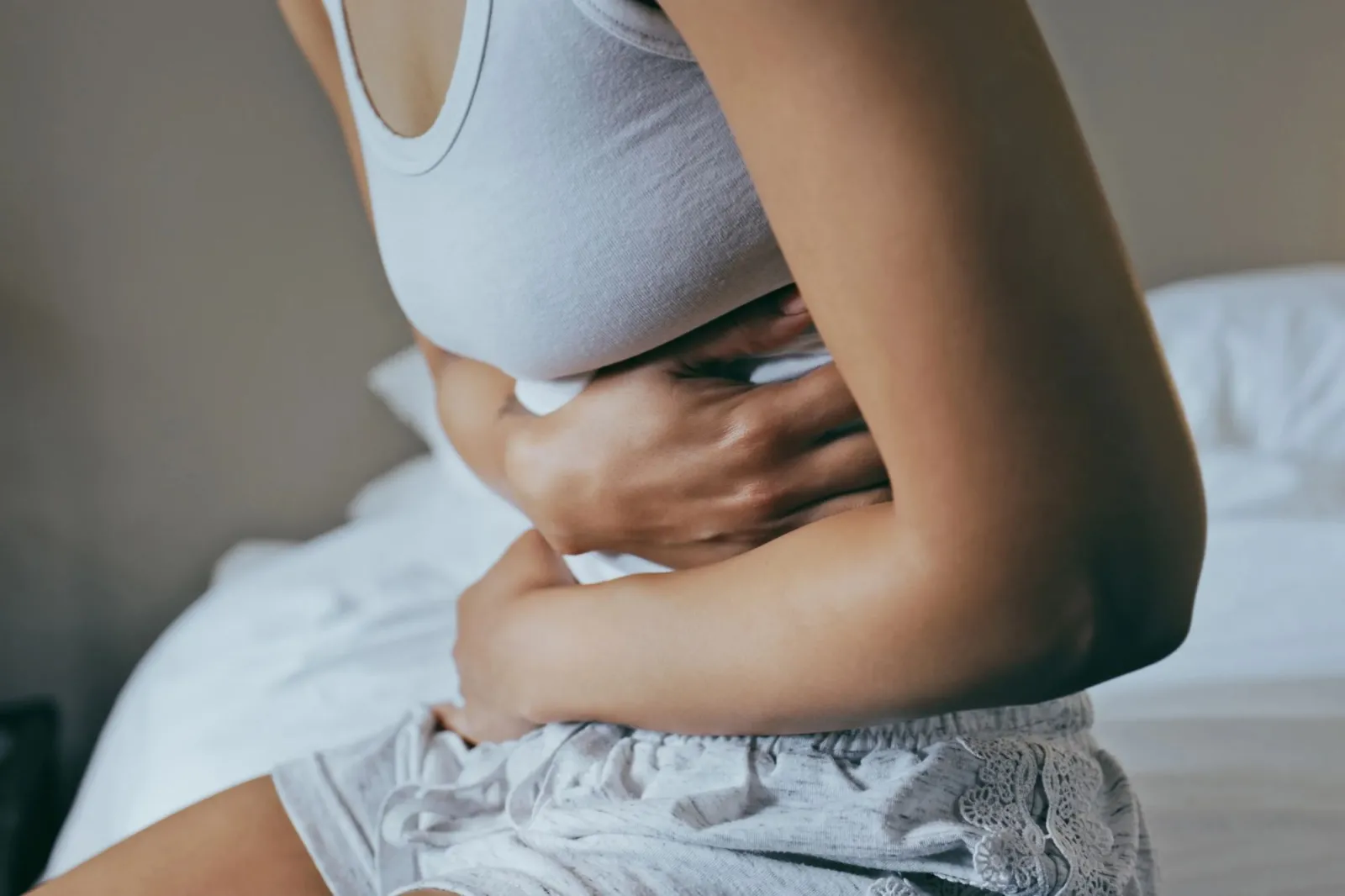
Cancer specialists have warned that numerous women fail to recognise warning signs of a deadly disease until it becomes too late. Data indicates that womb cancer rates among women under 50 in the UK have doubled during the past 25 years.
Also known as endometrial cancer, the illness ranks as the fourth most frequent cancer among women, with over 10,200 annual diagnoses. It remains exceptionally dangerous, as only 15 per cent of patients diagnosed at an advanced stage survive for five years or longer.
The condition primarily impacts women past the menopause, driven by elevated oestrogen levels. Researchers also suspect contemporary lifestyles might fuel the rise in younger patients, pointing to obesity, poor diets, and delayed childbirth as contributing factors, though scientists note further studies are required to confirm these connections.
Leading oncologists issued fresh warnings at the European Society For Medical Oncology conference in Madrid. Dr Bhavana Pothuri, an oncologist and researcher at New York University, stated to the Daily Mail that womb cancer is the sole gynaecological malignancy with growing incidence and mortality. She added that young women must understand abnormal bleeding is not solely an issue for post-menopausal individuals.
Dr Sangeeta Khinder, a consultant obstetrician and gynaecologist at London Gynaecology, stated that any bleeding between periods, prolonged bleeding, or heavier bleeding requires serious investigation.
Organizations including The Eve Appeal and Peaches Womb Cancer Trust highlight seven primary symptoms:
- Bleeding after sex
- Blood-stained vaginal discharge in pink, red, or brown hues
- Blood in the urine or haematuria
- Bleeding between periods before the menopause
- Heavier than normal periods before the menopause
- Any vaginal bleeding after the menopause including spotting
- Abdominal pain
Advanced stages of womb cancer can also trigger pain in the back, legs, or pelvis, along with loss of appetite, tiredness, and nausea.
While these signs might stem from milder issues like low oestrogen or hormone replacement therapy reactions, they can also point to conditions such as polyps, fibroids, or endometriosis. Only one in 10 instances of unusual post-menopausal vaginal bleeding stems from womb cancer, but experts stress seeing a physician is essential.
According to Cancer Research UK, risk factors include obesity, high oestrogen levels, tamoxifen use, hormone replacement therapy, type 1 or 2 diabetes, polycystic ovary syndrome, and a thickened womb lining. Additional factors involve early menstruation, late menopause, family history, not having children, and certain hormonal contraceptives.
Patient treatment plans vary based on cancer stage, grade, and type, though most individuals undergo surgery to remove the cervix and womb.
Ask Dr Zoe
The Sun resident GP Dr Zoe Williams invites readers to send health queries to health@thesun.co.uk for guidance on symptoms, waiting lists, diagnoses, and medications, with responses featured in her weekly columns.