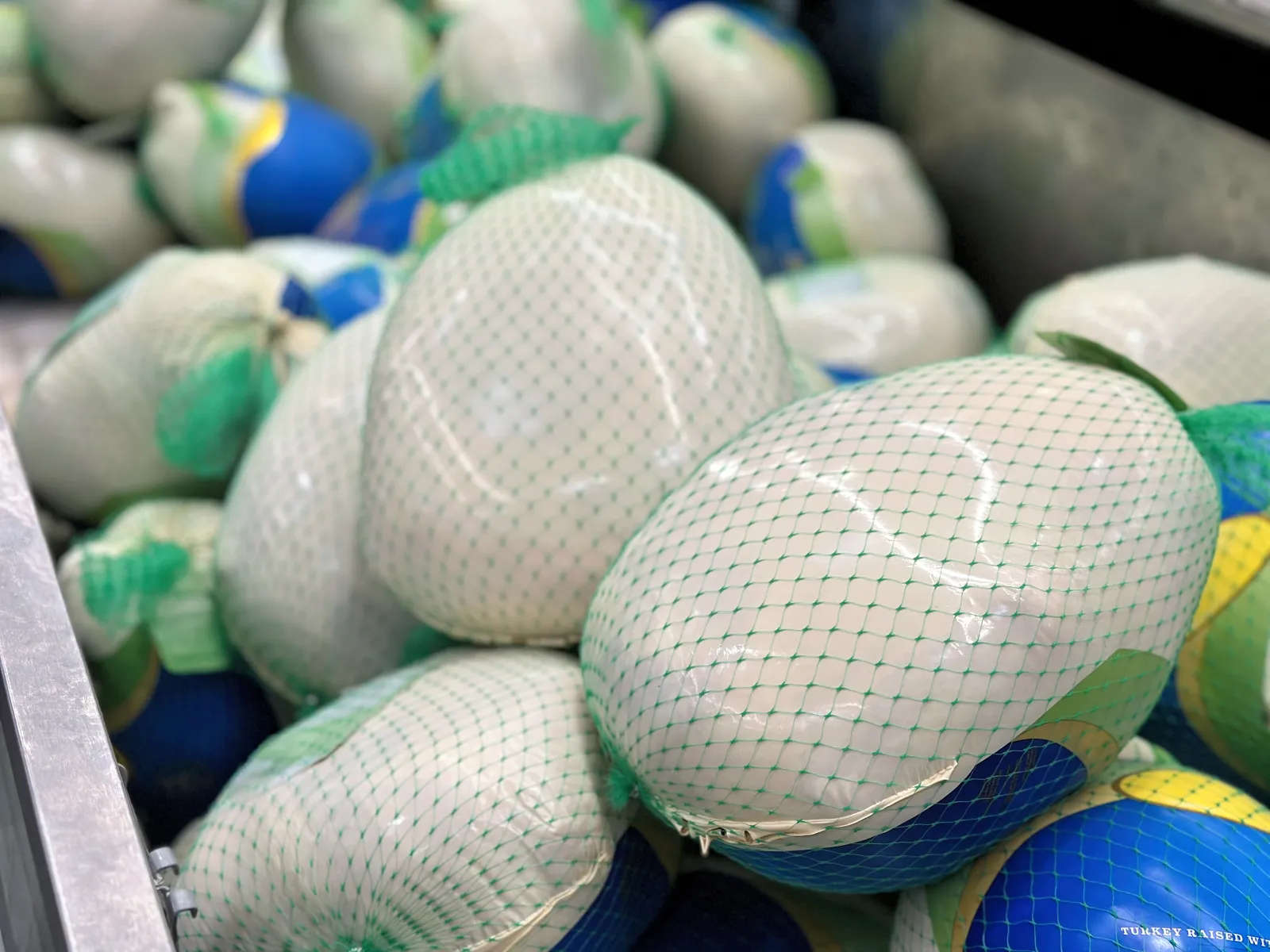
Health Officials Issue Warning Against Washing Thanksgiving Turkeys
Americans preparing for the holiday season face a strict warning from federal health authorities regarding a common food preparation habit. Health officials have encouraged Americans to not rinse their raw turkeys once it is defrosted. While many home cooks believe that washing poultry removes harmful substances before cooking, public health agencies explain that the practice actually creates a severe risk of foodborne illness by spreading pathogens around the kitchen environment.
The US Centers for Disease Control and Prevention states that washing raw turkey can spread germs to other food. Federal agencies have recommended not washing turkey or chicken since 2005. Despite these long-standing warnings, many households continue the habit passed down through generations, unaware of the invisible contamination spreading through water droplets splashing from the kitchen sink.
The Danger of Bacteria Spread in the Kitchen
Raw poultry is frequently contaminated with dangerous microorganisms that can cause severe gastrointestinal illness. Raw turkeys can carry bacteria including Salmonella and clostridium perfringens. When a home cook places a heavy bird under a running faucet, the force of the water creates microscopic droplets that travel much farther than the sink basin.
When you rinse a raw turkey in the sink, the water can cause these germs to spread throughout the kitchen on countertops and other surfaces. The United States Department of Agriculture and the CDC emphasize that these invisible bacteria settle on utensils, nearby food preparation areas, and ready-to-eat items like salad ingredients or dinner rolls, creating multiple vectors for cross-contamination.
Understanding the microbiology of foodborne pathogens helps explain why health agencies take such a firm stance on this issue. Bacteria cannot be seen with the naked eye, meaning a surface can look clean while harboring millions of harmful microorganisms. When water splashes from a raw bird, it acts as a vehicle, carrying these pathogens to areas of the kitchen where people prepare foods that will not undergo further cooking, such as fresh salads or desserts.
Why Traditional Recipes and Family Habits Persist
Many kitchen habits survive for decades simply because people repeat what they saw their parents and grandparents do. Old recipes and family cooking traditions may tell you to keep this practice going, but it can make you and your family sick. Poultry juice can spread in the kitchen and contaminate other foods, utensils, and countertops, according to the CDC.
Breaking these generational habits requires understanding the science of food safety. Historical cooking methods often lacked modern microbiological understanding of how pathogens travel via water vapor and liquid splashes. Public health educators spend significant time every November trying to reverse these ingrained habits before holiday meals begin.
Cultural traditions surrounding holiday meals are deeply personal, making it difficult for some cooks to accept that their trusted methods might be unsafe. However, food safety experts stress that culinary techniques must evolve alongside our understanding of foodborne illnesses. Adopting safer kitchen practices ensures that family gatherings remain focused on celebration rather than unexpected trips to the emergency room.
The Limitations of Kitchen Sanitization After Rinsing
Some cooks believe that as long as they clean the sink immediately after rinsing the bird, the procedure remains safe. However, research proves that standard home cleaning routines often miss microscopic bacterial residue. A study conducted by the USDA found that roughly 14% of those who rinsed their turkey and cleaned their sink still had some bacteria from the bird left over.
This statistic highlights the invisible danger lingering even after a seemingly thorough cleanup. If you decide to wash raw turkey, immediately clean and thoroughly sanitize the sink and surrounding area, though federal agencies advise skipping the wash entirely to eliminate the risk altogether.
Household cleaning products often require specific dwell times on surfaces to effectively kill pathogens, a step that busy holiday cooks frequently overlook. Rushing through kitchen cleanup leaves windows of opportunity for bacteria to survive on sponges, dish towels, and countertops. Eliminating the washing step removes the need for frantic sanitization of distant kitchen zones.
Safe Alternatives for Preparing Your Holiday Poultry
Home cooks looking for a reliable way to prepare the surface of the bird without spreading germs have simple, safe alternatives available. Instead of rinsing the raw turkey, it is best to dry it out with paper towels that can be easily thrown away. Patting the skin dry with disposable towels absorbs excess moisture, which actually helps achieve a crispier skin texture during roasting without splashing contaminated water.
Personal hygiene remains the primary defense against food poisoning during holiday meal preparation. Washing your hands with soap and water after handling a raw turkey is also recommended to curb the spread of bacteria. Handwashing should last for at least twenty seconds using warm water and soap before touching other kitchen items or food ingredients.
Using disposable paper towels instead of reusable cloth dish towels prevents the accidental transfer of bacteria to other laundry items or hands later in the day. Once the turkey is dried and seasoned, cooks should immediately dispose of the paper towels in a secure trash bin. Thorough handwashing immediately follows this process to maintain a sterile preparation zone.
Proper Methods for Defrosting Your Holiday Turkey
Before any cooking or surface preparation can begin, a frozen bird must thaw completely through safe temperature control methods. The USDA has also provided guidelines on how long it will take to properly defrost a frozen turkey before Thanksgiving. Depending on the weight of the turkey, defrosting can either be done in the fridge, in cold water, or the microwave.
Refrigerator thawing requires careful planning because it takes approximately twenty-four hours for every four to five pounds of weight. Cold water thawing moves faster, requiring thirty minutes per pound while keeping the bird in a leak-proof bag submerged in cold tap water changed every thirty minutes. Microwave defrosting demands immediate cooking once the thawing cycle finishes to prevent bacterial multiplication in parts of the bird that begin to warm up during the process.
Proper temperature management prevents the outer layers of the turkey from entering the danger zone where bacteria multiply rapidly. Planning ahead for the multi-day refrigerator thaw remains the gold standard for food safety professionals. Adhering strictly to these timing and temperature rules guarantees a safe centerpiece for any festive dining table.