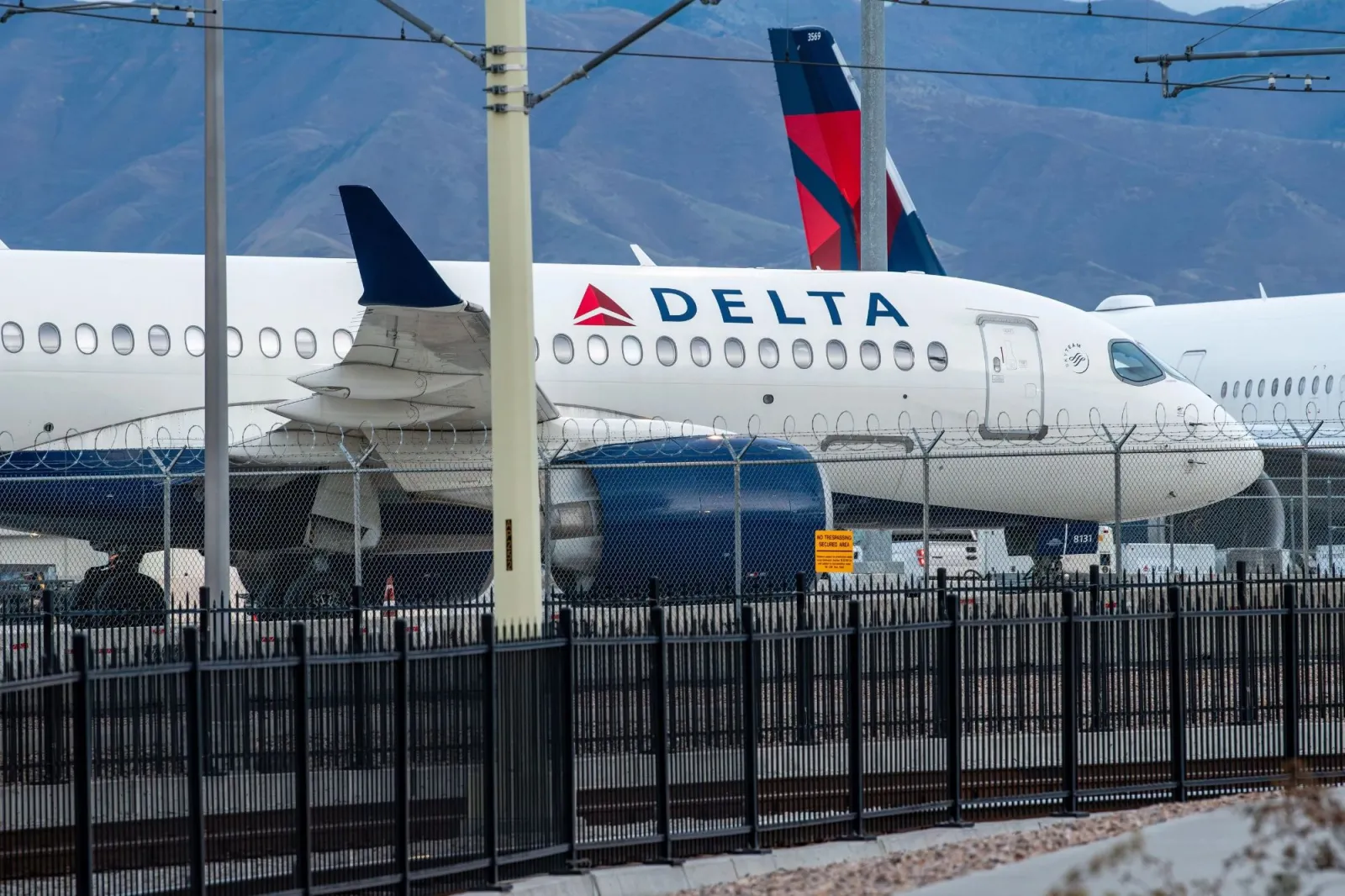
Delta Air Lines Tech Outage Disrupts Thanksgiving Travel
Air travel across the United States faced severe disruptions as Delta Air Lines experienced a sudden technology outage that affected holiday itineraries. At least 3,500 flights were delayed nationwide, throwing Thanksgiving travel plans into jeopardy for thousands of passengers. The Federal Aviation Administration reported that the airline suffered a critical failure in its automated weight and balance system for flights heading to Hartsfield-Jackson Atlanta International Airport.
The system failure triggered immediate operational hurdles on a Sunday morning, forcing aviation officials to issue a morning ground stop. This restriction was later reduced to a ground delay program lasting until 1pm EST. Because Atlanta serves as a massive operational hub, the disruption created an immediate ripple effect across the national airspace system. Airports in other major cities, including LaGuardia in New York, experienced cascading delays as connecting aircraft and flight crews fell out of position.
What Caused the Delta Air Lines System Failure?
The root cause of the widespread disruption centered on the automated weight and balance system used by Delta Air Lines. This specialized software calculates the precise distribution of weight, cargo, fuel, and passengers on an aircraft before takeoff. Proper weight and balance calculations remain a fundamental safety requirement in commercial aviation to ensure proper aircraft handling and stability during flight.
When the automation failed for inbound and outbound flights at Hartsfield-Jackson Atlanta International Airport, normal departure procedures ground to a halt. Aviation regulations prohibit aircraft from departing without verified weight and crew calculations. The technical fault meant that standard digital channels could no longer transmit this vital safety data automatically to flight decks.
How Delta Workers Handled Manual Workarounds
To keep the remaining schedule moving, Delta workers had to abandon digital automation and resort to manual calculations. Staff on the ground worked to find manual workarounds to calculate weight and balance data for departing aircraft. This labor-intensive process required personnel to verify numbers by hand, dramatically increasing the time needed to turn around an airplane at the gate.
The average delay reported across the network reached 57 minutes as staff grappled with the manual procedures. In a statement reported by Atlanta News First, the airline explained the operational adjustments. Delta teams are using manual workarounds this morning to safely get flights departed while work continues to restore automation, the airline said.
The company also addressed coordination with federal regulators to manage the congestion. We are working with our air traffic control counterparts to strategically enact programs to protect airport gates and tarmac areas from congestion at our Atlanta hub, the statement continued. The carrier expressed gratitude to affected travelers and employees, adding, We thank our customers for their patience and our people for their professionalism.
Impact on Thanksgiving Travel and Major Airports
The timing of the tech outage could hardly have been worse for the traveling public. Occurring during the busy Thanksgiving travel period, the disruption impacted millions of people trying to reach family destinations across the United States. Major airports experienced crowded terminals, long security lines, and frustrated passengers watching departure boards update with lengthy delay notices.
Hartsfield-Jackson Atlanta International Airport bore the brunt of the issue due to its status as the primary hub for Delta Air Lines. The ground stop and subsequent ground delay programs were specifically designed to prevent the airport from running out of available gates. When flights cannot depart on time, arriving aircraft must hold on tarmacs, which quickly exhausts gate space and paralyzes the entire facility.
Secondary hubs and focus cities also felt the strain. The ripple effect meant flights at airports including LaGuardia, New York, faced rolling delays as inbound aircraft failed to arrive on schedule. Business travelers and holiday vacationers alike found their tightly connected itineraries broken by the cascading schedule adjustments.
Next Steps for Affected Passengers and Operations
As technical teams worked to restore full automation to the weight and balance systems, aviation analysts monitored the timeline for recovery. Restoring complex airline IT infrastructure requires rigorous testing to ensure safety compliance before returning to automated workflows. Passengers booked on affected routes faced the prospect of missed connections and rescheduled itineraries well into the evening hours.
Airlines typically advise travelers caught in such disruptions to monitor mobile applications for real-time flight updates. Travelers dealing with extended delays can check with gate agents regarding rebooking options or meal vouchers depending on the length of their wait. Federal aviation regulations outline specific carrier obligations when technical faults cause major schedule irregularities.
The incident highlights the heavy reliance modern commercial aviation places on complex digital systems. While manual backups provide a safety net to keep aircraft moving, they cannot match the speed of automated processing. Observers will look to see how Delta reinforces its digital infrastructure to prevent similar operational bottlenecks during future peak travel periods.