Xiaomi is reportedly developing a new wide-screen smartphone with an unusual display design, following the introduction of similar devices from Huawei and other Chinese manufacturers.
According to well-known Chinese tipster Digital Chat Station, an Android smartphone manufacturer is currently testing a wide-screen candybar phone. Although the tipster did not directly identify the company, an emoji in the Weibo post suggests that Xiaomi could be behind the device.
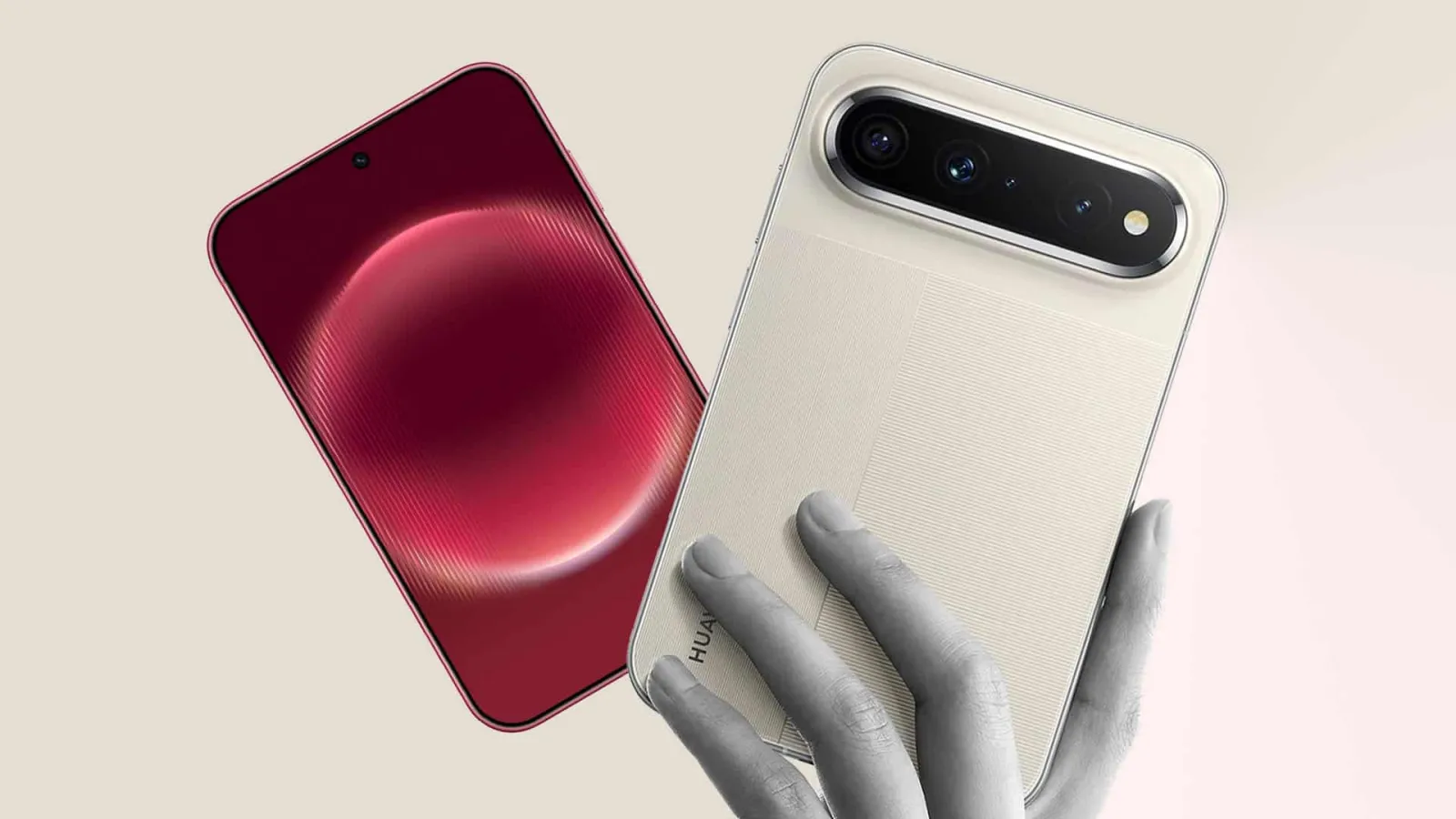
The upcoming phone is expected to feature a wider display with a 16:10 or 16:9 aspect ratio, similar to Huawei's Pura X View.
Unlike foldable smartphones, the device will reportedly use a conventional, non-folding design.
Why a Wider Display Matters for Xiaomi
Smartphone screens have been getting taller for several years, driven by the race for higher screen-to-body ratios and larger pixel counts. A 16:10 or 16:9 ratio flips that trend, offering more horizontal real-estate without increasing overall height. For users who watch videos, browse the web or use split-screen multitasking, a wider panel can reduce scrolling and improve media consumption.
For Xiaomi, a company that has built its reputation on offering high-spec devices at aggressive price points, entering the wide-screen segment could differentiate its portfolio from rivals that remain focused on the traditional 19.5:9 or 20:9 tall formats.
Industry analysts note that a shift to wider screens may also align with emerging trends in content creation, where creators edit video on phones and benefit from a broader canvas. If Xiaomi can pair the wider panel with a side-mounted fingerprint scanner, as the leak suggests, the user experience could feel more natural than the under-display sensors that sometimes struggle with speed and accuracy.
What the Leak Reveals About the Device
The tipster says the smartphone will feature a side-mounted fingerprint scanner rather than an under-display sensor. Side scanners have been used by several manufacturers because they can be faster and less power-hungry.
The wider screen could give the device a noticeably different appearance from conventional smartphones, which generally feature taller and narrower displays. A 16:10 or 16:9 aspect ratio would make the phone similar in design to Huawei's Pura X View, which debuted earlier this year.
The leak does not include the device's display size, processor, camera specifications, battery capacity or launch date. Xiaomi has not officially confirmed that it is developing such a smartphone.
How Other Brands Are Pursuing Wide-Screen Designs
Xiaomi is not the only smartphone manufacturer reportedly exploring wider displays. Oppo is also rumored to be developing a wide-screen phone under its Reno lineup. Earlier leaks suggest the Oppo device could feature a 6.35-inch display, an 8,000 mAh battery, dual 200 MP rear cameras and MediaTek's Dimensity 9600M chipset.
Doogee and Coolpad have already introduced or previewed wide-screen smartphones of their own, showing that the concept is gaining traction among lower-cost brands.
Huawei is reportedly preparing another wide-screen device under its upcoming Osta sub-brand, with earlier reports indicating a more affordable model than the Pura X View.
These developments suggest that more Android manufacturers are exploring wider smartphone designs instead of conventional tall displays.
Technical Challenges and Market Risks
Wider screens present engineering challenges. The chassis must accommodate a broader glass panel while maintaining structural rigidity. Battery placement becomes trickier because a wider phone may have less internal volume for a large cell, potentially affecting endurance.
Software adaptation is also required. Android's UI scaling and app compatibility have been optimized for taller ratios; developers may need to adjust layouts to avoid stretched elements on a 16:10 or 16:9 screen.
From a market perspective, consumers have grown accustomed to tall phones that fit easily in pockets. A wider device may feel bulkier, which could limit appeal in markets where pocketability is prized.
Potential Impact on Xiaomi's Product Roadmap
If Xiaomi proceeds to production, the wide-screen phone could sit alongside its Mi and Redmi series, perhaps as a premium offering aimed at media-heavy users. The device could also act as a testbed for future design language, influencing the shape of upcoming flagship models.
Supply-chain partners would need to source larger OLED panels, which are currently less common than the standard 19.5:9 panels used by most manufacturers. This could affect production timelines and cost structures.
Retailers may need to adjust shelf space and marketing materials to highlight the device's distinctive shape, especially in regions where Xiaomi's brand is already strong.
What to Watch for Next
The leak places the phone in a testing stage. The next observable steps would be a formal announcement, a product teaser video, or a listing on Xiaomi's official website. Industry watchers will also monitor regulatory filings in China, which often reveal device specifications months before launch.
Consumers should keep an eye on Xiaomi's official channels for any confirmation. Until then, the phone remains a rumor, albeit one supported by a tipster with a track record of accurate leaks.
Should the device reach market, its price point, launch regions and carrier partnerships will determine how widely it is adopted. Analysts will compare its performance against Huawei's Pura X View and Oppo's rumored Reno variant to gauge the commercial viability of the wide-screen approach.