Artificial intelligence-powered surveillance cameras in Punjab identified 17,946 cases of children outside schools during academic hours in October 2026, according to monitoring figures from the Punjab Safe Cities Authority (PSCA), cited by sources in the school education department.
What the AI-Based Child Protection System Detected
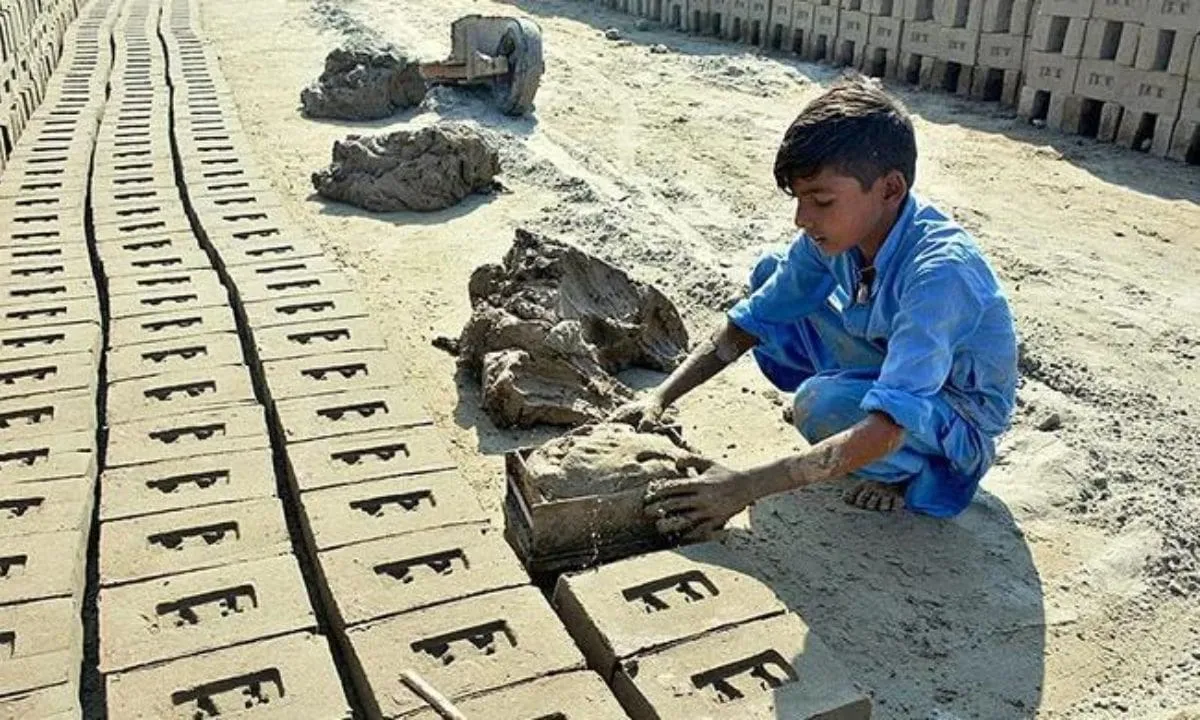
The October data broke down into three categories. First, 12,378 children were seen in public places without school uniforms during school hours. Second, 4,516 uniformed children were observed outside school premises. Third, the system flagged 1,052 suspected child-labour incidents where children appeared to be working in shops, factories or markets. All figures are potential cases that require verification by the relevant departments.
How the System Works
PSCA launched the AI-based Child Protection System in September 2026. The technology processes live feeds from existing city-wide surveillance cameras, applying facial-recognition and clothing-pattern algorithms to distinguish children in uniform from those without. The software runs a daily monitoring window from 9:30 am to 12:30 pm, the period when most schools are in session. When a match is found, the system generates an alert that is sent to the school education department for follow-up.
Why the Numbers Matter: Context from Recent Census and Survey Data
The Punjab Census Report 2023 recorded 9,600,164 children aged five to 16 out of school in the province, representing 26.98 percent of the school-age population. Of those, 4.77 million were boys and 4.83 million were girls. About 6.44 million children had never attended school, while 3.16 million had enrolled earlier and later dropped out.
The Household Integrated Economic Survey 2024-25 put Punjab's out-of-school rate at 21 percent, unchanged from 2018-19. Rural areas show a higher gap: 31.53 percent of children are out of school compared with 19.81 percent in urban areas. Rural girls face the steepest challenge, with 33.42 percent not attending school.
Underlying Causes of Out-of-School Children
Education experts point to a mix of poverty, child labour, inadequate school facilities, long distances to schools, insufficient classrooms and limited opportunities for older children as drivers of low enrolment and high dropout rates. These factors intersect with broader economic pressures, such as rising living costs and household unemployment.
Government Initiatives Aimed at Reducing the Gap
The provincial government has responded with several programmes. Chief Minister Maryam Nawaz Sharif was briefed last year that about 1.1 million out-of-school children had been enrolled through the Punjab Education Foundation, which offers subsidies and vouchers to private-run schools.
School outsourcing and public-private partnerships have been pursued to expand capacity, though the approach has drawn criticism from teachers' unions. The literacy and non-formal basic education department has established 20,273 informal schools, serving more than 593,000 children across the province. An accelerated learning programme provides flexible schedules for older children to complete basic education.
Teachers' Union Perspective
Punjab Teachers Union General Secretary Rana Liaqat Ali argued that unemployment, poverty, the rising cost of living and the outsourcing of education are the main reasons children remain out of school. He warned that outsourcing has closed the door of learning for many poor families, worsening the problem in recent years.
What Happens After an AI Alert?
When PSCA's system flags a child, the alert is routed to the nearest school administration and the district education office. Officials are instructed to verify the child's enrolment status, engage with the family, and, if necessary, coordinate with child-labour enforcement agencies. Verification is essential because the AI can misclassify adults or older teenagers, and because privacy safeguards require that any intervention be based on confirmed data.
Potential Impact on Policy and Practice
If verification confirms a substantial number of unregistered or child-labour cases, the data could drive policy adjustments, such as expanding informal school networks or tightening enforcement of child-labour laws. The system also offers a real-time feedback loop for assessing the effectiveness of current enrolment drives.
What to Watch for Next
The next monthly report from PSCA is expected in November 2026. Observers will look for trends in the proportion of uniformed versus non-uniformed children, changes in the number of suspected child-labour alerts, and any shift in geographic distribution of cases. The education department has indicated that it will publish verification outcomes after each monitoring cycle.
Stakeholders, including NGOs, international development partners and local community groups, are urged to use the data to target outreach, provide transport solutions, or set up temporary learning centres in hotspots identified by the AI system.
In the meantime, the provincial government continues to promote its existing programmes while exploring additional measures such as mobile schooling units, scholarship schemes for girls in rural areas and stronger incentives for teachers to serve in remote schools.