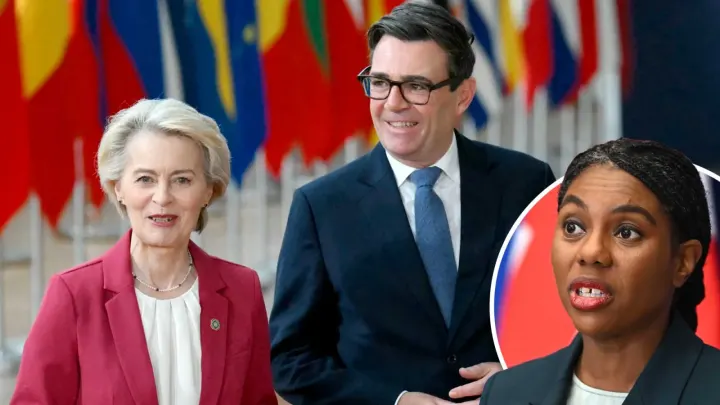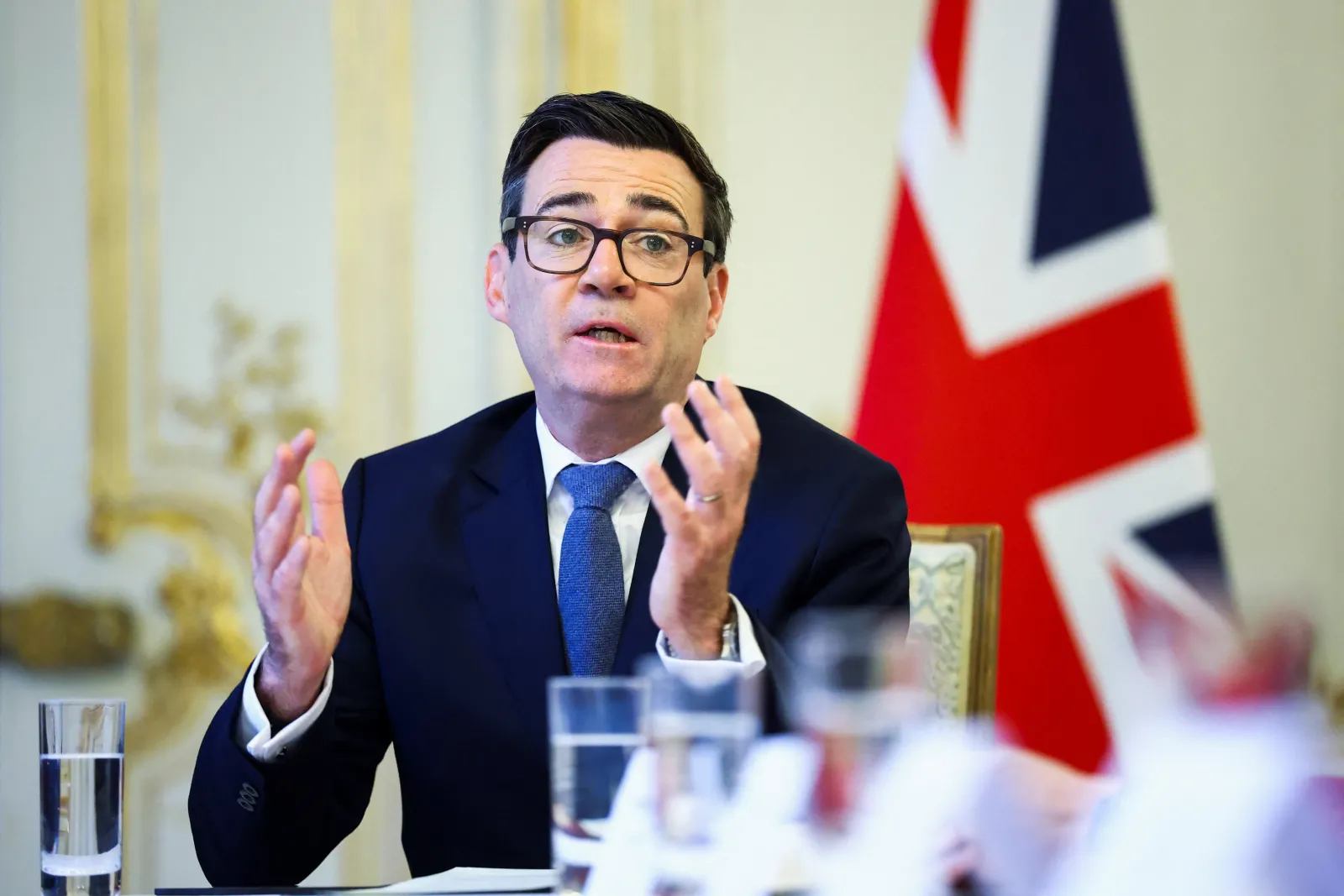
Prime Minister Burnham recently traveled to Brussels for a high-stakes summit aimed at resetting the United Kingdom relationship with the European Union. The diplomatic encounter quickly transformed into a challenging ordeal for the British leader, as European officials applied intense pressure during the final hours of negotiations. Observers noted that the entire process exposed deep vulnerabilities in how the administration approaches international diplomacy and regulatory alignment.
The diplomatic maneuvering in Brussels highlights the complex realities facing the nation as political leaders revisit post-Brexit arrangements. Critics argue that the administration is quietly dismantling past efforts to establish complete regulatory independence. Understanding the mechanics of this summit requires looking closely at the sequence of events, the specific concessions made by British negotiators, and the reactions of various political factions at home.
What Happened at the Brussels Brexit Reset Summit?
The diplomatic engagement in Brussels began under familiar pressures, featuring a late push by European officials to secure advantageous terms before the summit concluded. Reports from the negotiating rooms indicated that European counterparts used eleventh-hour demands to put the British delegation in a difficult position. Sir Keir Starmer had already sold off our fishing waters in 2025, to unlock this so-called deal that will see the UK align to EU rules on agriculture, and pay for the pleasure. This dynamic left the Prime Minister grappling with severe constraints while attempting to project confidence and control to the domestic audience.
Rather than standing firm against these late tactics, the administration expanded the scope of the agreement significantly. Burnham extended the scope of that deal to vast swathes of goods and threw in 100,000 European under-32s coming to swamp Britain's struggling universities and broken youth job market. This approach bypassed traditional democratic scrutiny, ignoring the Labour manifesto commitment not to rejoin the Single Market and all its red tape. This simply does it by the back door without so much as asking a single voter.
How European Officials Hijacked the Student Fee Negotiations
Just as the outline of an agreement seemed settled, European negotiators introduced a disruptive condition regarding student mobility and higher education financing. The EU insisted that their students coming to the UK must be given hugely discounted fees, and until that is agreed, all other parts of the deal would be stalled. This unexpected hurdle threatened to derail the entire proceeding, forcing hurried consultations in the middle of the night.
To manage the impasse, a six-month window to haggle over the price was set in the midnight hour, and Burnham got his Brussels love-in after all. When asked about these unresolved elements, the Prime Minister offered a complex defense of the timeline. He stated that there are firm dates for the implementation for the changes to the different policy areas in the deal and there will be further discussions out of it, as referenced in the text, around various issues of which tuition is one, but that is a further discussion that has to take place after this.
A careful reading of the official text reveals a stark mismatch with the official narrative. Those so-called firm dates do not exist, merely aims with vague years of that hope for implementation included. Furthermore, nowhere does it say the rest of the deal goes ahead if no agreement is reached on tuition fees. Negotiating teams will now spend the next six months attempting to untangle these conflicting priorities while domestic critics scrutinize every word.
The Symbolic Menu and Broader Diplomatic Realities
The atmosphere inside the summit room was matched by pointed symbolism during official hospitality events. Sparing his blushes at the press conference by swerving all questions on the 11th-hour fees hijacking, a simple look at what they served Burnham for lunch shows just how much they are enjoying manipulating the manipulator. The menu featured creamed soup to start, sole plucked from our North Sea reserves for a fish and chips main, and Brussels waffle for pud. Commentators were quick to point out the irony, noting that European hosts had creamed him for more cash, battered our fish stocks for another 15 years, and wrapped it up in what the EU does best.
This culinary flourish underscored a broader sentiment among European diplomats who appeared unimpressed by the administration framing of the negotiations. While political rhetoric at home attempts to present these arrangements as a strategic victory, European counterparts demonstrated a clear upper hand in shaping the practical outcomes. The contrast between official spin and documented text continues to fuel debate among political analysts and citizens alike.
How the Domestic Political Landscape is Responding
The fallout from the Brussels summit is already reverberating across the domestic political sphere, stirring memories of past constitutional battles. It is not just the Remainiacs giving me deja vu this week as the battle for Brexit 2.0 heats up. Various political figures and legacy campaign organizations are reorganizing as the debate over future alignment intensifies. The usual suspects are coming out of the woodwork as fully fledged Re-Joiners now, but other old tunes are being played on the Brexit side too.
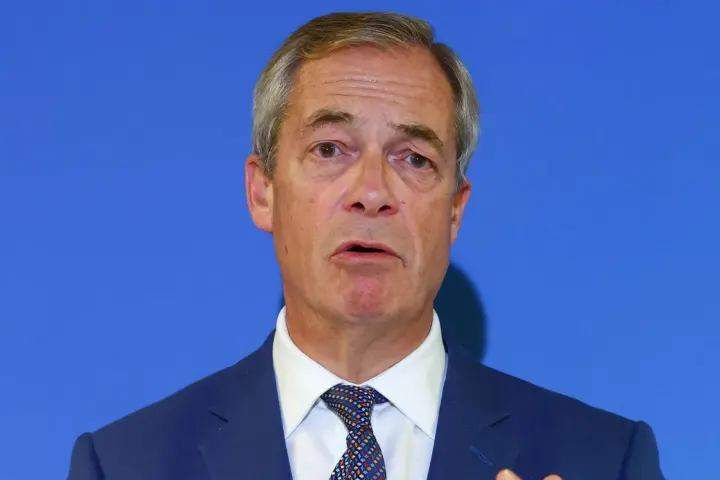
With Vote Leave getting the gang back together as Stay Out, old battles die hard. Prominent figures within the broader Eurosceptic movement are charting different courses for this renewed political struggle. Nigel Farage was quick out of the gate, telling our Jack Elsom he will not be getting involved in this, branding it a Tory front group before adding that there will be other campaigns. Meanwhile, organizational shifts continue across different factions, with the rival Leave.EU group, who spent as much time attacking Vote Leave as it did attacking the other side back in 2016, rebranding as Enough! with a focus on immigration.
With Brexit in peril and its enemies having spent a decade campaigning to reverse the outcome of the historic referendum, tensions within the leave-supporting movement could prove costly. The original referendum result was achieved by narrow margins, and current political actors warn that the stakes are even higher today. Observers emphasize that this is no time for a civil war in the Brexit camp, urging unified focus as policymakers grapple with the long-term consequences of the recent Brussels agreements.